What changed at AT&T Stadium

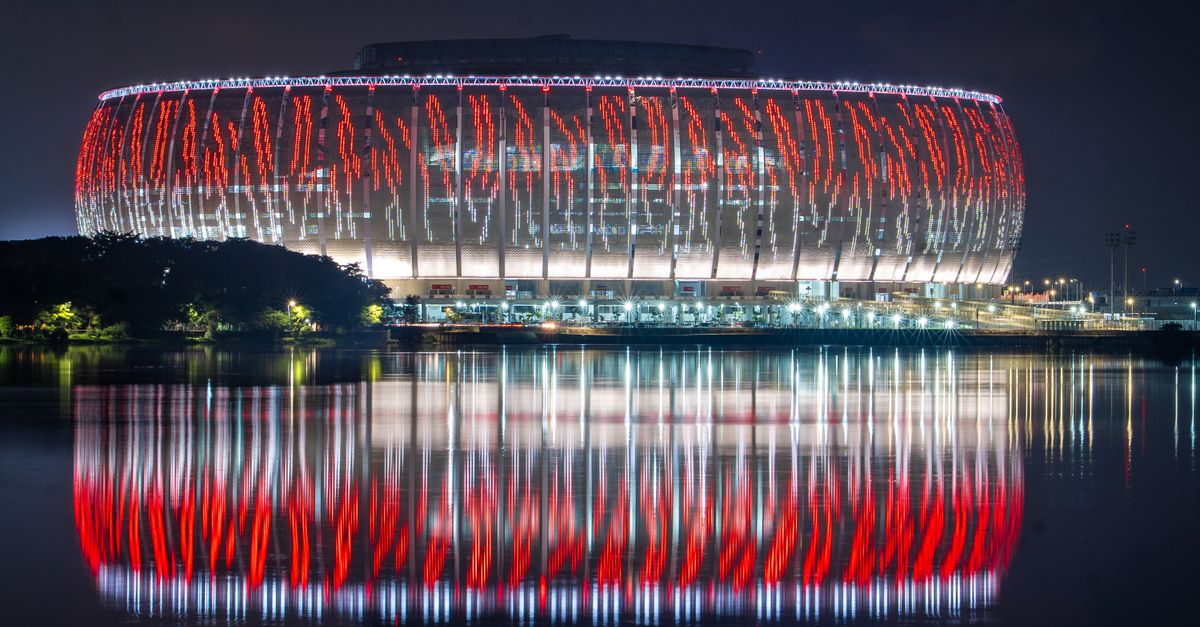
Dallas Cowboys owner Jerry Jones said the organization is giving serious thought to tinting the large west-facing glass panels at AT&T Stadium, remarks he made during a weekend training-camp interview with KDFW (FOX 4) reporters. He framed the comment as still preliminary, noting the gap between considering a change and implementing one, but added that he likes some of the effects of the tinting used during the 2026 FIFA World Cup at the venue, which was rebranded Dallas Stadium for the tournament. The shift marks a notable reversal after more than 15 years of operation without a permanent glare remedy for NFL games.
Why the World Cup mattered
FIFA, which oversaw the venue during the World Cup, directed that curtains be closed for at least one match, a Japan versus Sweden fixture, prompting the use of temporary tinting and, on occasion, black curtains on the west side. Jones had previously resisted calls for curtains or other permanent fixtures during Cowboys games, arguing that natural light was part of the stadium's design and that both teams faced identical conditions. Curtains have been used historically for concerts and other non-football events, but never during NFL play under his direction. The World Cup experience, by Jones's account, left a positive impression that has reopened the question for regular-season use.
The glare problem in context
The stadium's east-west orientation allows low autumn sun angles to stream through the massive end-zone glass panels during many late-afternoon games, periodically impairing players' ability to track the ball. In a 34-6 loss to the Philadelphia Eagles on November 10, 2024, Cowboys wide receiver CeeDee Lamb said he could not see a key pass, citing the sun. At a Thanksgiving game last year, receiver George Pickens was seen shielding his eyes after missing a similar throw, telling reporters afterward that the sun was beating in his eyes. Both clubs have long complained about visibility, though Jones had previously framed the shared conditions as part of the venue's identity.
What remains uncertain
No final decision has been announced, and any permanent tinting would have to balance aesthetics, cost, and Jones's stated preference for an open, outdoor-like feel inside the $1.2 billion building. Jones acknowledged that the sun's angle shifts through the calendar, complicating the assessment of which fixtures would actually benefit. The team's stated next step is further internal review, with no timeline provided for installation or for any test deployment during the upcoming NFL season.
PLACES IN THIS STORY
Explore the destinations behind this report
United States
Dallas
Browse travel guides, places to stay, attractions and local food in Dallas.
Explore Dallas →Dallas Travel Guide: Planning Tips, Costs and Things to DoShare this article