Q2 2026 results show broad-based growth

The Coca-Cola Company released its second-quarter 2026 results on July 28, reporting net revenues of $13.4 billion, up 7% year over year, with organic revenues (non-GAAP) growing 6%. The increase was driven by a 4% rise in concentrate sales and a 2% improvement in price/mix. Operating margin reached 34.9%, up from 34.1% a year earlier, while the comparable operating margin (non-GAAP) was 35.6% versus 34.7% previously. Earnings per share rose 16% to $1.03, and comparable EPS (non-GAAP) climbed 11% to $0.97, benefiting from a four-point currency tailwind. Year-to-date cash flow from operations totaled $7.5 billion, with free cash flow (non-GAAP) at $6.9 billion.
FIFA World Cup campaign delivers record engagement
Coca-Cola's global FIFA World Cup campaign spanned more than 180 markets and contributed to a 5% volume gain for Trademark Coca-Cola and an 8% rise for Powerade during the quarter. Before the tournament, the FIFA World Cup Trophy Tour made more than 70 stops across about 30 markets, reaching roughly 700,000 fans. Experiential activations and retail programs connected with consumers through more than 20 million outlets, while digital activations generated over 60 billion impressions and more than 9 billion views. Coca-Cola became the top brand by share of voice during the tournament, with Powerade posting record engagement. Connected packaging engaged more than 80 million consumers and collected over 25 million first-party data records. Reporting on the results, The Motley Fool noted that the 5% Trademark Coca-Cola volume growth was the strongest in 17 years excluding the COVID-19 recovery, and that the company raised its full-year guidance alongside the report.
Innovation hubs and new products target local markets
Coca-Cola is establishing innovation hubs across its operating units to translate consumer insights into locally relevant products. One launch, Coca-Cola Zero Zero, features redesigned packaging aimed at consumers seeking zero-sugar options without sacrificing taste; after positive European reception, it is set to expand into Asia Pacific and Latin America. In China, the company adapted its U.S.-based Sprite+Tea innovation with flavors tailored to local palates. BODYARMOR FIT is being introduced as a zero-sugar sparkling sports drink combining electrolytes and caffeine for metabolism support. Overall innovation contributed 5% volume growth in the quarter, as the company focused on accelerating speed-to-market across brands and regions.
Mini-can strategy addresses value-seeking consumers
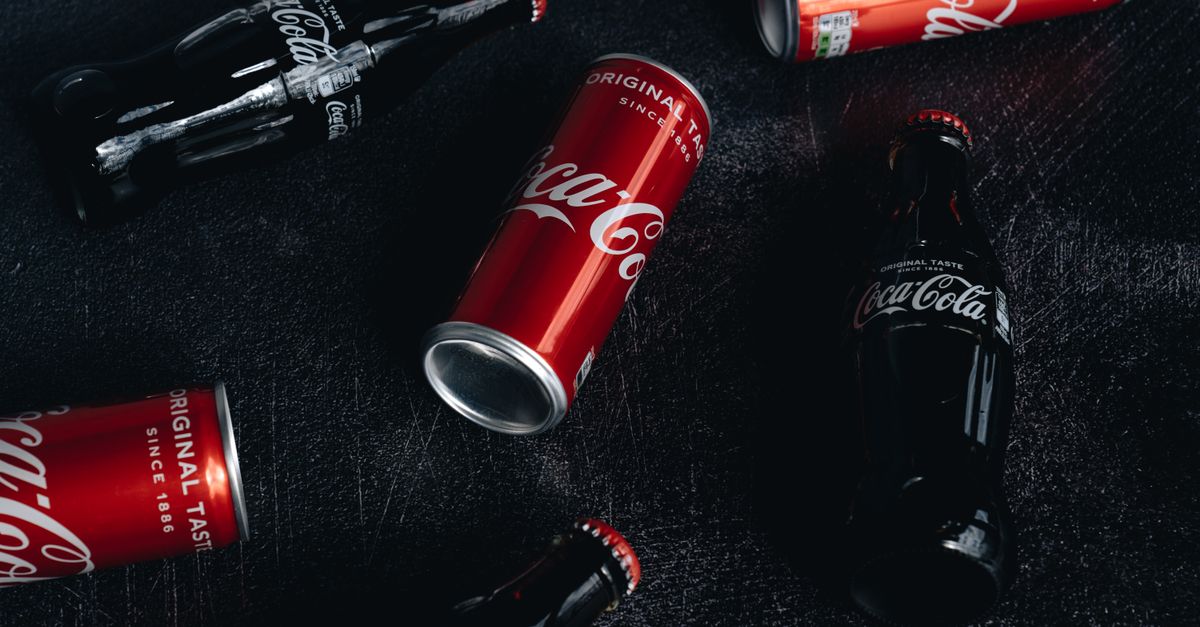
On the Q2 earnings call, CEO Henrique Braun said lower-income customers remain under pressure but are seeking ways to buy the drinks they love, and that the company has made that easier through mini-cans sold as singles at the lowest entry price. The compact-portions approach mirrors moves by Mondelez, Hershey, and Boston Beer, which have introduced smaller packages at more accessible price points. Smaller packs often offer less value per unit but make treats affordable to more people and encourage smaller portions, a pattern the latest earnings calls suggest is likely to remain common on store shelves for the foreseeable future.
Berkshire's gains, India expansion, and WHO criticism
Berkshire Hathaway's 400 million Coca-Cola shares, accumulated since the late 1980s and completed in 1994, remain the third-largest position in its portfolio at nearly 10% of capital. With Coca-Cola shares up nearly 29% year-to-date through July 29, Berkshire has booked over $7.9 billion in gains and collected $424 million in dividends in the first six months of 2026; Greg Abel listed Coca-Cola among four core positions in his first letter to shareholders, citing expectations of multi-decade compounding. In India, Coca-Cola executives described the market as a key long-term growth engine during the June-quarter earnings cycle, alongside peers such as Mondelez, L'Oreal, Reckitt, Unilever, and Nestle, with plans to expand distribution and digital channels. Separately, the World Health Organization criticized eight corporations — Coca-Cola, PepsiCo, Mondelez, Kellogg's, Danone, Ferrero, Xignux, and Heartland Food Products Group — for filing 38% of 235 lawsuits between 2010 and 2025 that targeted health policies such as warning labels, junk-food taxes, and marketing restrictions. According to an international investigation by The Guardian with Lighthouse Reports, the cases produced nearly 600 cumulative years of legal delays, with about three-quarters ultimately lost by the corporations.
Share this article