Catch up on the essentials
- OpenAI’s launch of Businesses in ChatGPT beta establishes a direct operating channel between businesses and the platform’s discovery system.
- Insights cover the previous 28 days for online businesses, while low-volume activity may be withheld.
- Eligible US ecommerce and online-service businesses can launch a Business Agent that answers product questions using company-supplied information and guidelines.
Selected from this article · 2026-11-11
Read on for the full pictureVerified business data becomes commerce infrastructure
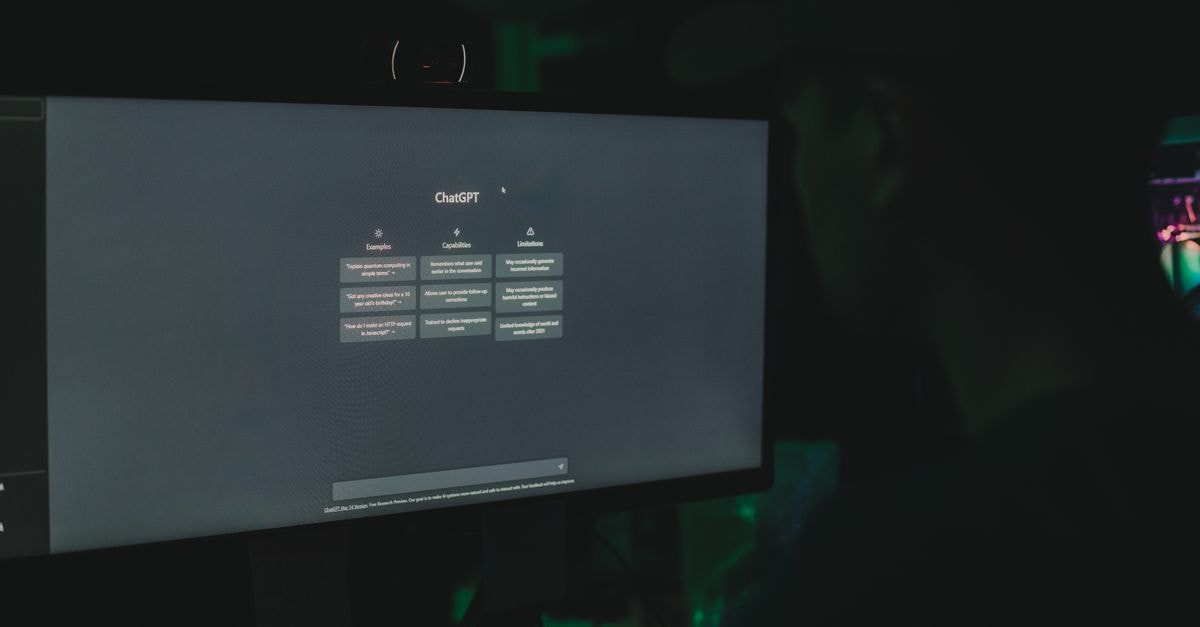
OpenAI’s launch of Businesses in ChatGPT beta establishes a direct operating channel between businesses and the platform’s discovery system. Eligible companies can claim a profile, update core information and, where supported, publish product feeds covering prices and availability. ChatGPT can still draw on other sources, so a verified profile does not give businesses complete control over how they appear in answers.
The implication is conditional but material: businesses may need to maintain structured information if they want visibility inside commercial AI services. OpenAI, in turn, can use current business-supplied data to support product comparisons and customer-facing agents. The reviewed reporting does not show that this mechanism produces higher placement, sales or attributable demand.
Business Hub offers limited measurement
Business Hub provides aggregated information about ChatGPT mentions, website clicks and common discovery topics. Insights cover the previous 28 days for online businesses, while low-volume activity may be withheld. A mention must reference the business’s website; naming the brand alone does not qualify.
These metrics offer an initial way for businesses to evaluate their presence, but they do not establish whether exposure generated qualified demand or a completed transaction. OpenAI says businesses do not receive users’ chats or Business Agent conversations.
Branded agents connect discovery to action
Eligible US ecommerce and online-service businesses can launch a Business Agent that answers product questions using company-supplied information and guidelines. Conversations are labeled and kept separate from ChatGPT’s own answers. Agents must disclose that they are AI, keep prices and availability accurate, avoid pressure tactics and obtain explicit approval for purchases, bookings, form submissions or personal-data sharing.
OpenAI is also building agent payments with Visa, although buyers are currently directed to the brand’s own website. The same agent can be sponsored as a ChatGPT Ads destination, making the launch an extension of OpenAI’s advertising business rather than merely a profile-management tool.
Eligibility limits the initial deployment
The beta is not yet a uniform service for every business. The reported experience included waitlists, unavailable categories and support requests even for organizations with US operations. Availability depends on location, business type and supported verification, while local stores and restaurants can currently claim only existing US listings. Shopify merchants can connect stores through Shopify admin or Business Hub, but a Shopify store is not required to claim a business.
OpenAI says Businesses in ChatGPT is aimed at the 1.2 billion people it says use ChatGPT each week. That is the platform’s stated audience, not evidence of 1.2 billion Business Hub users. Existing OpenAI Enterprise customers and advertisers can work directly with an OpenAI representative.
The next observable test is whether businesses with verified profiles and eligible agents receive more website clicks or measurable commercial outcomes without losing independent recommendations in ChatGPT.
Industry and product implications
Industry / product | Disclosed fact | Interpretation & stage | Verification signal | Main risk |
|---|---|---|---|---|
Shopify integrations for Businesses in ChatGPT (upstream) | Shopify merchants can connect a store through Shopify admin or Business Hub, review automatically shared catalog details and preview and publish an agent. [4] | Disclosed fact; operating. Store and catalog synchronization supplies product information for a business profile and agent. | Subsequent reporting may disclose additional integration coverage or measurable merchant adoption. | A Shopify store is not required to claim a business, so the integration does not describe the full addressable business population. |
Share this article