Catch up on the essentials
- Meta on Thursday released an open-weight version of its Muse Spark artificial intelligence model aimed at coding and AI agents, broadening developer access beyond proprietary systems.
- CEO Mark Zuckerberg has argued that advanced AI capability should not be concentrated among a small number of companies, a position the open-weight release operationalizes.
- Open-weight availability gives enterprises greater control over their data and customization paths, but the model still demands substantial compute and engineering capacity to operate effectively.
Selected from this article · 2026-10-16
Read on for the full pictureMeta expands open-weight model access
Meta on Thursday released an open-weight version of its Muse Spark artificial intelligence model aimed at coding and AI agents, broadening developer access beyond proprietary systems. Unlike closed models, open-weight releases expose trained parameters, letting outside teams download and adapt the underlying weights to their own workloads.
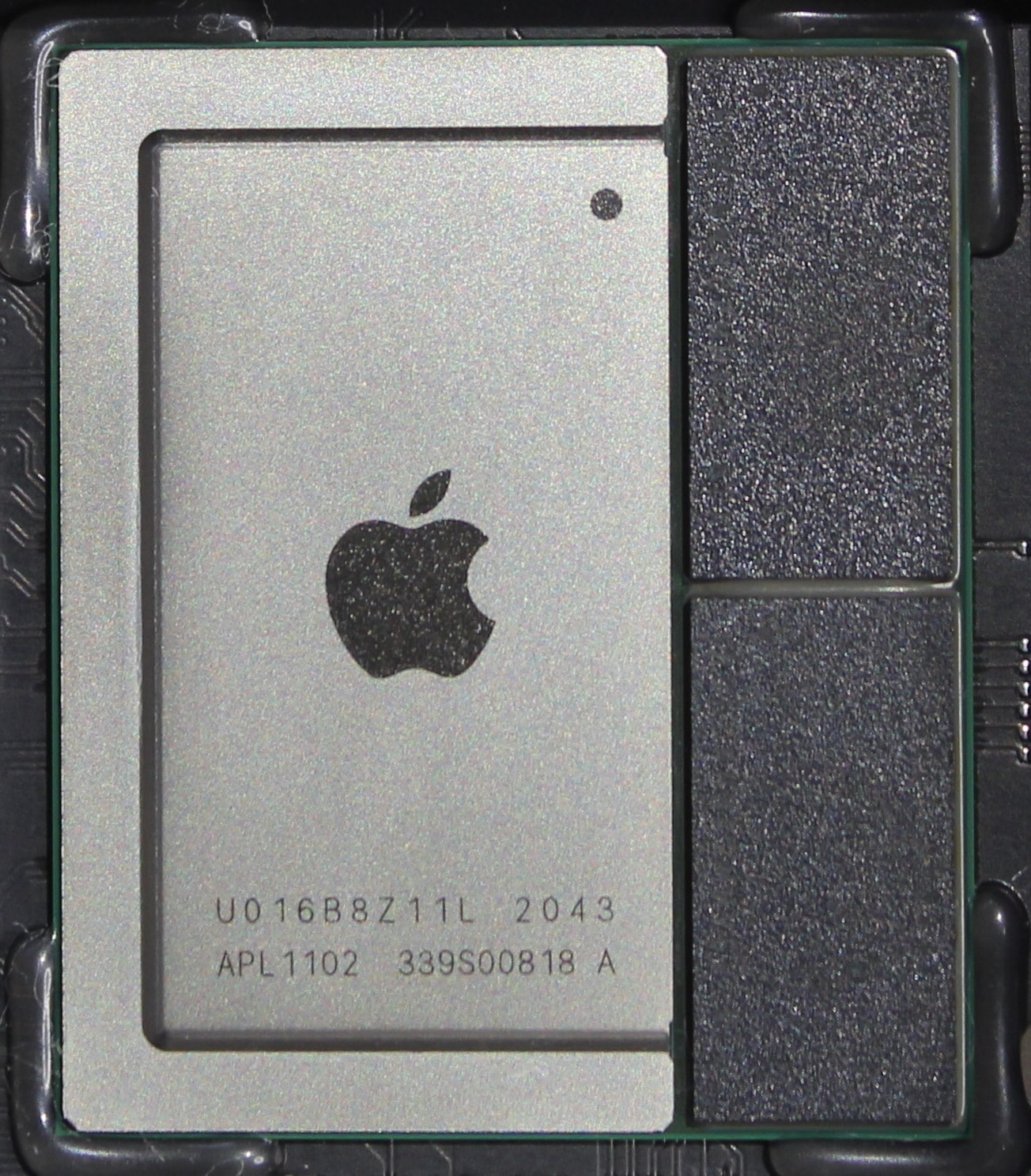
The release carries concrete technical and infrastructure signals. Meta disclosed that Muse Spark has 816 billion total parameters with 42 billion active at inference, supports up to a 1 million-token context window, and can run locally on two Apple M5 Ultra Mac Studio computers. API access is also available through some providers. The on-device configuration is the notable infrastructure signal: it suggests Meta is positioning the model for local execution, potentially reducing dependence on large centralized data-center deployments for at least part of the inference workload.
Strategic framing from Meta leadership
CEO Mark Zuckerberg has argued that advanced AI capability should not be concentrated among a small number of companies, a position the open-weight release operationalizes. The framing sets up a contrast with proprietary competitors and positions Muse Spark as a lower-cost alternative for businesses willing to invest in the computing resources and technical expertise required to run a 816B-parameter model, even an active-parameter subset of 42B at inference.
Trade-offs and deployment considerations
Open-weight availability gives enterprises greater control over their data and customization paths, but the model still demands substantial compute and engineering capacity to operate effectively. The two-Mac-Studio local configuration is a baseline; production deployments for coding and agentic workloads are likely to require more significant infrastructure, leaving the data-center question partially answered rather than resolved.
Next observable checkpoint
Watch developer uptake on the API channels and any disclosed enterprise deployment scale beyond the local reference configuration; a separate disclosure on production-scale customers or inference economics would clarify how far the local-execution signal extends.
Related industries and supply products
Industry / product or service | Evidence level | Event connection | Verification signal | Main risk |
|---|---|---|---|---|
Local AI inference hardware (high-end workstations) | Inferred | Muse Spark runnable on two Apple M5 Ultra Mac Studios | Apple or Meta disclosures of local-run benchmarks | Performance gap vs. data-center inference may limit real workloads |
API-based model serving providers | Confirmed | Model available through some API providers | Provider listings and pricing pages | Limited provider detail in current reporting |
Enterprise AI integration services | Research watchlist | Open-weight release targets coding and agentic tasks | Developer ecosystem announcements or case studies | Demand signal not yet confirmed |
Data-center inference infrastructure | Research watchlist | Local execution could shift some inference off-center | Meta disclosure of shifting workload mix | On-device run is a reference config, not a replacement |
Procurement opportunities
No procurement has been confirmed. Source-anchored product relevance points to high-end local AI hardware and API serving platforms as bounded research watchlist categories; an enterprise deployment contract or named customer disclosure would be the verification signal.
Share this article