Catch up on the essentials
- Qualcomm has signed a multi-year agreement with SpaceX to supply radio equipment, baseband units and software for Starlink Mobile’s planned nationwide US terrestrial 5G network.
- Qualcomm said the equipment would be deployed across tens of thousands of macro cell sites in the United States starting in 2027.
- That mechanism is central to SpaceX’s plans because a terrestrial network operating at tens of thousands of locations must balance coverage and capacity while making efficient use of licensed spectrum.
Selected from this article · 2026-11-05
Read on for the full pictureQualcomm gains a large infrastructure foothold
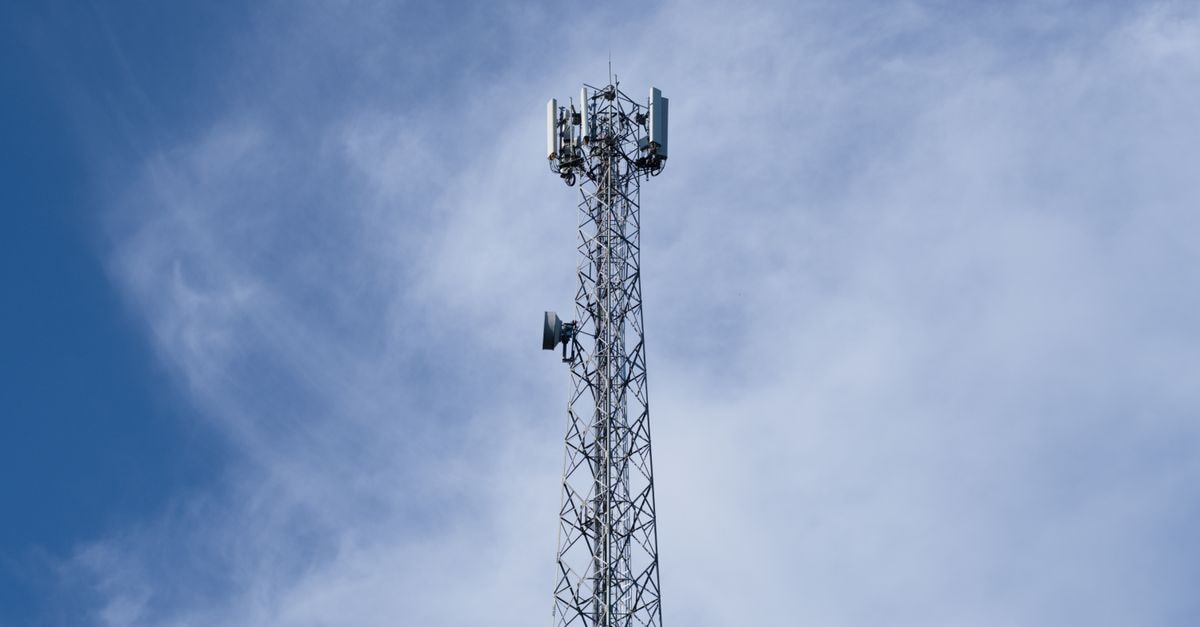
Qualcomm has signed a multi-year agreement with SpaceX to supply radio equipment, baseband units and software for Starlink Mobile’s planned nationwide US terrestrial 5G network. The company, which confirmed the agreement on November 4, called it its biggest 5G deal yet, although the financial terms were not disclosed.
The agreement expands Qualcomm’s role in telecom infrastructure as it seeks to diversify beyond mobile-device chips. It also places SpaceX’s terrestrial network ambitions on a path that could connect licensed spectrum with satellite service, challenging established carriers such as AT&T, Verizon and T-Mobile.
Tens of thousands of sites frame the opportunity
Qualcomm said the equipment would be deployed across tens of thousands of macro cell sites in the United States starting in 2027. The scale matters because it indicates that the agreement is tied to an extensive planned terrestrial build rather than a limited pilot.
The initial phase is intended to focus on terrestrial 5G. Qualcomm said its technology could support a multi-band network deployed in stages, with the architecture designed to accommodate later developments in connectivity and network intelligence. SpaceX’s own announcement described the initial US deployment as beginning in 2027 and extending over several years.
The architecture targets spectrum efficiency
Qualcomm’s Dragonwing Cellular Infrastructure platforms combine Massive MIMO, purpose-built processing and commercial-grade Layer 1 software. The equipment is designed to improve coverage, capacity and spectral efficiency, while advanced beamforming directs wireless signals toward users and makes more efficient use of licensed spectrum.
That mechanism is central to SpaceX’s plans because a terrestrial network operating at tens of thousands of locations must balance coverage and capacity while making efficient use of licensed spectrum. The companies are also presenting the platform as a foundation that could eventually support AI-native 6G, although that remains a longer-term ambition rather than part of the initial 5G rollout.
SpaceX is pursuing a hybrid mobile model
SpaceX is combining satellite connectivity with a terrestrial network in pursuit of a conventional nationwide mobile service. It has been acquiring spectrum and exploring agreements with cell-tower companies, while its earlier smartphone offering focused on satellite connectivity delivered through partners including T-Mobile.
The Qualcomm agreement supplies key technology for the base-station design that SpaceX is building itself. It does not, however, resolve the commercial and financing challenges associated with competing against the three largest US carriers. Reuters reported that substantial investment requirements remain a concern, even as SpaceX continues advancing spectrum purchases and terrestrial expansion.
Execution remains the next test
The next observable milestone is the planned start of US terrestrial 5G deployment in 2027. The reviewed reporting does not provide financial terms, a detailed site schedule or customer pricing, so those elements remain unestablished. The scale of the announced rollout and SpaceX’s ability to secure the investment and infrastructure required to execute it will determine whether the agreement becomes a material new mobile-network platform.
Industry and product implications
Industry / product | Disclosed fact | Demand interpretation | Verification signal | Main risk |
|---|---|---|---|---|
Dragonwing Cellular Infrastructure (upstream) | Qualcomm signed a multi-year agreement with SpaceX to supply radio equipment, baseband units and software for Starlink Mobile's planned nationwide terrestrial 5G network.; region: the country; Disclosed scope: tens of thousands of macro cell sites | Signed supply agreement; planned deployment. Qualcomm's radio, baseband and software platforms are intended to support a staged multi-band terrestrial network using advanced beamforming, Massive MIMO and commercial-grade Layer 1 software. | A subsequent Qualcomm or SpaceX disclosure showing the planned 2027 US rollout beginning and site deployment progressing.; Reported delivery window: starting in 2027 | The network requires substantial investment, and questions remain about SpaceX's ability to compete with the established US carriers. |
Share this article