Catch up on the essentials
- Starting September 20, entrepreneurs and employees at 35 municipal-level college student entrepreneurship parks in Hangzhou will be able to collect Qwen Office Token cards, according to a 36Kr report.
- On a parallel track, Zhipu AI has launched a GLM Coding Plan event tailored for Hangzhou, aimed at the same developer and AI-coding audience that Qwen is courting through the entrepreneurship-park distribution.
- The publication characterizes this as large-model vendors beginning to do “offline grassroots promotion,” a phrase used to describe the practice of physically distributing usable AI quota to lock in habitual usage before competitors can.
Selected from this article · 2026-09-11
Read on for the full pictureQwen Token cards distributed through Hangzhou entrepreneurship parks

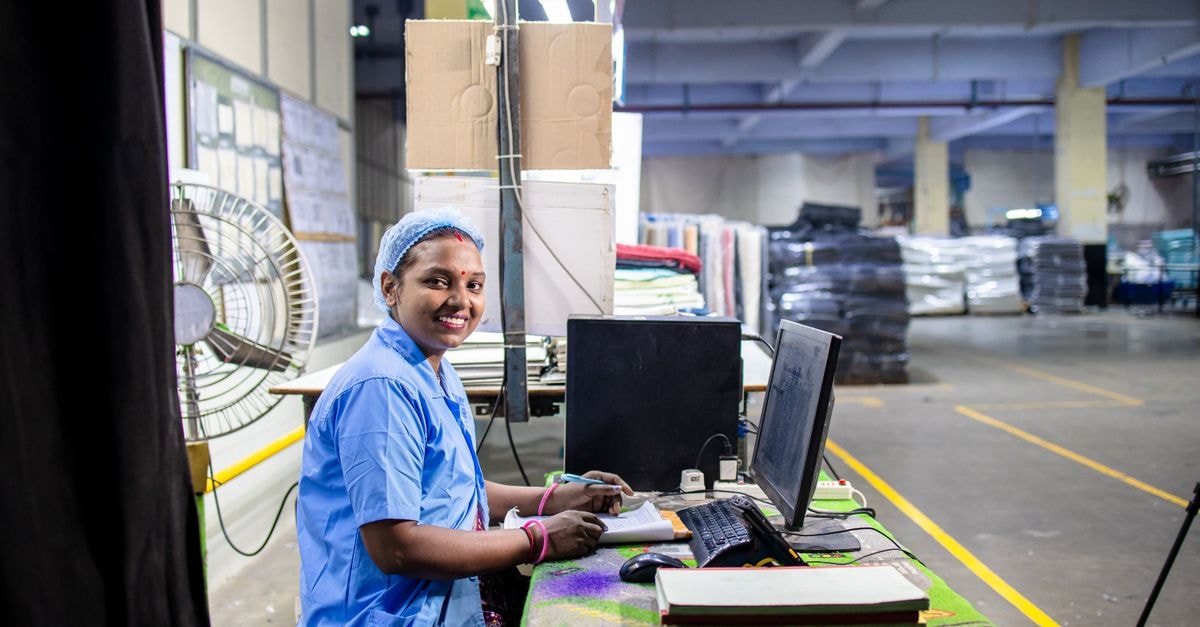
Starting September 20, entrepreneurs and employees at 35 municipal-level college student entrepreneurship parks in Hangzhou will be able to collect Qwen Office Token cards, according to a 36Kr report. The program is being organized jointly by the Hangzhou Talent Management Service Center and Qwen Office. The first batch consists of 1,000 cards, each loaded with 10,000 points valued at roughly 500 yuan, so a 10-person startup team that collects every card it is entitled to would receive an AI quota worth approximately 5,000 yuan. Applicants need only present a work ID badge at park management to claim one card per person, with no project proposal or lengthy paperwork required, and the points can be redeemed inside Qwen Office once the coating is scratched off. The mechanism replaces traditional startup-park perks such as rent waivers, free workstations, utility subsidies, and talent subsidies with direct model-usage credits, reflecting the way Tokens have become a recurring production cost for AI-era startups alongside rent, servers, and SaaS subscriptions.
Zhipu pairs a Hangzhou coding campaign with the same user-acquisition logic
On a parallel track, Zhipu AI has launched a GLM Coding Plan event tailored for Hangzhou, aimed at the same developer and AI-coding audience that Qwen is courting through the entrepreneurship-park distribution. The two campaigns, one centered on AI coding and the other on AI office work, amount to a coordinated push by large-model vendors into offline, ground-level user acquisition, with both efforts focused on handing out usable Tokens rather than marketing impressions. 36Kr frames the simultaneous Hangzhou activity as evidence that the scarce resource in China’s large-model market is no longer casual consumers but users with sustained, high-volume usage and willingness to pay, since a single developer task can consume hundreds of thousands to millions of Tokens and a startup team can spend thousands of yuan on Tokens every month.
Why Tokens, not subsidies, are the new battleground
The shift from rent discounts and talent subsidies to Token giveaways is described by 36Kr as a direct response to the changing cost structure of startup teams, where writing code, building presentations, running agents, analyzing data, generating web pages, and processing documents all draw down model quotas. By embedding themselves into the routine tool stack of Hangzhou-based founders and engineers, Qwen and Zhipu are each trying to become the default model that those users reach for first, an outcome 36Kr flags as more strategically significant than the headline subsidy value. The publication characterizes this as large-model vendors beginning to do “offline grassroots promotion,” a phrase used to describe the practice of physically distributing usable AI quota to lock in habitual usage before competitors can.
What remains to be seen
Key details not specified in the reporting include the total duration of the Qwen Office card distribution beyond the September 20 start, whether additional batches will follow the initial 1,000 cards, the exact scope and eligibility rules of Zhipu’s Hangzhou GLM Coding Plan, and whether either vendor will publish usage or retention data tied to the Hangzhou rollouts. The two campaigns are also confined to Hangzhou in the available reporting, with no indication of comparable on-the-ground promotions in other Chinese cities.
PLACES IN THIS STORY
Explore the destinations behind this report
China
Hangzhou
Browse travel guides, places to stay, attractions and local food in Hangzhou.
Explore Hangzhou →A Slow Travel Guide to Hangzhou, China's Lake CityShare this article