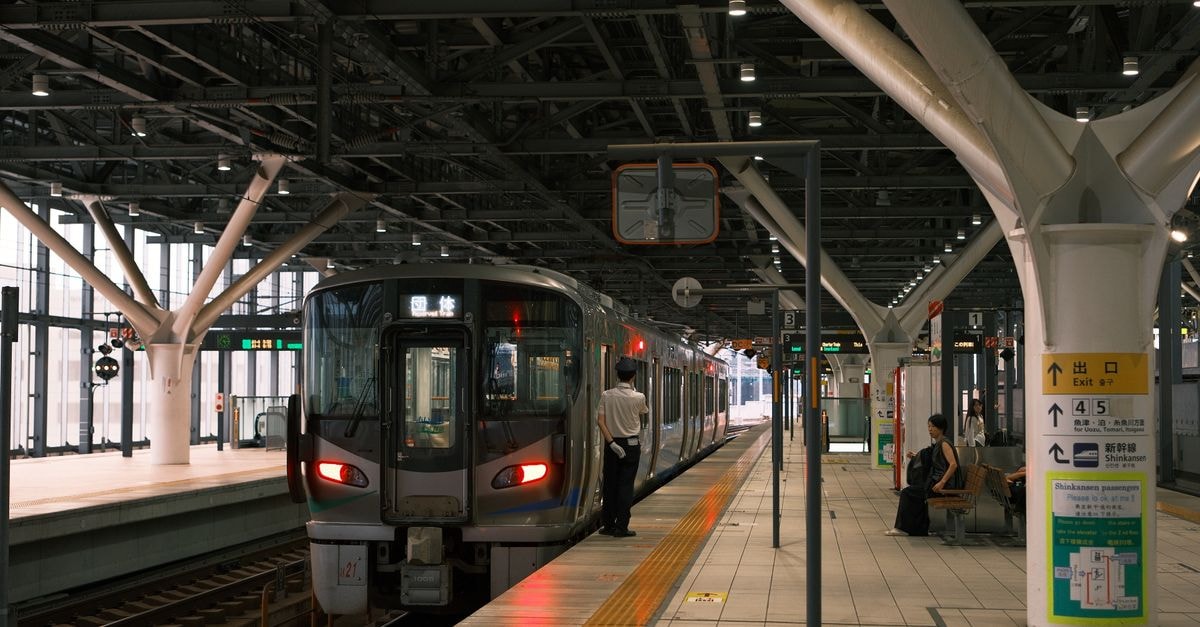
A first look at Aihara

Aihara sits in Kanagawa Prefecture as one of those small residential stops that often slips beneath the radar, especially when travelers are weighing larger neighbors like Yokohama or the Tama-area hubs. The feel here is decidedly suburban: a working neighborhood where local life carries the day rather than a stack of must-see attractions. That said, the area has its own quiet rhythm, and visitors who come for a slower pace tend to find plenty to appreciate once they settle into the local tempo.
What Aihara lacks in headline sights it balances with accessibility. The Yokohama Line has passed through here since 1908, which means reaching the area from central Tokyo or from further south along the line is straightforward. The trade-off is that Aihara itself is small, so most of the action happens in the immediate surroundings and on day rides from the station. Travelers who prefer a base with a calmer footprint and who don't mind stepping out for variety may find that combination appealing.
Weather and seasonal context
There is no weather-specific data for Aihara in the approved guide, so it makes more sense to treat the climate as supporting texture rather than a planning anchor. Conditions in this part of Kanagawa generally follow the wider Tokyo-region pattern: warm, humid stretches through the high summer months, a crisp and clear autumn, chilly winters with occasional frost in shaded spots, and a cherry-blossom-tinted spring. Travelers used to other parts of Honshu will not find the weather surprising.
For most visitors, the practical implication is simple. Layered clothing tends to be the safer choice through the transitional months, because mornings can feel noticeably cooler than afternoons. A light umbrella is a sensible year-round companion, and comfortable walking shoes make sense given the area's residential layout. If you are sensitive to humidity, scheduling the more relaxed walks for the cooler parts of the day can make outdoor time more comfortable.
Aihara Park is the most visible local green space, the kind of neighborhood park that residents use for morning strolls, dog walks and unhurried afternoons. Seasonal cherry blossoms are part of its appeal during the spring bloom, which is one of the main reasons it draws families from the surrounding blocks. Treat the park as a place to slow down rather than as a major sightseeing stop, and pair it with a walk through nearby streets for a fuller sense of the area.
Getting around
Aihara does not feature a metro or tram system, which keeps the transport picture refreshingly simple. The Yokohama Line is the main spine, and most visitors will move between Aihara Station and the wider region by train. Beyond the railway, local movement mostly happens on foot or by short taxi rides, which fits the residential scale of the area well.
A small historical footnote is worth knowing for context: Aihara Station was established on the Yokohama Line in 1908, and the railway's arrival has shaped how the neighborhood developed ever since. That long history as a stop on a commuter line is part of why the area feels lived-in rather than purpose-built, and it explains why so much of daily life clusters around the station area.
For travelers planning a broader Japan itinerary that includes long-distance rail, the standard advice applies: a Japan Rail Pass only makes sense if your itinerary warrants extensive nationwide travel, not for short hops along the Yokohama Line alone. For most visitors, regular tickets or an IC card will cover local needs without the upfront cost.
Machida is technically outside Aihara but within easy reach by train, and it offers a wider range of shops, eateries and train connections that you will not find in Aihara itself. Think of it as the practical companion stop for variety, especially on days when you want more dining choices or a fuller transfer hub. Visitors who like having a slightly larger city within a short train ride for meals or shopping will likely appreciate having Machida so close.
Attractions and planning
Aihara is best approached as a residential pocket rather than a checklist destination. The area has a mix of contemporary residential homes and older suburban houses rather than a designated historical district, which means visitors should not expect preserved streetscapes, old town quarters or concentrated heritage architecture. That absence is not a shortcoming; it is simply the character of the neighborhood, and it shapes what kind of trip Aihara makes sense for.
For attractions, the realistic plan is to lean into the park, the station-side streets and the residential walking routes, then use the train for variety. Travelers who enjoy garden-style green spaces and slow neighborhood walks will probably get more out of Aihara than visitors looking for a dense cluster of landmarks. The cherry-blossom season at Aihara Park is a particularly nice moment for those who appreciate seasonal scenery without the crowds of the bigger Tokyo-area parks.
Because there is no metro or tram and no historical district to wander, getting the most out of Aihara is mostly about pacing. Short walks between the station, the park and the local streets, with a longer train ride to Machida or other Yokohama Line stops when you want more activity, tends to be a satisfying rhythm.
Choosing what fits your trip
Aihara suits travelers who want a calmer base with reliable train access to both Tokyo and the wider Kanagawa region, and who are comfortable with a quieter evening scene. Visitors who thrive on dense urban sightseeing, late-night districts or concentrated heritage streets may find that Aihara asks for a different mindset, since Aihara is now a residential suburb whose growth began with Aihara Station's 1908 opening on the Yokohama Line. If you like the idea of a neighborhood-scale stay with a green space nearby, easy day rides and Machida within reach for dining variety, this corner of Kanagawa can be a pleasant anchor rather than a stop you rush through.
A note before you go
Travel conditions, train timetables, station facilities and local services can change, so it is worth double-checking current details with official railway and local sources before you set off. The factual notes above are based on the approved guide at the time of writing and are intended as a starting point for your own planning.
Prices, opening hours, schedules, reservation rules, and local conditions can change; verify them through official channels before departure.
Share this article
TOOLS FOR THIS PLAN
Make the Aihara plan measurable
Choose a tool only when it answers the next question in your trip. Your values stay in the browser, and each tool offers a route back to this planning context.