A Quiet Corner of Kanagawa Waiting to Be Discovered

Sagamihara sits on the western edge of Kanagawa Prefecture, stretching from the flatlands toward the foothills that mark the start of more mountainous country. It is the kind of place travelers tend to pass through on the way to somewhere else, which is part of its quiet charm. There is no single marquee sight that defines the city, but there is a thoughtful local rhythm: commuter trains, neighborhood parks, residential shopping streets, and a few places where the deep history of the area is treated with real seriousness. For visitors who like the texture of a lived-in city more than the gloss of a postcard, Sagamihara can be a rewarding stop.
This guide sticks to what is firmly supported in the evidence: climate context, the public transport network, one anchor attraction, and how the local dining scene is structured. Where details would normally be filled in with prices, opening hours, or restaurant names, those have been left for visitors to confirm before they go.
Weather and Seasonal Context
Sagamihara's climate can be read month by month through city-level averages of temperature, rainfall, and sunshine. That kind of data exists precisely because the city's weather shifts meaningfully across the year, and planning around it makes a real difference to how a day feels on the ground. Checking the average conditions for the time you plan to visit can help you decide how early to start sightseeing and whether to build in a slower afternoon.
The same source that tracks these averages also points readers toward the best time to visit Sagamihara, which suggests there is a window that most travelers find most comfortable. If a particular month matters to you, the by-month view is the simplest way to compare temperature, rainfall, and sunshine at a glance. Because the ledger does not give specific figures for any particular month, the practical move is to look at the averages for your travel window and use them as a soft guide rather than a guarantee.
Getting Around
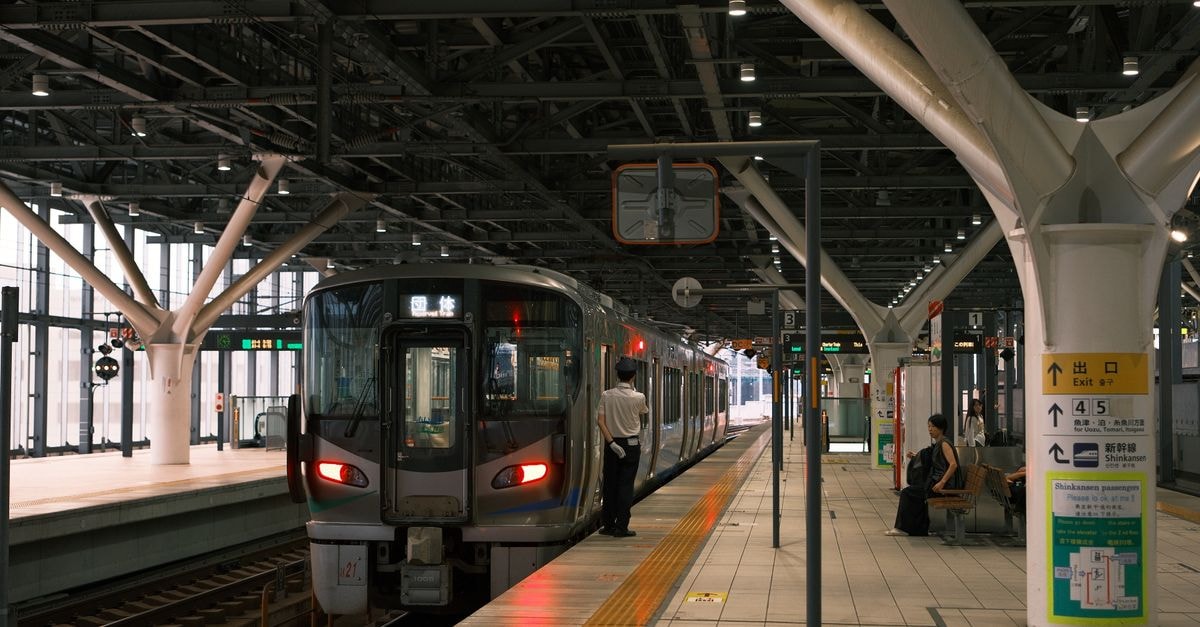
Sagamihara is shaped by its rail corridors, and the stations are the natural anchors for moving through the city. The three major stations called out in local transport guidance are Hashimoto, Sagamihara, and Sagamiono. Each one functions as a small hub, with the kinds of services that tend to cluster near commuter stops: bus connections, shopping, and food options within easy walking distance.
For visitors who would rather not navigate by bus or on foot, taxi stands are available at the major train stations. That detail is small but useful: it means a tired afternoon, a late arrival, or a ride out to a less central destination does not require pre-booking a private car. Standing on the platform and walking to the taxi rank is the simplest fallback. Travelers who are mapping a day around a specific museum or neighborhood should plan their return route through one of these three stations, since they are the places where onward options are most reliable.
Attractions and Planning
The city's cultural attractions are described in generalist travel coverage as a mix of historic sites and contemporary points of interest, with the standard FAQ framing of which places are considered top draws. That kind of overview is a starting point rather than a final list; it tells visitors what the local travel conversation centers on, without committing to a fixed ranking.
One attraction stands out in the available evidence: the Sagamihara Archaeological Museum, which is described as a must-visit with a vast collection of artifacts dating back thousands of years. For travelers with even a passing interest in prehistory and the deep human story of the Kanagawa region, that museum is the most clearly documented reason to build a day around Sagamihara specifically. Allow enough time to move through the exhibits at a comfortable pace, and plan to use a major station as your entry and exit point, since the museum is the kind of place that benefits from a relaxed arrival rather than a rushed one.
Food and Local Context
The Sagamihara dining scene is described in travel coverage as having limited dedicated fine dining, which is itself a useful piece of information. It tells visitors what the city is not: it is not a destination built around white-tablecloth tasting menus. That does not mean eating well is hard here. It means the city's strengths are likely to be in everyday restaurants, neighborhood izakaya, ramen shops, family kitchens, and the kind of casual spots that locals use on a weeknight.
Because the evidence does not point to specific restaurants, price points, opening hours, or signature dishes within Sagamihara, the practical advice is to explore around the major stations after sightseeing, where restaurants tend to cluster, and to follow whatever looks lively in the evening. Travelers who specifically want a high-end tasting-menu experience may want to reconsider whether Sagamihara is the right base for that particular goal; for everyone else, the everyday food scene is a reasonable match for an unhurried city visit.
In wider Japan, the food culture visitors may encounter includes a strong tradition of small, specialized shops, an emphasis on seasonality, and etiquette around tipping, which is not customary in most settings. None of this is unique to Sagamihara, but it shapes the texture of meals across the country, and it is worth being aware of before sitting down at a counter or handing over a card.
Choosing What Fits the Trip
The tradeoffs in Sagamihara are honest rather than hidden. The city rewards travelers who are curious about everyday Japanese urban life, the rhythm of a commuter hub, and one genuinely deep cultural stop at the archaeological museum. It is less suited to visitors whose main goal is a tightly packed schedule of headline sights, and to anyone specifically looking for a concentrated fine-dining destination, since the documented dining scene leans casual rather than upscale.
Transit is straightforward around the three major stations, and taxi stands at those stations make it easy to fall back on a car when the day runs long. The climate data is available by month, so travelers who care about temperature, rainfall, or sunshine can check the averages for their own window and pace the day accordingly.
A Note Before You Go
Factual travel conditions change: train timetables, taxi availability, exhibition details at museums, and restaurant openings all shift over time. Treat this guide as a starting framework rather than a live confirmation. Checking official transit, museum, and tourism channels before departure is the most reliable way to confirm the details that matter to your specific day.
If you have one question worth verifying in advance, it is whether the archaeological museum has any temporary closures or revised hours during your visit, since that single anchor attraction is the clearest reason the city rises above being a pleasant stopover.
Prices, opening hours, schedules, reservation rules, and local conditions can change; verify them through official channels before departure.
Share this article
TOOLS FOR THIS PLAN
Make the Sagamihara plan measurable
Choose a tool only when it answers the next question in your trip. Your values stay in the browser, and each tool offers a route back to this planning context.