A slow look at a highland town

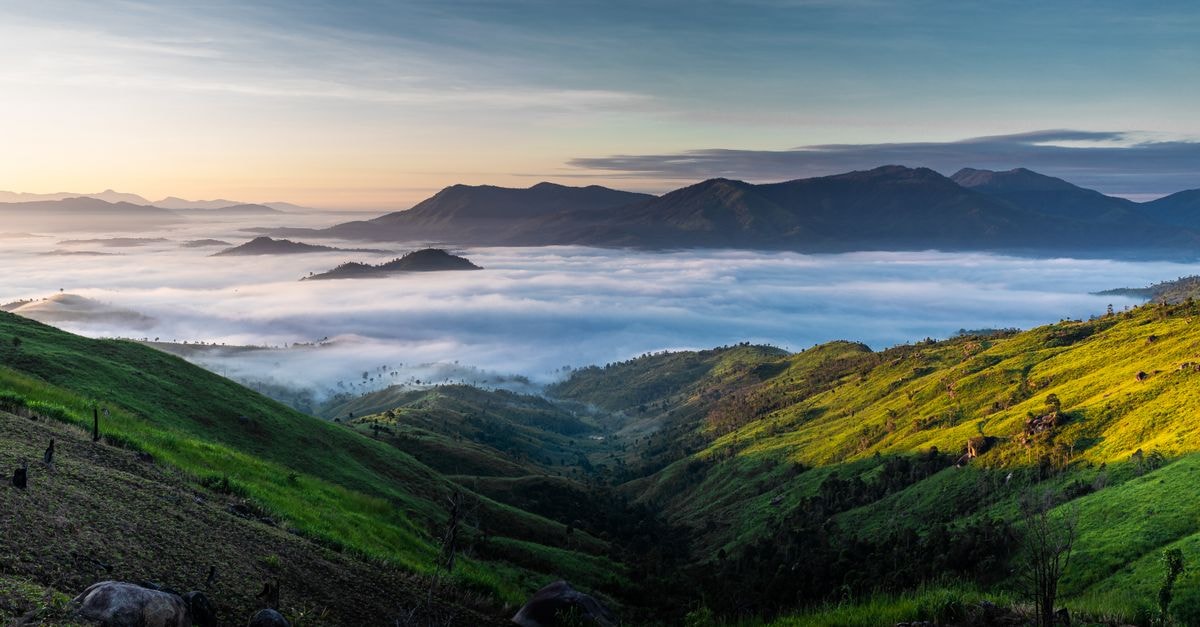
Ainaro sits quietly in the central highlands of Timor-Leste, a place where the air feels cooler than the coast and the surrounding ridges roll out in every direction. For travelers who prefer unhurried destinations, towns that read more like a working community than a curated stop, it offers a different rhythm than the country's beach-facing capital. This Ainaro travel guide keeps things grounded in what the approved sources actually describe: a tropical highland climate, a well-known cultural town a short drive away, and a waterfall tucked into the same broader landscape. Where the evidence is thin, the guide stays quiet rather than guessing.
Weather and seasonal context
Ainaro's climate is classified as Tropical Monsoon, with consistently warm temperatures year-round, which sets the everyday backdrop for a visit. Average temperatures tend to sit around 23°C (74°F) in the months covered by the climate sources, giving the town a noticeably milder feel than the lowland coast even when the wider climate stays tropical. The highland location matters here. Travelers used to sea-level heat will find mornings and evenings easier to dress for, and layered light clothing usually works better than a single heavy layer.
Because of its elevation, Ainaro's highland climate is best between May and October (dry season) for trekking and clear views, which is the period most commonly associated with comfortable walking weather and crisper sightlines across the ridges. If your travel style leans toward slow hiking, roadside viewpoints, and unhurried photography, this is the part of the year to consider first. For travelers who prefer fewer rain interruptions and softer afternoon light, pacing the day around cooler hours may suit you better than a full midday schedule. Outside that window the town does not suddenly become inhospitable, but it does tend to feel more humid and wetter, so a flexible plan tends to help.
A small verification question worth asking locally before you set out for any longer walk is whether the current conditions match the calm highland weather you are expecting, since highland microclimates can shift quickly even within the dry months.
Attractions and planning
The scenery around Ainaro is part of what draws visitors, and two reference points appear repeatedly in the source material.
First, Maubisse is a short drive from Ainaro and is well known for its cultural heritage and stunning scenery. That makes it a natural anchor for travelers who want a base in the highlands with the option of a daytime outing. Maubisse tends to suit visitors curious about traditional village life, mountain views, and slower routes rather than those looking for a checklist of built attractions. If you like pairing landscape with local culture, having a morning in town before continuing toward Maubisse often feels like the right order.
Second, a couple of kilometres south of Maubisse is the Ersalibuti (Hakmatek) waterfall, which has a deep pool. This is the kind of stop that rewards travelers who are comfortable with simple, natural settings rather than developed sites. Travelers who prefer a quieter natural pause in the middle of a mountain drive may enjoy building in time here. Because the sources describe it as a waterfall with a deep pool, it may appeal to visitors who enjoy short scenic stops; travelers who prefer more developed bathing or swimming infrastructure may want to think about what they actually want from the visit before going. The only honest way to plan this stop is to ask locally about current access and conditions on the day, since sources do not record a current schedule or a current service setup.
Together, these two references point toward a way of visiting Ainaro that is less about ticking off a long list and more about letting the highland scenery and nearby culture set the pace.
Food and local context
Eating around Ainaro is part of feeling the town's everyday rhythm, and the sources frame it in two complementary ways. Ainaro traditional markets are described as a way to experience local food and culture, suggesting that markets, rather than a specific restaurant list, are a useful place to begin. The market side of the experience tends to suit travelers who are curious about regional produce and who are happy to eat what is in season that day, rather than travelers looking for a fixed menu of named specialties.
The second reference points to a list of top food dishes associated with the region, which signals a regional cuisine worth exploring rather than a single signature dish to hunt down. For travelers who like sampling several small things across a visit, treating meals as a sequence of local flavors tends to work better than locking in one must-eat item.
Broader Timor-Leste food culture often appears at the table wherever you are in the country, and visitors to Ainaro will tend to meet that same wider context in everyday settings. Typical country-wide staples such as rice, corn, cassava, beans, and locally grown vegetables, along with coffee from Timor-Leste's well-known coffee-growing tradition, tend to show up in different forms across the country. None of these should be treated as an Ainaro-specific specialty; they are simply the food culture travelers are likely to encounter. When in doubt about a specific dish, asking what is local and in season is usually the most reliable approach.
A short verification question worth raising before relying on any specific food stop is whether the place you have in mind is currently operating in the way you expect, since food and market scenes in smaller highland towns can change quickly.
Picking what fits your visit
Ainaro is the kind of destination that rewards a small number of well-chosen activities rather than a packed schedule. If your priority is landscape and highland scenery, the broader Maubisse area and the Ersalibuti waterfall offer the kind of simple, scenic stops that match that mood. If your priority is everyday local culture, spending time around the town's traditional markets and being open to regional dishes tends to fit better than chasing a specific food list. If you prefer cooler walking weather and clearer views, the dry months between May and October are the part of the year sources point to, while the rest of the year still works for travelers who are comfortable with a softer plan. Travelers who prefer built attractions, busy nightlife, or a long checklist of named sights may find the town quieter than they want, since the documented attractions are modest in number and lean toward scenery and culture rather than venues.
A note before you go
Travel information changes, especially in smaller highland destinations, so it is always worth confirming current conditions, access to the waterfall area, market hours, and transport availability through local contacts or official channels before you set out. This guide reflects the approved factual evidence available at the time of writing and should be read as a starting point rather than a final word.
Share this article
TOOLS FOR THIS PLAN
Make the Ainaro plan measurable
Choose a tool only when it answers the next question in your trip. Your values stay in the browser, and each tool offers a route back to this planning context.