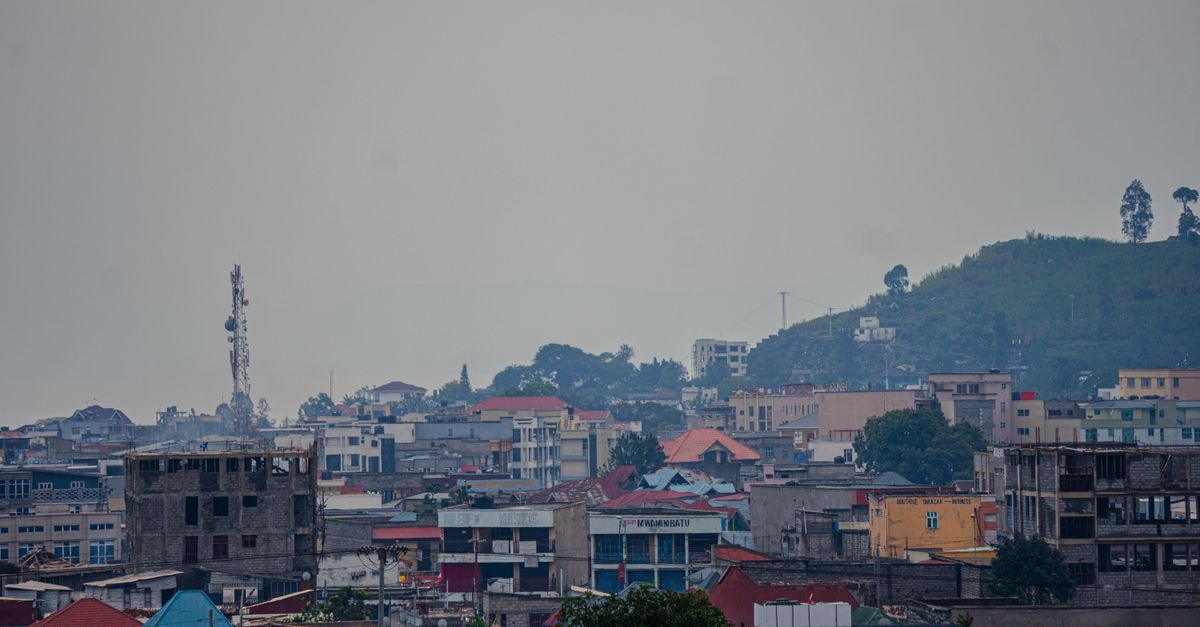
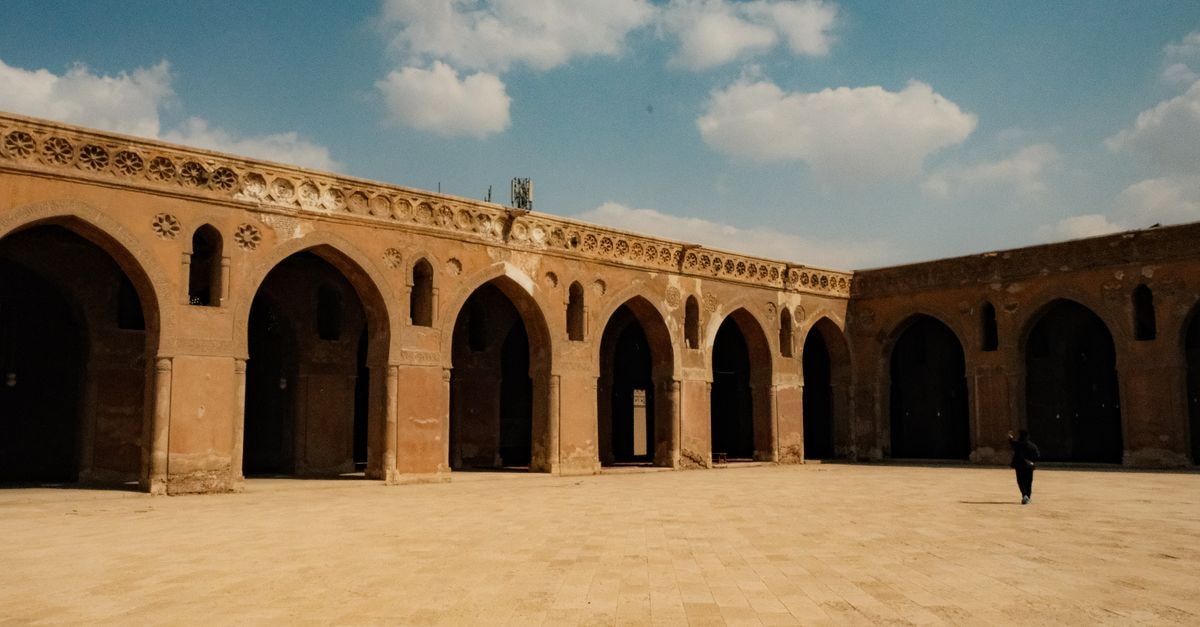
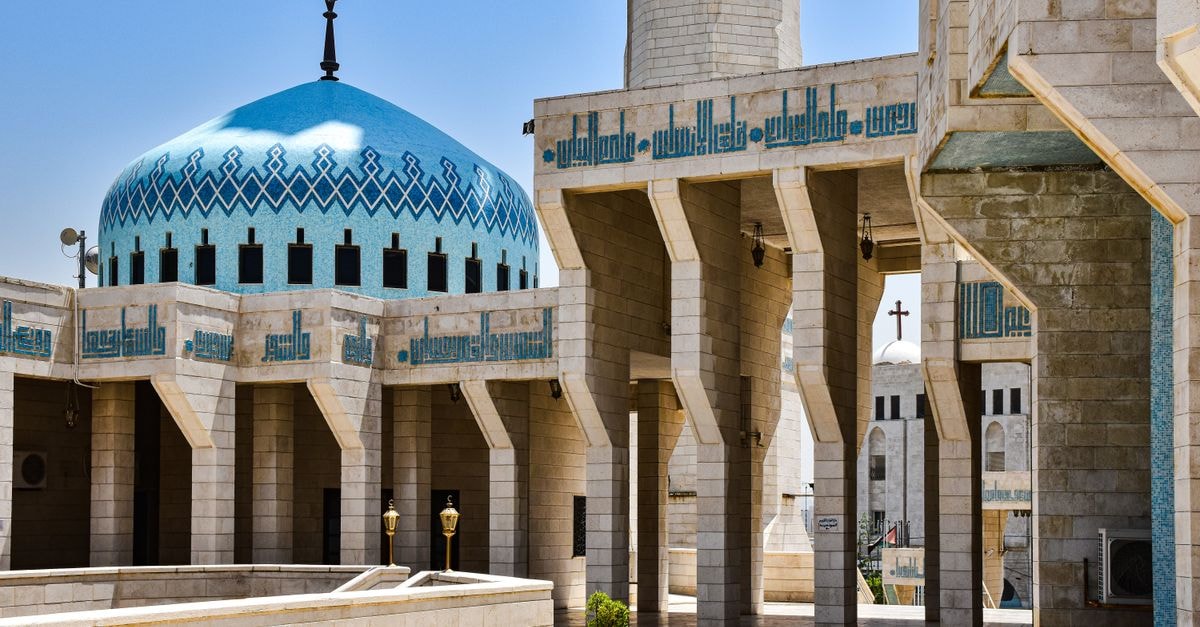
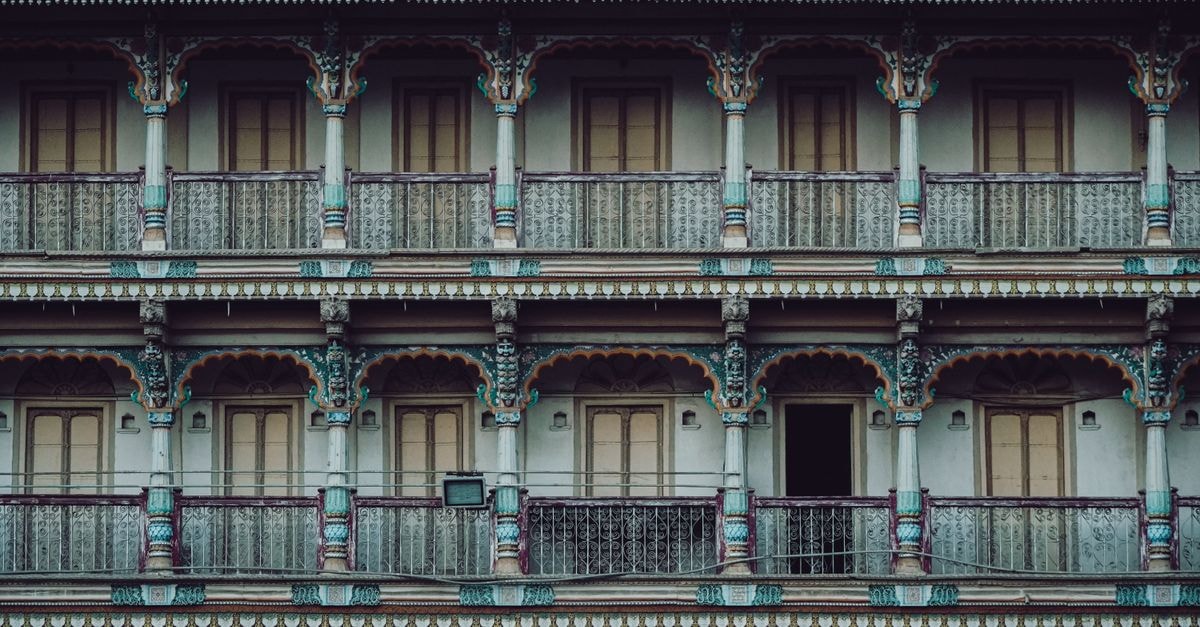
Amarah sits at the heart of Maysan Governorate, where the Tigris winds through the marshes of southeastern Iraq. It is the kind of place travelers visit when they want to slow down and look beyond the better-known stops further north. The city has a long reputation as a cultural hub for southern Iraq, with traditions in poetry, music, and craftsmanship that travelers sometimes encounter in passing rather than on a fixed schedule. If you like destinations that reward curiosity over checklists, Amarah may suit that pace well, though specifics like museum hours or transport timetables are worth confirming locally before you plan a visit.

Getting around Amarah
Amarah is the administrative center of Maysan Governorate, which means it functions as the main base for moving around the province. Within the city itself, walking and short taxi rides tend to be the most practical ways to get between points of interest. Because Amarah is a provincial capital, the road connections radiating from it link to other towns within Maysan and to routes that lead elsewhere in southeastern Iraq. Travelers using the city as a base for exploring the wider governorate will find that its central position makes it a natural starting point, though long-distance buses and shared transport typically operate on schedules best confirmed closer to the time of travel. If you prefer to settle into one base and explore outward from there, Amarah's role as the governorate seat supports that approach.
Attractions and planning around the city
The most clearly documented cultural stop in Amarah is the Amarah Heritage Museum, a small collection of local crafts and photographs documenting city life. The description from the local attractions register emphasizes its modest scale rather than a sprawling exhibition, which makes it a comfortable visit for travelers who prefer intimate, focused stops over grand institutions. Because the museum centers on local crafts and photographs of daily life, it may particularly appeal to readers interested in regional heritage, photography, and the visual record of a southern Iraqi city. What is on display, what hours it keeps, and whether an entry fee applies are details that the visitor should verify directly, as these practical specifics can shift over time.
Outside the museum, Amarah's broader appeal is woven into the texture of the city itself. The traditional markets referenced in regional cultural writing give visitors a sense of everyday rhythm rather than a curated experience, and travelers who enjoy observing local commerce, conversation, and craftwork often find these settings as rewarding as any formal sight. Those who like a slower, people-focused day rather than a packed sightseeing schedule may find this balance works well here.
Food and local context
Amarah has a long cultural association with traditional markets and with a regional musical tradition known as the Maysani style. While the food itself is not reduced to a single dish, the city shares in the wider Iraqi food culture that emphasizes communal meals eaten by hand, generous hospitality, and a comfort with informal, shared dining. This is a nationwide dining custom that visitors to Amarah will often encounter in practice, whether at a family-style table or in a casual local setting, and it shapes how a meal feels as much as what is on the plate.
A few practical notes help the food experience go smoothly. Specific restaurant recommendations, prices, and opening hours are not covered in the available local evidence, so it is best to ask locally or check current sources before settling on a place to eat. Travelers who prefer to explore by wandering through markets and stopping where the atmosphere appeals will generally find Amarah comfortable for that style, while those who want fixed reservations and a known menu in advance may want to plan more deliberately.
Choosing what fits your trip
A few tradeoffs help shape the kind of visit that suits different travelers. The Amarah Heritage Museum is a focused, modest stop, so visitors who prefer long, immersive sightseeing days may want to pair it with walks through the traditional markets and time spent observing everyday life, while travelers who prefer a single anchor point will find it a satisfying centerpiece. Because food culture here is best experienced through communal settings rather than a documented restaurant circuit, visitors who enjoy eating as a social, informal activity will likely feel at home, whereas those who want a fixed dining itinerary should verify details on arrival. Getting around the city is straightforward on foot and by short taxi rides, which works well for travelers who like a slow, ground-level pace, though anyone using Amarah as a base for the wider governorate should confirm long-distance transport options in advance.
A note before you go
Travel conditions, museum hours, transport availability, and local customs can all change. Treat this guide as a starting frame for your trip rather than a final itinerary, and check current information through official or locally recommended channels before departure. For questions that depend on the moment you visit, such as whether a specific venue is open on a given day or how a particular route is running, local sources will always give you the most accurate answer.
Prices, opening hours, schedules, reservation rules, and local conditions can change; verify them through official channels before departure.
Share this article
TOOLS FOR THIS PLAN
Make the Amarah plan measurable
Choose a tool only when it answers the next question in your trip. Your values stay in the browser, and each tool offers a route back to this planning context.