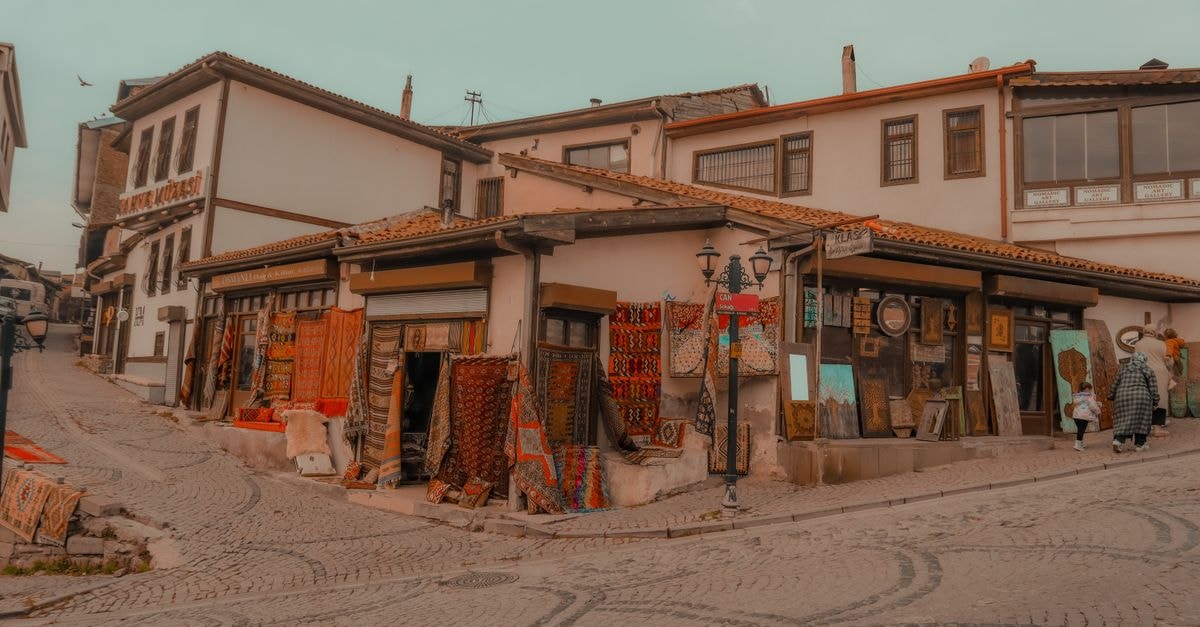
A first look at Aligarh

Because the city is not far from New Delhi, travelers flying in via the capital's Indira Gandhi International Airport tend to find the onward leg of the journey fairly manageable, and that proximity matters more than people expect when planning a short cultural trip. Aligarh is also generally considered safe for tourists, which is helpful context for first-time visitors who might hesitate before exploring a less-touristy city in Uttar Pradesh.
What this guide tries to do is keep things grounded. There is no parade of attractions here, no inflated lists, no promises about how the city will feel on a particular date. Instead, the focus is on what you can actually count on: how the place reads at street level, how the weather tends to behave, how you move around once you arrive, and what to keep in mind before booking anything.
Weather and seasonal context
Aligarh's climate, like much of the Indo-Gangetic plains, swings between noticeable extremes. Temperatures can climb well into the forties Celsius during peak summer months and dip quite low in winter, with monsoon rains shaping the in-between seasons. For travelers, the practical takeaway is simple: pack for the season you are actually visiting, not the season you wish you were visiting. Light, breathable cottons work well for the hot stretches, a light layer or jacket is useful in winter, and a reliable umbrella or rain jacket earns its space whenever the southwest monsoon is active.
Because the city sits close to New Delhi, you can think of Aligarh's general rhythm as a slightly more inland version of the capital's weather pattern. If you are used to reading Delhi forecasts, the Aligarh picture will feel familiar. Hydration matters more than most travelers expect, particularly when you are walking around the older quarters or standing in open areas near the lock markets. Early mornings and late evenings tend to be the most forgiving hours for unhurried exploration.
The university campus, with its shaded paths and older architecture, often feels a touch cooler than the surrounding streets, simply because of the tree cover and the layout of the grounds. That is a small detail, but it changes how a day of sightseeing can be paced. Plan outdoor time around the cooler windows, save the heavier walks for those hours, and treat midday as a break rather than a target.
It is worth flagging the obvious: seasonal conditions in this part of India are not always predictable, and the monsoon can be generous or stingy depending on the year. Carry layers and rain protection regardless of the calendar, simply because the weather does not always honor it.
Getting around
Aligarh's transport story is one of its more practical strengths, especially for a city of its size. The local network leans on auto-rickshaws and public buses, both of which are affordable and reasonably easy to find from most parts of the city. Auto-rickshaws are the everyday workhorse for short trips, and they are usually the quickest way to hop between the railway station, the university area, and the older commercial lanes. Buses fill in the gaps, particularly for longer routes where a three-wheeler would not be efficient.
For visitors, a few habits make the experience smoother. Have small denominations ready, because change is not always immediate in shared autos. Confirm the fare or insist on the meter before the ride begins, which is standard practice in many Indian cities and is generally well understood here. If you are heading to the university or back in the evening, autos tend to cluster near the gates, which saves time.
The city is straightforward to reach from outside as well. The proximity to New Delhi means the national capital's airport serves as the most common international and long-distance entry point, and from there, trains and road transport connect to Aligarh with relative ease. Inside the city, distances are short enough that most intraday movement can be handled by a combination of walking and auto-rickshaw, without needing to arrange private transport.
Travelers who prefer pre-planning will find the usual aggregators useful for sorting ground options, though the on-the-street network is robust enough that you do not need to rely on apps for every ride. A simple rule of thumb: for the airport-to-city leg, pre-book; for everything inside Aligarh, use what you find on the road.
Practical notes for visitors
A few details are worth keeping in mind before and during your trip, not because they are complicated, but because small preparations tend to shape how a short Indian city visit feels.
Health paperwork can come up at unexpected moments, especially at airport checks or if you plan to extend your trip elsewhere in India. All standard vaccination types are recognized and accepted by the national health authority, which simplifies pre-travel preparation if you have already taken care of the usual recommendations. Keep digital or physical copies of your certificates accessible.
Safety in Aligarh is generally comfortable for tourists, but the usual city smarts still apply. Watch your belongings in crowded market lanes, particularly around the lock bazaars where foot traffic is dense. Use registered pre-paid options at the railway station when arriving late at night, and trust your instincts about which streets to wander down after dark.
Language is rarely a barrier in a university city, since English is widely understood around the campus and the more commercial areas. In the older neighborhoods, a few Hindi phrases go a long way, and the warmth of the response more than makes up for any small mispronunciations.
Finally, give yourself a little slack on the schedule. Aligarh rewards unhurried exploration. Sit through a chai, watch a lane of locks being assembled, walk a stretch of the campus, and let the city's slower rhythm catch up with you. The most useful thing any guide can say about Aligarh is also the simplest: it is a place that opens up when you stop trying to rush through it.
Factual travel conditions can change, so verify transport schedules, local advisories, and any entry requirements through official channels before departure.
Share this article
TOOLS FOR THIS PLAN
Make the Aligarh plan measurable
Choose a tool only when it answers the next question in your trip. Your values stay in the browser, and each tool offers a route back to this planning context.