A first look at Malatya

Malatya sits in the Eastern Anatolia region of Türkiye, set on a high plateau where the Taurus and Anti-Taurus ranges begin to soften into the plains. It is one of the larger cities in this part of the country, and it is regularly described as an important tourist destination because of its natural setting, its layered history and its well-known cuisine. That mix of mountain scenery, deep time and everyday food culture gives the city a particular rhythm: it feels less like a stop on a tight itinerary and more like a place to slow down and absorb.
For visitors planning a trip, Malatya works well as a base for a relaxed few days of heritage walking, casual meals and unhurried café stops. The city's identity is shaped by apricots, by mountain air, and by a long history that stretches back well beyond the Ottoman period.
Where Malatya sits and how to picture it
Malatya is a province in eastern Türkiye, sitting on a high plateau at the foot of the Taurus and Anti-Taurus mountains. The setting alone is part of the appeal: the city is framed by mountain ranges, which give the air a particular clarity and make even short walks feel close to nature. Within the region, several other cities sit at a respectful distance; Sivas lies 214 km away, Elazığ 162 km, and Kahramanmaraş 214 km. These are useful reference points when you are looking at a map and trying to understand the broader geography of eastern Türkiye, rather than destinations to plan day trips around from Malatya itself.
The wider Eastern Anatolia region is one of the most distinctive parts of the country to travel through, and Malatya offers a comfortable entry point to it. The time zone follows Türkiye's standard GMT +3, the country code is +90, and electrical sockets are types C, E and F, which is helpful to know before packing. The local currency is the Turkish Lira, or TRY, and while cards are widely accepted in cities, it is always sensible to carry some cash for smaller shops, neighbourhood bakeries and traditional tea gardens. Exchange rates shift over time, so treat any rate you read online as a reference only and check the live rate before changing money.
Weather and seasonal context
Malatya's high plateau position and continental eastern setting give it a climate that tends to swing between hot summers and cold winters, with clear, bright conditions much of the year. Because the city sits between mountain ranges, the days can feel crisp even when the sun is strong, and evenings often cool down quickly. That diurnal shift is part of what makes a visit here feel so varied: a morning can start gently cool, while a midday stroll through the older streets asks for shade, water and a slower pace.
For travellers, the practical upshot is dressing in breathable layers, keeping sun protection handy for the middle of the day, and planning the heaviest sightseeing for the mornings or the later afternoon when the light is softer. A thermos in your bag for tea or water becomes a small luxury on warmer days, and café terraces make a natural pause between visits. These are gentle habits that suit the rhythm of an eastern Anatolian city rather than hard rules, and they let you stay out longer without overheating.
Getting around Malatya
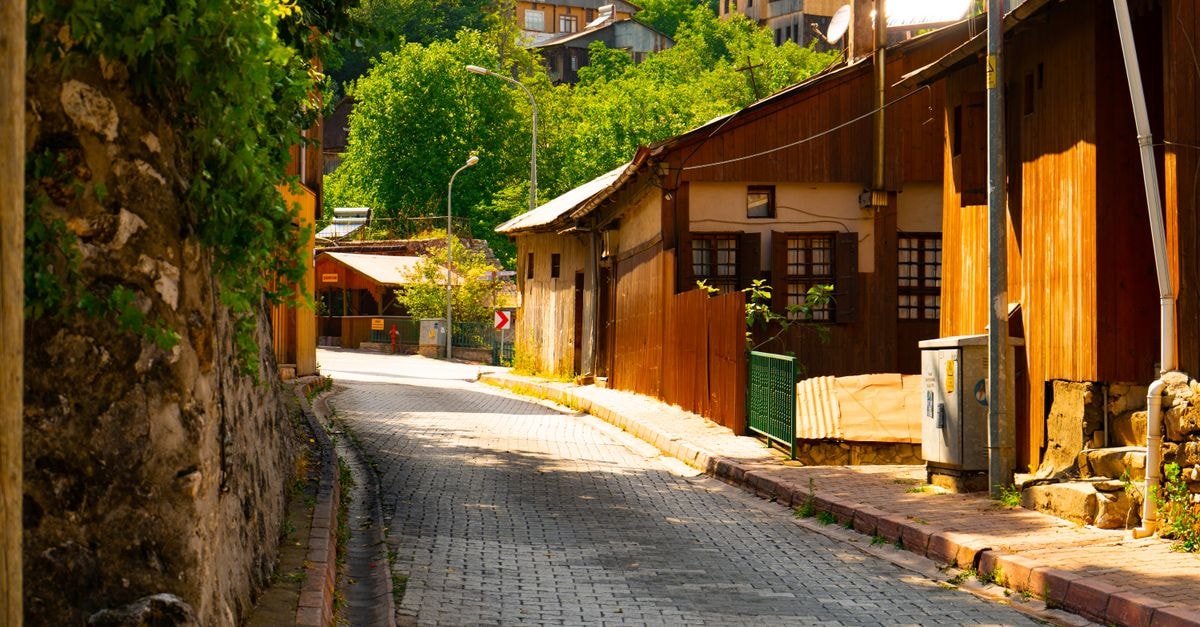
Within the city, the simplest approach is to walk the central neighbourhoods and use local taxis or minibuses for the longer stretches. Malatya is large enough that you will not cover everything on foot, but compact enough in its historic core that most of the heritage stops are reachable in a short walk from each other. Visitors often meet friends for shared meals and then wander along the local boulevards or drift to a cosy café near the Medrese ruins, an easy rhythm that suits the pace of the city and gives you a chance to absorb everyday life between more focused sightseeing.
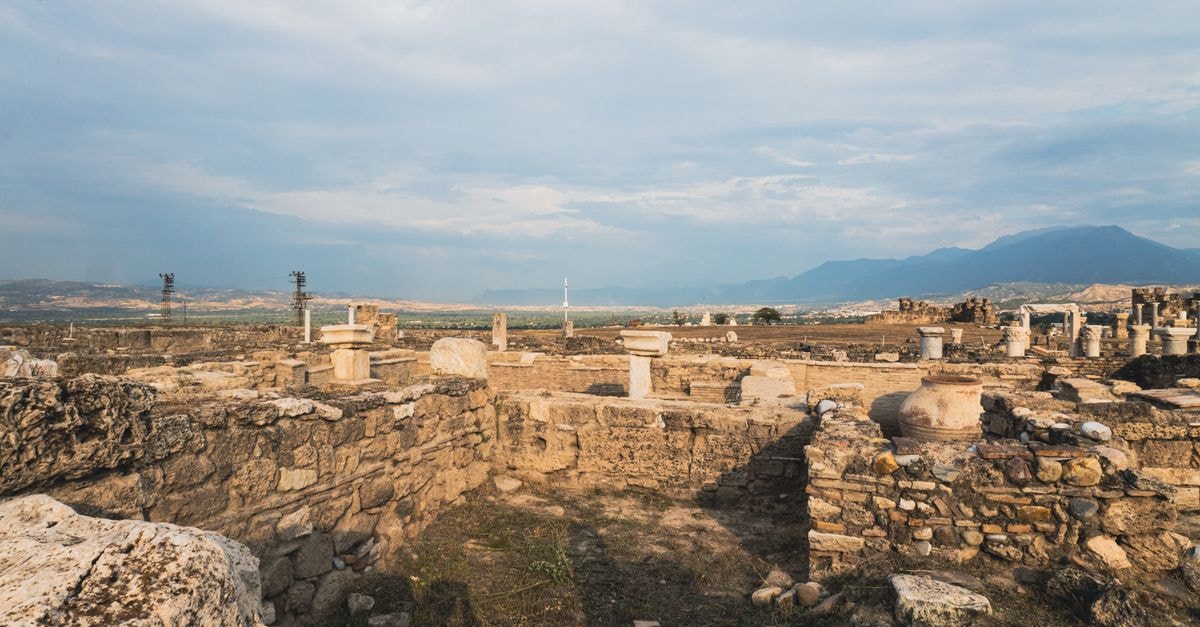
The ancient settlement of Malatya sits roughly 20 km from the modern city centre. That distance is worth knowing in advance: it means the older archaeological site is not something you can simply walk to after breakfast, and you will want to plan transport out and back rather than trying to fit it in as a casual stroll. Treat it as a dedicated half-day rather than an add-on.
Within the city itself, the contrast between the modern boulevards and the older quarters is part of the experience, and moving between them on foot lets you see how the city stitches its different eras together.
Heritage stops and how to plan them
Malatya's heritage layer is unusually rich for a city of its size, and the central sights are close enough that you can combine several in a single unhurried day.
The Silahtar Mustafa Pasha Caravanserai is one of the most distinctive stops. Caravanserais were built along old trade routes to shelter merchants and their animals, and this one reflects the long history of east–west travel through Anatolia. It rewards a slow look, both for its stonework and for the way it opens onto the surrounding streets.
From there, the Art Street of Malatya Old City threads together smaller galleries and workshops, giving the area a contemporary creative layer on top of its older fabric. A short walk leads to Poyraz Mansion, an example of the local residential architecture that hints at how wealthy merchant families once lived. The Ulu Mosque, with its larger prayer hall, anchors the religious heart of the old quarter and is usually a calm, welcoming space to step into. A little further afield, Arslantepe Mound is one of the most important archaeological sites in the region, with layers that stretch back thousands of years and a museum that puts the discoveries in context.
Rather than racing through these, the most enjoyable approach is to pick two or three for a given day, leave space for a long lunch and an afternoon tea, and let the rest of the heritage walk fill another visit. Eastern Anatolian cities tend to reward this slower pace, and Malatya is no exception.
Food and local context
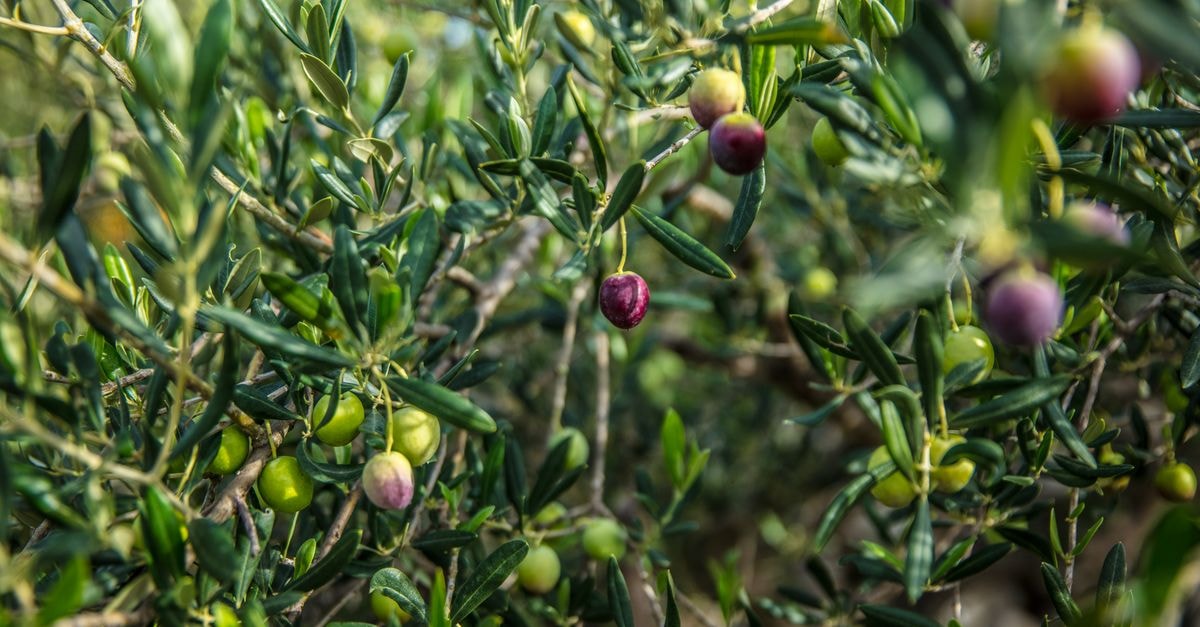
Malatya is widely known for its cuisine, and apricots in particular are central to how the city presents itself. Food habits in this part of the country are shaped by cultural, geographical, ecological and economic characteristics and by the long historical process of regional cooking. That wider context is worth keeping in mind: many of the dishes you encounter in Malatya sit within a broader Anatolian tradition that stretches from the Aegean to the eastern mountains, adapted to local ingredients and seasons.
Planning notes and practical reminders
A few small details help a trip go smoothly. Carry some Turkish Lira in cash for traditional tea gardens, smaller shops and tips. Keep a light layer handy for evenings, even after warm days. Plan the ancient Malatya site, 20 km from the centre, as a dedicated outing rather than a quick detour. And treat the heritage quarter as a walking district, with longer journeys reserved for taxis or minibuses.
Factual travel conditions can change, so it is always wise to confirm current opening hours, transport options and any local advice through official channels before you set out. Treat any currency figures, prices or transport timings you read here as reference points rather than guarantees, and check the live exchange rate on the day you change money.
Malatya rewards travellers who arrive without a packed schedule. With mountain air, layered history and a food culture rooted in the wider Anatolian tradition, the city offers a quieter, more textured version of Türkiye that is well worth slowing down for.
Share this article
TOOLS FOR THIS PLAN
Make the Malatya plan measurable
Choose a tool only when it answers the next question in your trip. Your values stay in the browser, and each tool offers a route back to this planning context.