A slow introduction to Ambositra
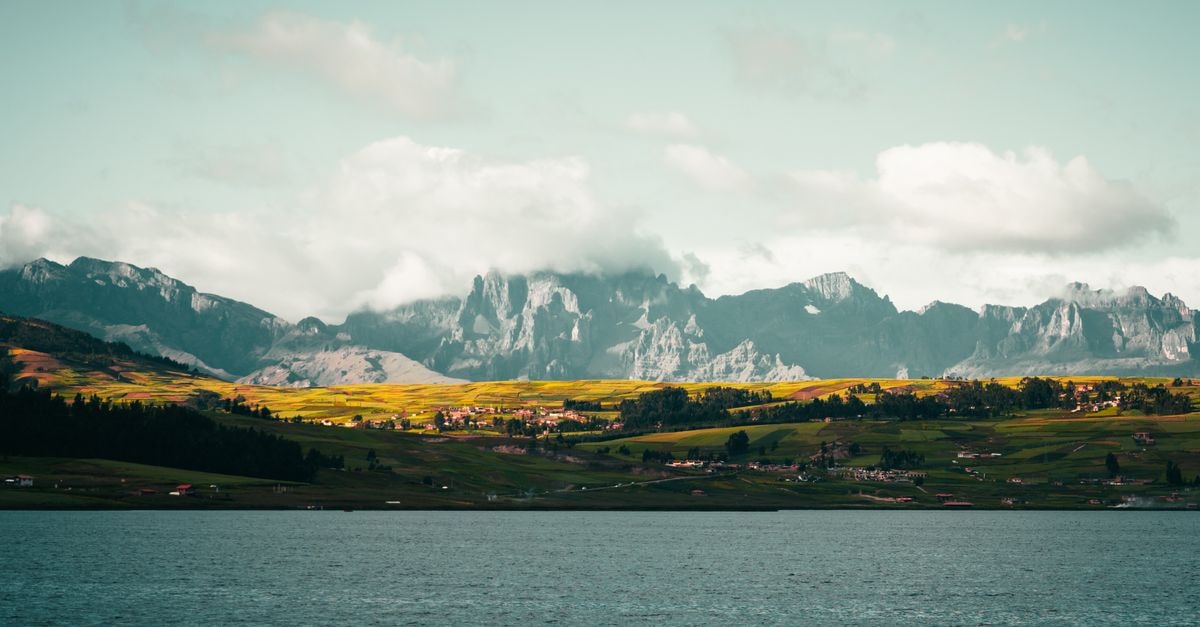
Tucked into the Amoron'i Mania highlands of central Madagascar, Ambositra has the feel of a town that rewards unhurried wandering. It sits among green ridges and pine-scented valleys, and its short colonial-era streets are easy to cover on foot. Most travelers arrive without a fixed plan, which can suit the mood of the place — there are a few sights to anchor a day, and the rest of the experience comes from the rhythm of the highland countryside and the small encounters along the way.
For visitors who appreciate craft towns, highland landscapes, and a quieter base between longer Malagasy journeys, Ambositra can be a gentle place to slow down. Independent travelers and curious wanderers may enjoy that it asks little of them beyond patience and a willingness to let the streets unfold.
Attractions and planning
The city's most recognizable landmark is the Cathedral of the Immaculate Heart of Mary — Cathédrale du Cœur Immaculé de Marie — which stands along the Rue de Commerce. It is one of the largest churches in Madagascar, and its scale gives the surrounding highland streets a sense of gravity. For travelers with an interest in religious architecture or colonial-era town planning, the cathedral can anchor a slow walking loop through the center, paired with stops at small local shops and the everyday life of the Rue de Commerce.
Visitors who prefer light, single-site sightseeing over packed itineraries may appreciate that the cathedral can be experienced without a long commitment. If your interest is in one architectural landmark rather than a checklist of museums, this is a city where a single focused stop can shape the whole day.
Outside that central sight, the practical value of Ambositra is well established in the wider travel ecosystem: a Lonely Planet 2020 Wikivoyage travel guide for Ambositra exists, which signals that the town has enough infrastructure and interest to be covered in a recognized independent travel reference. Travelers who like to pair their own wandering with a published point of view can use such a guide as a companion, while still leaving room for their own discoveries along the highland streets. Because guidebook editions can shift, it is worth checking that any printed or digital reference you bring is the most current version before you rely on it.
Food and local context
Ambositra sits inside a much wider Malagasy food culture, and a few nationwide threads are worth understanding before you sit down to eat. Madagascar food culture is shaped by traditional dishes, dining customs, and culinary experiences that vary by region, and travelers will find that meals tend to unfold at their own pace rather than on a tight restaurant timetable. Knowing this in advance can ease the experience of eating out, especially for visitors used to faster service.
One traditional dish that defines Madagascar's culinary heritage and that visitors are likely to see on local menus across the country is ravitoto sy henakisoa: pounded cassava leaves stewed with fatty pork belly until both melt into an almost-black, rich mixture. It is hearty, deeply savory, and very characteristic of home-style cooking. Travelers who enjoy slow-cooked, rustic stews and want to engage with local flavor may want to try this plate when it appears, while those who prefer milder or vegetarian-leaning food may want to ask in advance about alternative side vegetables or rice accompaniments. Because the country's cuisine leans on pork and on slow-simmered flavors, visitors with strict dietary preferences may find it useful to confirm ingredients before ordering.
In Ambositra, those broader Madagascar food customs are part of the everyday backdrop rather than a special feature of the town itself. Treat what you eat as a window onto the wider island's table, and let the cathedral walk and the surrounding highland air round out the day.
Choosing what fits the trip
A short, evidence-led visit to Ambositra can work for travelers who want one strong architectural sight, a slower pace than a capital city, and a taste of the wider Madagascar table. It may suit independent travelers who are already moving through the highlands and who want a compact stop rather than a full week of urban sightseeing. If your priority is a long list of museums, nightlife, or beach access, this small highland town is probably the wrong fit, and you may want to weigh that before committing travel days here. Plan around a short walking loop from the cathedral, leave space for unhurried encounters along the Rue de Commerce, and treat any wider Madagascar dishes you try as part of the journey rather than a checklist.
Before you go
A few practical realities are worth flagging. Because Ambositra is a small highland town, the services visitors rely on can shift over time; specific opening hours, prices, transport timetables, and the availability of particular guided tours are best confirmed locally or through an official tourism office shortly before you travel. Factual details around any city — from menus to ticket availability — can change, and official channels should always be checked before departure.
Share this article
TOOLS FOR THIS PLAN
Make the Ambositra plan measurable
Choose a tool only when it answers the next question in your trip. Your values stay in the browser, and each tool offers a route back to this planning context.