A river town with a gentle pace

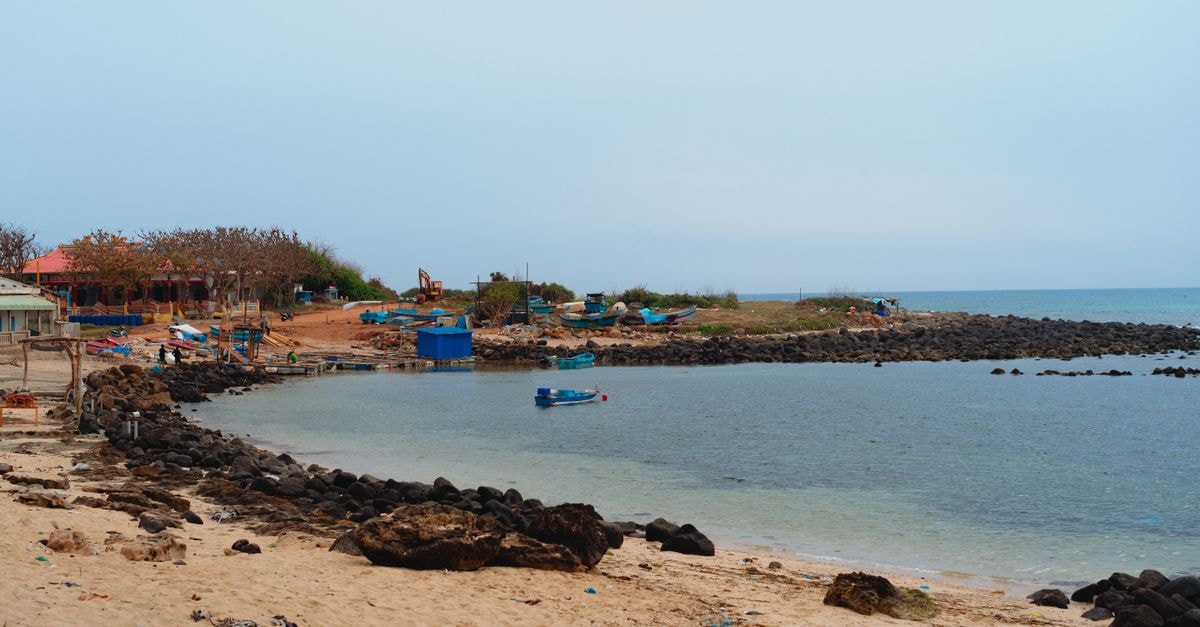
Maevatanana sits along the Ikopa River in the Betsiboka region of Madagascar, a small inland settlement. The city is officially known as Maevatanana II, and the nearest town listed on regional references is Ambatoboeny, around 75 kilometers away. For travelers who arrive curious about everyday Malagasy life away from the more trodden coastal circuits, Maevatanana offers a slow rhythm: a low-altitude riverside setting, warm air, and a chance to experience a quieter corner of the country.
The appeal here is largely atmospheric. You are not arriving for a packed list of marquee sights; you are arriving for the feel of a regional hub where the river shapes daily movement and where conversations tend to unfold under a hot sky. Visitors who appreciate unhurried stops, river settings, and a chance to observe local routines often find this kind of town rewarding.
Weather and seasonal context
Maevatanana's climate is shaped by its low altitude and inland position along the Ikopa River, which gives the city a warm, steady feel throughout the year. There are no dramatic seasonal swings documented in city-level sources, so visitors should plan for heat rather than temperature surprises.
If you prefer to pace yourself in warm conditions, the practical move is to treat the day like a layered experience: schedule any outdoor walking early, take a long, shaded break in the middle hours, and return to the streets and riverbank as temperatures soften toward evening. Lightweight clothing, refillable water, and sun protection are sensible companions. Travelers sensitive to heat may want to plan multiple short outdoor moments rather than one long midday outing, simply because the warm climate can feel persistent rather than brief.
Because city-level weather evidence here does not describe specific monthly temperatures or rainfall patterns, it is worth checking a current forecast closer to your trip, particularly if river conditions or local travel routes factor into your plans. The river itself is part of what defines Maevatanana, so asking locally about recent water levels and crossing conditions before setting out is a reasonable step.
Food and local context
Madagascar's food culture is one of the most distinctive in the region. Across the country, meals tend to be hearty, rice-led affairs, and many of the most traditional dishes are slow-cooked stews built around greens, broth, or fatty cuts of meat. Eating is generally communal, and portion sizes are typically generous.
Wider Malagasy context that visitors may encounter while in Maevatanana includes ravitoto sy henakisoa, a stew made by pounding cassava leaves and simmering them with fatty pork belly until both the greens and the meat soften into a rich, almost-dark mixture. It is one of the country's most recognized traditional dishes and is often eaten alongside rice. Travelers who enjoy slow-cooked, deeply savory flavors tend to appreciate this style of cooking; if you prefer lighter or more familiar flavors, consider easing in by sampling small portions first and pairing dishes with plain rice.
Beyond a single signature dish, Madagascar's wider food culture rewards curiosity. Local staples often center on rice accompanied by a vegetable side and a protein, whether meat, fish, or legumes. Markets and small eateries in regional hubs like Maevatanana are good places to observe what is in season and what families are cooking that day. If you have specific dietary needs, pointing to ingredients rather than finished dishes, and asking in advance about how a plate is prepared, is a useful approach.
Because the available food evidence describes Madagascar-wide traditions rather than city-specific menus, it is worth confirming directly with your accommodation or a local contact which dishes are currently being served and which ingredients are in season. Menus in smaller inland towns can shift with supply, and what is on the table one week may differ the next.
Choosing what fits the trip
Maevatanana suits travelers who are comfortable with a quieter, slower trip and who are curious about everyday regional life rather than a packed sightseeing schedule. If you enjoy warm climates, river settings, and unhurried evenings, the town's pace will likely feel like a feature rather than a limitation. If your ideal trip includes long lists of formal attractions, ticketed experiences, or a dense daily plan, you may want to balance a Maevatanana stop with time elsewhere. The food traditions you encounter here are part of the wider Malagasy table, so travelers who appreciate slow-cooked, rice-led meals will find familiar ground, while those who prefer lighter or more varied menus may want to pace their culinary exploration gradually.
A note before you go
Factual travel conditions can change, and it is worth checking official channels and local contacts before departure for the latest information on weather, river crossings, transport availability, and any services you plan to rely on. Treat this guide as a starting point for understanding the feel of Maevatanana rather than a fixed itinerary, and let the rhythm of the town shape your days once you arrive.
Share this article
TOOLS FOR THIS PLAN
Make the Maevatanana plan measurable
Choose a tool only when it answers the next question in your trip. Your values stay in the browser, and each tool offers a route back to this planning context.