Amman at a Glance

Amman has a way of catching first-time visitors off guard. Many travelers arrive thinking of the Jordanian capital as a transit point on the way to somewhere else, a quick stopover between the airport and a longer headline destination. Then they step into the hills and realize the city itself has plenty to say.
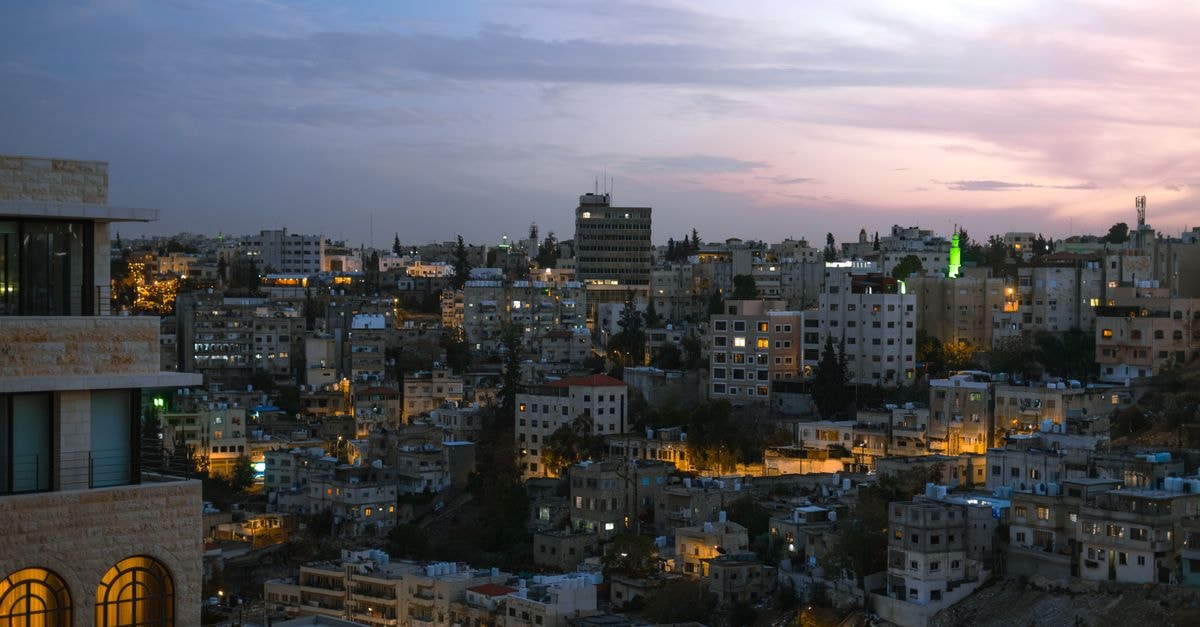
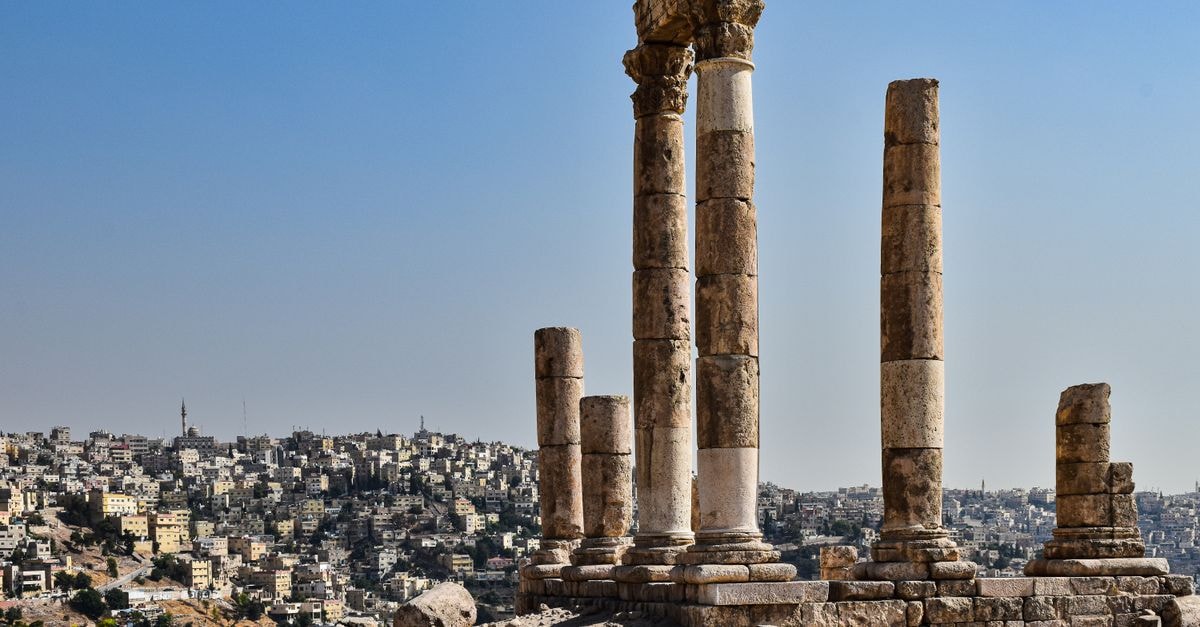
This is one of the world's oldest continuously inhabited cities, and that depth shows up everywhere, not just in the famous landmarks but in the texture of daily life. Ancient ruins sit comfortably alongside apartment blocks, mosques share skylines with cafés, and the call to prayer drifts across neighborhoods that feel distinct from one another. The result is a place where history and modern life seem to coexist without competing.
What makes Amman especially rewarding is the sense of layered geography. You don't need to walk far to feel that you have moved between chapters of a story. One block might feel like a busy market quarter, another like a quiet arts district, another like a polished new development. Rather than racing through on a checklist, slowing down and reading those shifts is often the most memorable part of a visit.
Neighborhoods Worth Letting Unfold
Amman's neighborhoods are genuinely diverse, and that diversity is one of the city's quiet superpowers. Each area carries its own cultural and historical mood, which means a short walk can feel like a small journey.
Downtown has the classic hustle and bustle of the central markets. It is busy, loud in places, and full of the energy you would expect from a working city center. Shoppers, office workers, students, and families all move through here, and the atmosphere feels rooted in everyday life rather than set up for visitors. For travelers who enjoy street-level scenes, it is a rewarding place to simply be in.
Then there is Jabal Al Lweibdeh, a hillside neighborhood known for its creative side. Galleries and small cultural spaces give this part of town an artsy, lived-in feel. Walking its streets often feels less like sightseeing and more like browsing an open-air neighborhood, where stairways and slopes lead to quiet corners and unexpected views.
For a very different mood, the modern shopping district of Abdali offers a more polished experience. Wider streets, newer buildings, and contemporary retail give it a big-city energy that contrasts nicely with the older quarters. Spending time in both old and new Amman within the same afternoon is one of the easiest ways to feel the city's full range.
Getting Around the City
Amman has the kind of public transport that locals actually use, which is often the most authentic way to feel a city. The bus network runs through many of the central neighborhoods and offers a grounded, everyday way to move between districts.
For travelers, that bus network is worth approaching with curiosity rather than hesitation. It can be an opportunity to share space with commuters, students, and families going about their day, and to see how the city stitches itself together at street level. Riding a local bus in Amman tends to feel less like a tourist activity and more like a small act of arrival.
Because the city is spread across several hills, factoring in some extra time for movement between neighborhoods is simply part of the rhythm. A relaxed pace, rather than a tight schedule, tends to suit the geography. Evenings are often a pleasant time to be out, when cooler air settles into the streets and the city feels especially social.
Letting the City Set the Pace
One of the most useful things to know before arriving in Amman is that it rewards a slower approach. The mix of old and new across its hills is easy to miss if you are hurrying between headline sights. Giving yourself permission to wander, pause for tea, stop at a viewpoint, or follow a street just because it looks interesting often leads to the moments that stay with you after the trip.
The cultural depth here is not hidden, but it is subtle. It shows up in the way neighborhoods change character block by block, in the sound of different quarters at different hours, and in the unhurried hospitality you encounter in small shops and cafés. Travelers who leave room for that texture usually find that Amman offers far more than they expected.
Practical Notes for Visitors
A few light, durable pieces of guidance tend to help any visit feel smoother:
- **Layered days feel natural here.** Because the city spans so many moods, planning loosely by neighborhood rather than by strict timetable usually works better than packing each hour. - **Public transport is part of the experience.** Amman's bus network is a genuine, buzzing part of urban life and a comfortable way to cover ground, especially between central districts. - **Walking reveals the transitions.** The shifts between downtown, the artsy hillside quarter, and Abdali are part of what makes Amman interesting, and they unfold best on foot.
These are gentle suggestions rather than hard rules, and they are meant to leave space for the unplanned moments that often end up being the most memorable.
A Final Thought
Amman is the kind of city that grows on you quietly. The first impression might be traffic, hills, and a sense of organized chaos, but spend even a couple of days moving between its neighborhoods, riding its buses, and watching the light change across its stone, and a much fuller picture emerges. It is a place that asks you to slow down and rewards you richly when you do.
*Travel conditions can change, and details such as transport routes, neighborhood layouts, and local services evolve over time. Checking official channels before departure is always a sensible final step.*
Share this article
TOOLS FOR THIS PLAN
Make the Amman plan measurable
Choose a tool only when it answers the next question in your trip. Your values stay in the browser, and each tool offers a route back to this planning context.