Setting the scene in Zarqa

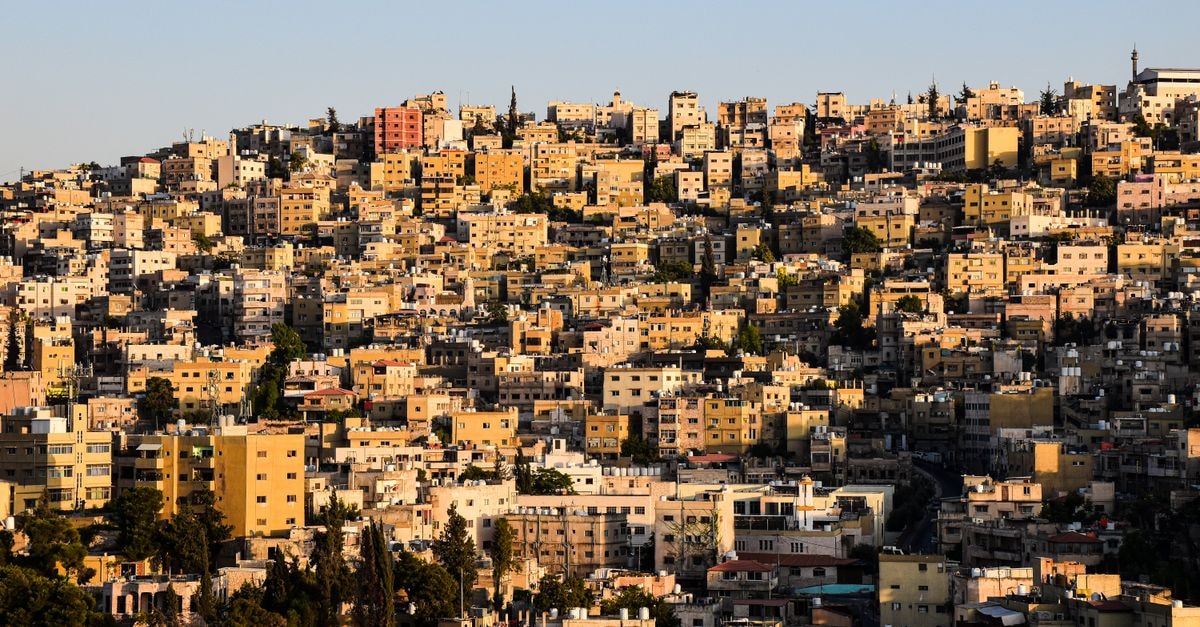
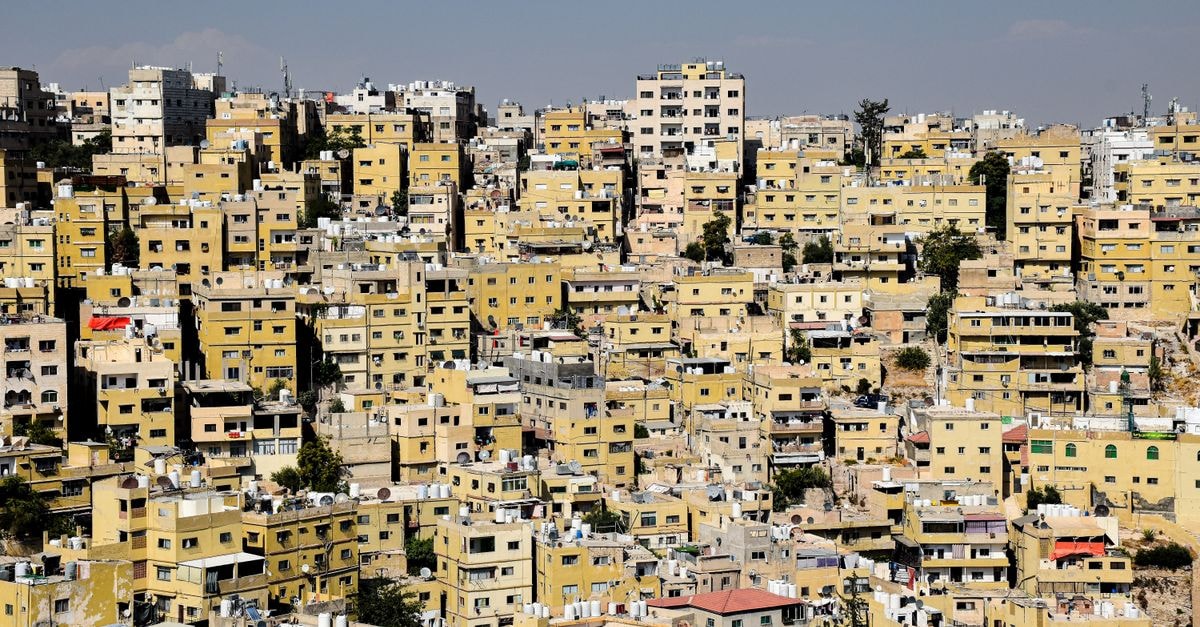
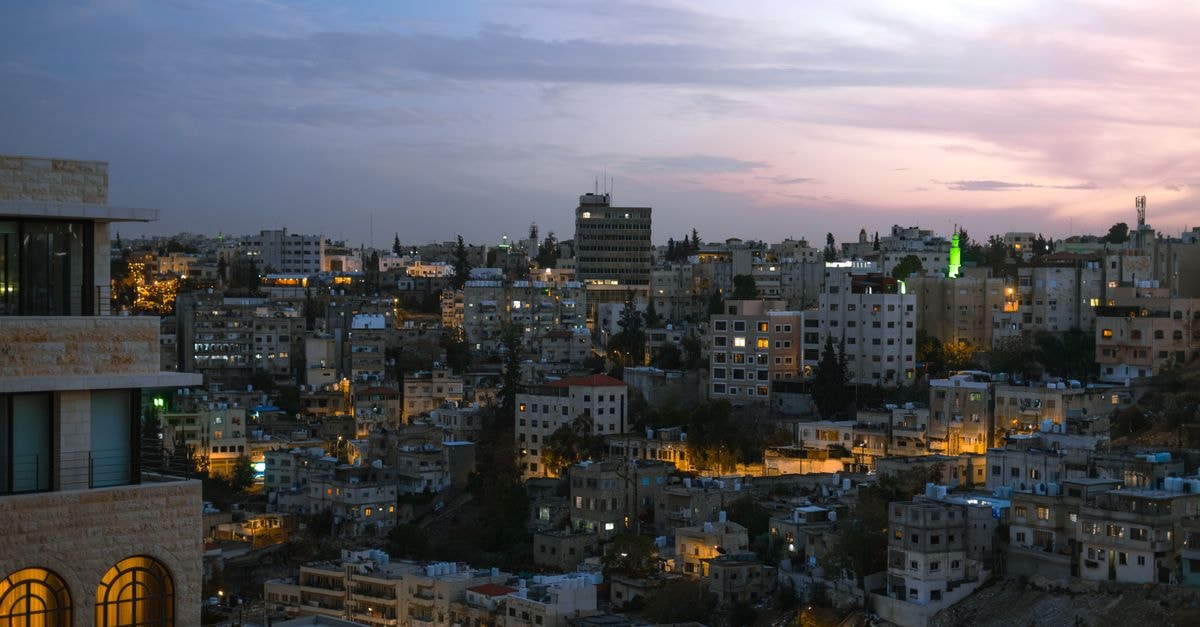
There is a particular kind of hum that settles over a city once you step past its outer intersections, and Zarqa carries that hum proudly. Sitting roughly twenty kilometers northeast of Amman, this is the capital of the Zarqa Governorate and Jordan's third-largest urban settlement, now folded into the wider sprawl that fans out from the capital. Travelers who arrive expecting a polished tourist circuit will find something quieter and more honest instead: a working city that pulses with commerce, traffic and the rhythms of daily Jordanian life.
Zarqa is often described as a destination that offers visitors an authentic taste of Jordanian life, and that framing is useful to carry with you. Where Amman leans into its layered tourist identity and Petra draws visitors for its ancient carved facades, Zarqa feels rooted in modernity while still preserving a cultural thread that visitors can read on the street. The reward for coming here is less a checklist of monuments and more a feel for how a major industrial center actually breathes.
Getting around
If you are planning a visit, the first thing to settle in your mind is scale. Zarqa is part of the ever-growing urban sprawl that extends from Amman, which means it does not behave like a small town you can stroll in an afternoon. It is a substantial settlement, and it carries that weight in the way its streets fill and empty through the day.
The city is also highly industrial and traffic-heavy, so a sensible rule of thumb is to avoid driving during rush hours, especially on the highway connecting to Amman. That corridor is the main artery linking Zarqa to the capital, and it can compress quickly when commuters and freight move at the same time. Travelers arriving by private car or driver will get the most out of their day by timing crossings for mid-morning or later afternoon stretches rather than the thick of the working rush.
One additional layer of context is useful here. Zarqa is home to more than half of Jordan's factories, which goes a long way toward explaining the steady hum of trucks, shift workers and commercial traffic. From bustling markets to historical landmarks, Zarqa unfolds as a vibrant urban center, echoing with the beats of everyday life, and that everyday rhythm is something you can plan around. Build in buffer time, expect the unexpected, and let the city move at its own pace.
Weather and seasonal context
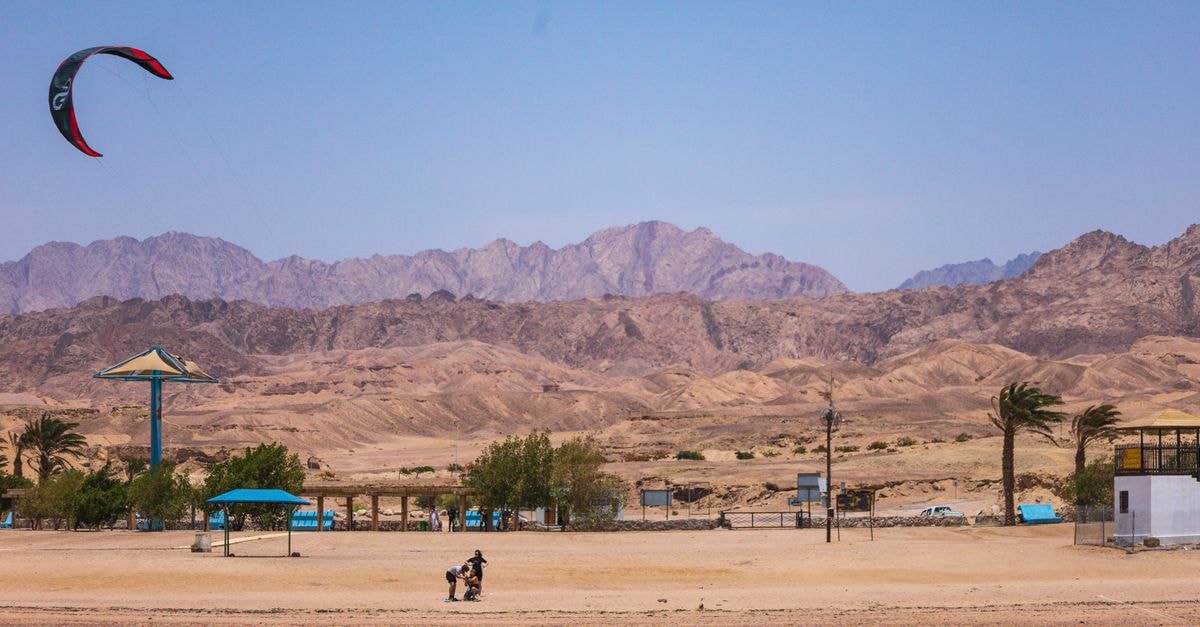
Zarqa's climate sits within the wider Jordanian pattern, where summers can feel long and dry and the sun has real bite during the middle of the day. If you are walking between sights, the simple travel advice is to pace the day differently: ease into mornings, take a long midday break in shade or indoors, and return out once the light softens. Without a specific source for current conditions in any given month, that rhythm is the most reliable way to keep your energy steady.
Hydration is part of that same puzzle. Carrying water, planning shade, and being realistic about how far you can comfortably walk between stops will do more for your day than any single attraction. Zarqa rewards visitors who treat the climate as part of the experience rather than something to push through.
Attractions and planning
Zarqa's pull is not a parade of headline monuments. It is a working city with a clear identity, and that shapes how you plan a visit. The capital of the Zarqa Governorate sits about twenty kilometers northeast of Amman, so travelers using the capital as a base can comfortably spend a portion of a day here, either as a stop on the way somewhere else or as a focused window into a different side of Jordan.
Public cultural life does surface here. Past local exhibitions and community events in the city have drawn a large audience of locals who actively engaged with the activities, which is a useful reminder that the city has its own cultural calendar beyond tourism. If you are flexible with timing, checking what exhibitions, markets or community events are running around your visit can turn an ordinary day into a more textured one. That kind of local programming is often where Zarqa feels most itself.
Because the city is not set up as a tourist showcase, the practical move is to come with curiosity rather than a tight itinerary. Give yourself permission to wander, to pause at a market corner, and to let the city's working character come through. Treat the visit as an extension of understanding modern Jordan, and Zarqa delivers exactly what it promises: a real, lived-in sense of the country.
A few practical notes before you go
A short list of grounded reminders tends to help more than a long checklist, so here is what the available guidance actually supports.
- Plan your Zarqa–Amman crossings outside rush hour, particularly if you are driving or being driven along the main highway. - Dress conservatively and respectfully, both for cultural reasons and because the city's everyday character expects it. - Expect industrial and heavy traffic; build in time, especially if you are connecting to flights or onward travel from Amman. - Use the visit as a chance to read a different side of Jordan, one shaped by factories, markets and commuter rhythms rather than ancient stone.
Where prices, opening hours or bookable experiences are concerned, treat them as details worth confirming with official channels before you set out. Travel conditions shift, and what is current at publication can change by the time you arrive. A quick check with your accommodation, transport provider or local contact will keep your plans honest.
Final thought
Zarqa is not the Jordan of postcards, and that is precisely the point. Visitors who arrive curious and leave room for the city's everyday character tend to come away with a more complete picture of the country. Treat the rush-hour traffic with respect, dress for the place as much as for the climate, and let the markets and the working streets tell their story. Done that way, a stop in Zarqa adds something genuinely useful to any wider Jordan itinerary.
Share this article
TOOLS FOR THIS PLAN
Make the Zarqa plan measurable
Choose a tool only when it answers the next question in your trip. Your values stay in the browser, and each tool offers a route back to this planning context.