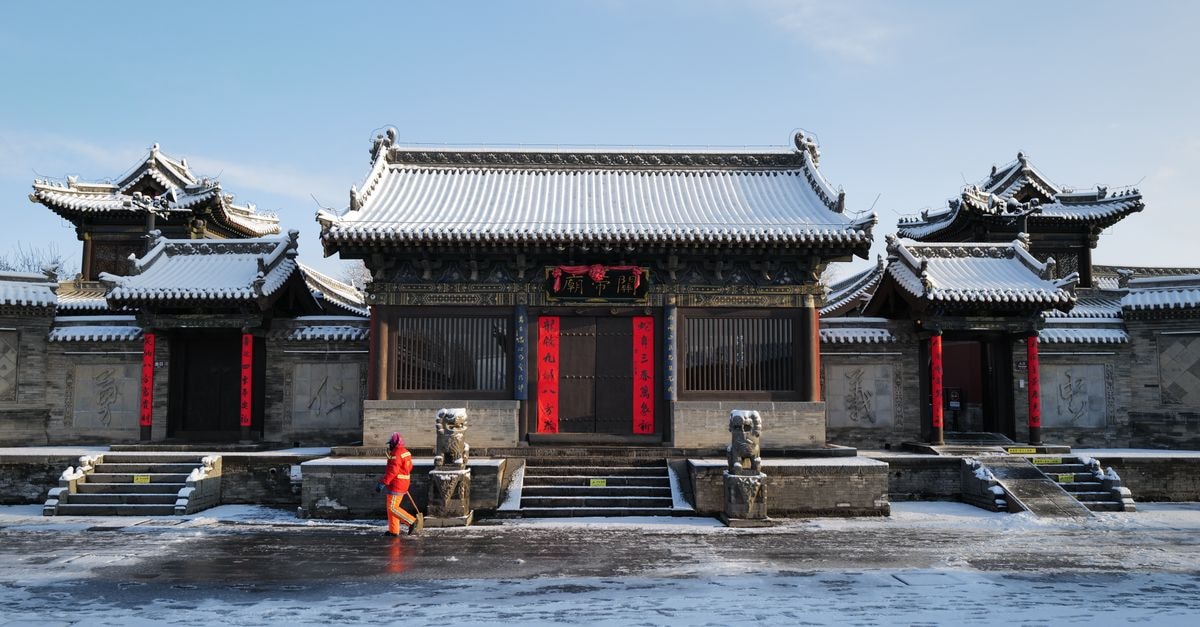
A city shaped by steel, rooted in the northeast

Anshan has a presence that stays with you long after the train pulls away. Sitting in the central belt of Liaoning Province in northeast China, this prefecture level city carries the energy of an industrial powerhouse alongside the quieter charms of a regional Chinese urban center. Travelers who arrive expecting nothing more than factories will be pleasantly surprised; those who come curious about how an industrial identity can coexist with everyday life in modern China will find plenty of texture to explore on foot. With a location roughly 92 km south of Shenyang, Anshan is geographically well placed for anyone linking a northeastern route through Liaoning, and it rewards visitors who slow down enough to read its layered character.
The city's identity is anchored in its steel heritage. Anshan is widely recognized as the largest iron and steel industry city in northeast China, a status that has shaped its skyline, its working rhythm, and its sense of regional pride. That industrial scale gives the city a confident, forward-facing feel, while the surrounding Liaoning landscape keeps things grounded and distinctly northeastern in atmosphere. For travelers used to the soft pace of southern China, Anshan offers a refreshing change of texture.
Weather and seasonal context
Anshan's location in central Liaoning means it shares the broader climatic personality of northeast China, where summers tend to be warm and bright and winters can feel brisk. Because weather conditions shift year to year, a traveler planning any visit should think in terms of layering rather than packing for a single temperature. A light jacket is useful in transitional periods, while summer visitors typically appreciate breathable clothing and a refillable water bottle. The city's industrial scale can also shape how a day outdoors feels, especially around busy districts where activity stays high through the warm hours.
For anyone sensitive to heat, planning the midday walk indoors and saving open-air exploration for the cooler parts of the day is a sensible rhythm. The general character of the northeast, where seasonal shifts are pronounced, rewards visitors who match their pace to the calendar and treat the climate as part of the experience rather than a backdrop.
Attractions and planning
Anshan is the third largest prefecture level city in Liaoning Province, a scale that means visitors can expect a developed urban core with shopping streets, public squares, and a transport network that ties the city to neighboring destinations. Its position about 92 km south of Shenyang, the provincial capital, makes it a natural complement to a wider Liaoning itinerary. Trains and intercity buses connect Anshan to Shenyang and other parts of the province with reasonable frequency, and travelers commonly use Anshan as either a focused stop or a waypoint on a longer northeastern loop.
Within the city, the industrial heritage that defines Anshan is part of what visitors notice first. The scale of the iron and steel industry has left a visible mark on the urban landscape, and travelers with an interest in modern Chinese industry often find the city's working character genuinely compelling. Beyond that signature identity, Anshan offers the everyday pleasures of a regional Chinese center: local markets, parks, and neighborhood food streets where daily life plays out at a comfortable pace. Visitors who enjoy walking a city to absorb its atmosphere tend to find Anshan rewarding, especially in the early evening when streets fill with residents heading out for dinner and a stroll.
Because Anshan is a prefecture level city rather than a small town, it has the infrastructure to support a comfortable independent stay: hotels in several price brackets, restaurants serving regional Liaoning flavors alongside wider Chinese staples, and public transport options that make getting around straightforward. Travelers who plan a stay of a few days usually find they can settle in quickly without the logistical friction of a more remote destination.
Food and local context
Eating in Anshan follows the wider currents of Chinese dining culture, a tradition where food sits at the heart of social life and everyday ritual. China is widely recognized as a country with a long history of ritual and etiquette, and dining has developed a strong cultural weight across regions. Visitors to Anshan will notice this especially in the way meals are shared, in the patience given to tea and conversation, and in the unhurried rhythm that often accompanies a northeastern table.
China's culinary landscape is also one of the world's most varied, and Chinese people are known for taking real pleasure in eating well. In Anshan, that nationwide passion translates into hearty northeastern flavors that lean toward warming dishes, wheat-based staples like noodles and steamed buns, and the kind of generous portions that suit cool-climate appetites. Travelers who sit down at a local restaurant will likely encounter menu choices that reflect both Liaoning regional cooking and broader Chinese favorites, making the city an easy place to eat well without prior knowledge of the menu.
A wider point worth absorbing before dining anywhere in China is the role of etiquette at the table. Across the country, dining customs carry a long historical lineage, and small gestures like waiting for the host to begin, offering tea to elders, or sharing dishes family-style are part of how meals unfold. Visitors who observe these rhythms tend to find their experience warmer and more connected. In Anshan, where the city's industrial population gathers around shared tables after a working day, that sense of communal eating is part of the cultural texture visitors will likely encounter.
Practical notes for independent travelers
Anshan works well as a self-guided destination for travelers who are comfortable navigating Chinese cities with the help of a translation app, a rail pass, or a bit of pre-planning. The city's status as a prefecture level center means that signage, transit, and accommodation are generally set up for independent visitors, and the relatively short distance from Shenyang makes it easy to combine with other Liaoning stops if a wider itinerary is in mind.
A modest daily budget typically covers local meals, public transport, and casual sightseeing, though rates vary with personal choices and the season. Travelers should treat any budget figure as a planning reference rather than a fixed rule, since prices shift over time and personal spending habits differ.
A short checklist that tends to serve independent visitors well in Anshan:
- Carry a translation app ready for menus and signage - Keep small bills and mobile payment options for smaller vendors - Plan hotel stays near the central urban area for easier walking access - Allow flexibility for exploring beyond the main commercial streets
A final note on verification
Anshan's character, size, and regional identity are stable facts that shape any visit, but travel conditions such as transport timetables, weather, opening hours, and service availability can change. Before departure, checking official channels and current listings is the safest way to confirm details for the dates of any specific trip. Treat this guide as a foundation for understanding the city, and refresh the practical details closer to travel.
Anshan is not the loudest stop on a northeastern itinerary, but for travelers drawn to working cities, regional food, and the everyday rhythm of central Liaoning, it offers a memorable and grounded visit.
Share this article
TOOLS FOR THIS PLAN
Make the Anshan plan measurable
Choose a tool only when it answers the next question in your trip. Your values stay in the browser, and each tool offers a route back to this planning context.