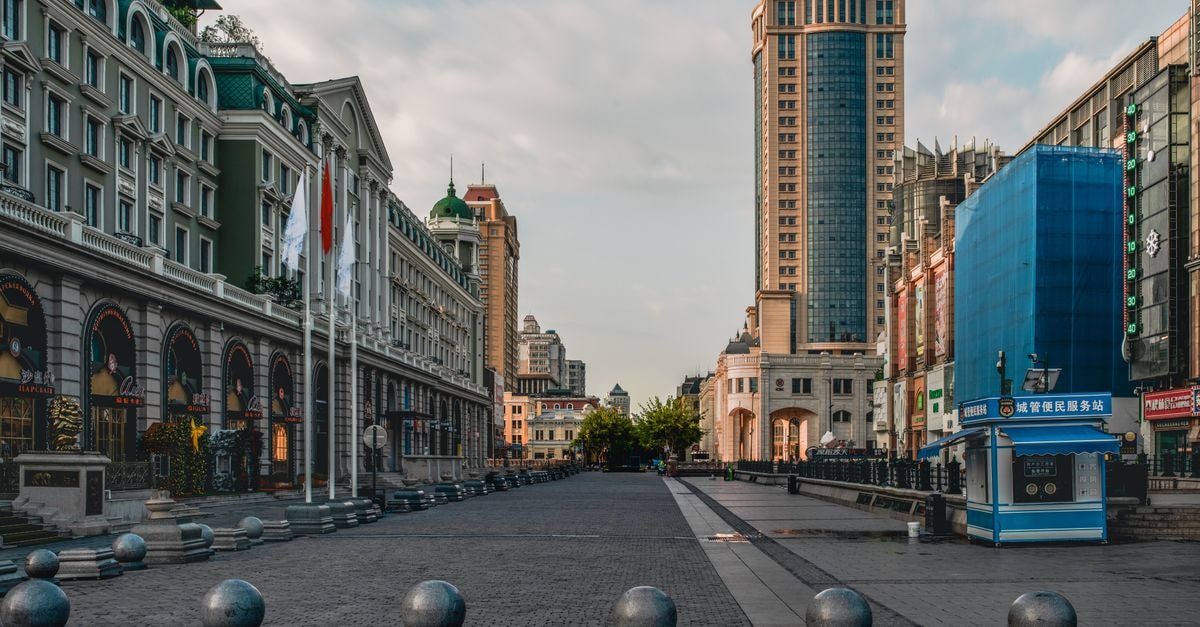
A city that measures time in dynasties

There’s a particular kind of quiet that settles over places where history has been pressing down for a very long time. Liaoyang, in the central part of Liaoning Province in Northeast China, carries exactly that hush (F2-1, F4-1). Travelers who arrive expecting a glossy skyline tend to find something more interesting instead: a city described as one of the oldest in the region, often framed as a living bridge between an ancient past and a developing present (F2-2, F4-2). For visitors who love depth over dazzle, that framing alone is reason enough to come.
What makes Liaoyang especially appealing as a stop on a wider Chinese itinerary is its layering. Wikivoyage and other regional references describe it as an ancient city whose history stretches back over two millennia (F4-2, F5-2). That kind of timescale reframes a short visit: even a brief wander begins to feel less like a checklist and more like a slow thumb through a very old book. The geography only adds to the texture. Set between the Eastern Liaoning Mountains and the broad Liaohe Plain, the city sits in a landscape that softens the line between cultural sightseeing and simply being outdoors (F4-1).
This guide leans into that slower rhythm. The sections below focus on the kind of practical, grounded context that makes the trip feel more like an unhurried conversation than a rushed itinerary.
Weather and seasonal context
Letting the climate set the tone is often half the pleasure of traveling in Liaoyang. The approved factual evidence for this guide is anchored to the city’s geography and historical character rather than to specific short-term temperatures (F2-1, F2-2), so the most responsible framing here is gentle and evergreen. In Liaoyang’s stretch of central Liaoning, the year generally moves from cold winters into warm summers, and the mountains to one side and the Liaohe Plain on the other both have a way of making the air feel different depending on where you happen to be walking (F4-1).
For travelers planning a visit, that often translates into a few simple habits. Mornings can feel brisk even when afternoons are generous, so layering is your friend. The mountains give the city its breezes, and the open plain lets the sun reach into streets and parks that reward slow walking. Rather than chasing a specific calendar window, it helps to think of Liaoyang as a city you experience best by pacing yourself: a slightly earlier start, a relaxed lunch, and a longer golden-hour walk tend to suit the terrain far better than a sprint.
Because this section rests entirely on general city-level descriptions rather than fresh readings, the most honest guidance is simply to check the short forecast closer to your trip and to pack for a day that can swing from cool shade to warm pavement. The goal is to arrive ready for anything the Liaoning climate decides to offer.
Getting around
Moving through Liaoyang is part of what makes the city feel approachable. Positioned in the center of Liaoning Province, with the Eastern Liaoning Mountains on one side and the Liaohe Plain on the other, the city has a layout that’s easy to read on a map and forgiving on foot (F4-1, F5-1). Most of the appeal sits within short distances of each other, which suits travelers who like to wander without committing to long taxi rides between every stop.
Because Liaoyang is described as an ancient city with a history going back over two millennia, many of its attractions cluster around the older heart of town (F4-2, F5-2). That geography is a quiet gift: it means a single morning or afternoon on foot can move you between several landmarks without the friction of transfers. A relaxed walking pace, with periodic pauses for tea or a snack, fits the mood of the place and matches the way the city’s history has been laid down over centuries.
For travelers staying just a night or two, the practical approach is to think in small loops rather than long cross-town plans. Choose a base near the historic core, sketch a rough circle for the morning and another for the afternoon, and let the elevation shift between plain and foothills guide you toward the city’s more scenic fringes. The mountains and the plain both serve as gentle mental landmarks, helping you orient yourself even when the streets don’t always look quite the way an online map suggests.
Food and local context
Eating in Liaoyang sits inside a much larger story about how China approaches cuisine. Travel China, the official tourism site of the country, frames the experience as going well beyond sightseeing — touching intangible crafts, street life, ritual, and food as part of one heartfelt cultural layer (F6-1, F6-2). For a visitor, that means meals aren’t simply refueling stops. They’re one of the most reliable ways to feel a place.
The wider Chinese context helps anchor what you’ll find at the table. China is often described as home to one of the world’s greatest and most varied cuisines, with a deep love of eating woven into daily life (F7-1). Alongside that variety comes a long-running attention to etiquette and ritual, which is itself an important part of the experience (F7-2). Diners in Liaoyang are part of this larger conversation about how a meal is shared, ordered, and enjoyed.
A few travel habits follow naturally from this national picture. Letting a local companion or host help shape the order is often the most gracious path, since menus can be long and regional specialties vary. Communal dishes placed in the middle of the table are standard, so pacing yourself alongside everyone else is part of the rhythm. Tea is usually close at hand, and small toasts or warm welcomes are part of the texture of the meal rather than formal events. Whether you eat in a simple neighborhood spot or a more elaborate restaurant, the underlying customs tend to feel welcoming.
For travelers who like to learn through flavor, the most rewarding move is to treat each meal as a small cultural exchange: notice the pacing, watch which dishes arrive first, and ask gently about anything unfamiliar. Liaoyang’s food scene sits within this broader Chinese culture of eating with care, and curiosity is the easiest bridge into it.
How to make the most of Liaoyang
A few light habits tend to serve travelers well in a city this old. Wear comfortable shoes, because the historic core and the surrounding scenery reward unhurried walking more than rushing (F4-2). Build some breathing room into each day; a city that stretches across more than two millennia doesn’t need to be squeezed into twenty-four hours. And give the landscape its due — the Eastern Liaoning Mountains and the Liaohe Plain don’t just frame Liaoyang, they shape how the light, the air, and the pace of the city feel underfoot (F4-1).
Curiosity is the best companion here. Liaoyang rewards travelers who arrive ready to read the layers: the ancient history pressing up against the present, the mountains leaning toward the plain, and the everyday routines that quietly carry a long story forward (F2-2, F4-2, F5-2).
A quick note on facts and freshness
The factual background for this guide comes from general city-level sources describing Liaoyang’s location, long history, and place within Chinese food culture. Specific opening hours, ticket prices, transport timetables, and exact weather readings for any given day are best confirmed closer to your trip. Factual travel conditions can change, so official and local channels should be checked before departure for the most current details.
Prices, opening hours, schedules, reservation rules, and local conditions can change; verify them through official channels before departure.
Share this article
TOOLS FOR THIS PLAN
Make the Liaoyang plan measurable
Choose a tool only when it answers the next question in your trip. Your values stay in the browser, and each tool offers a route back to this planning context.