A first look at Aqaba

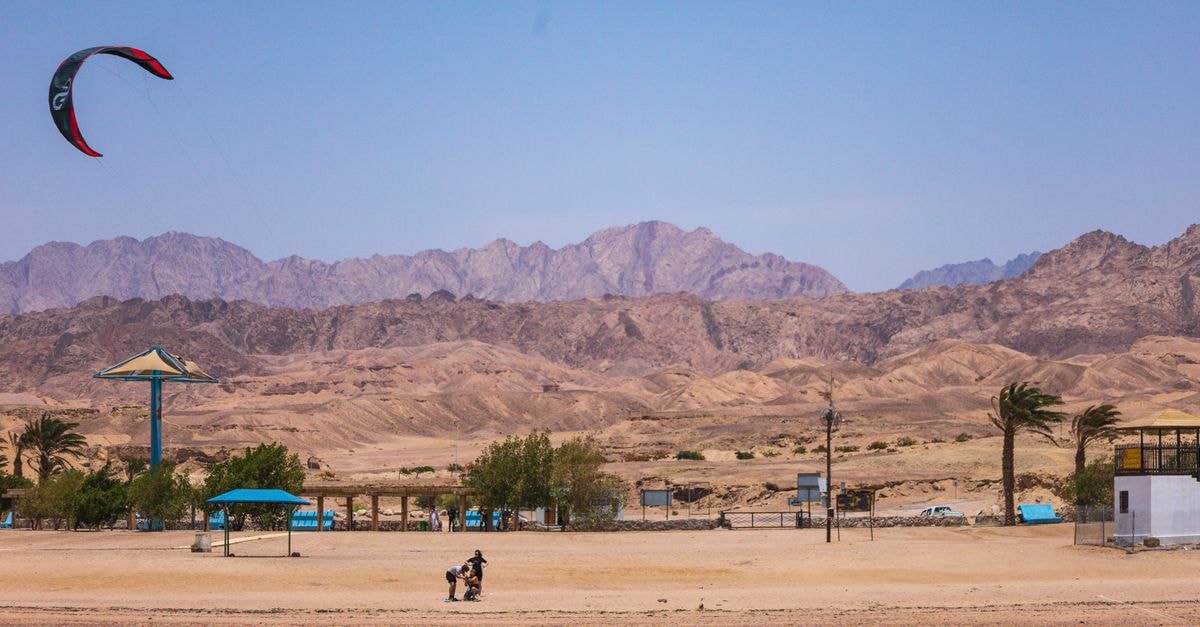
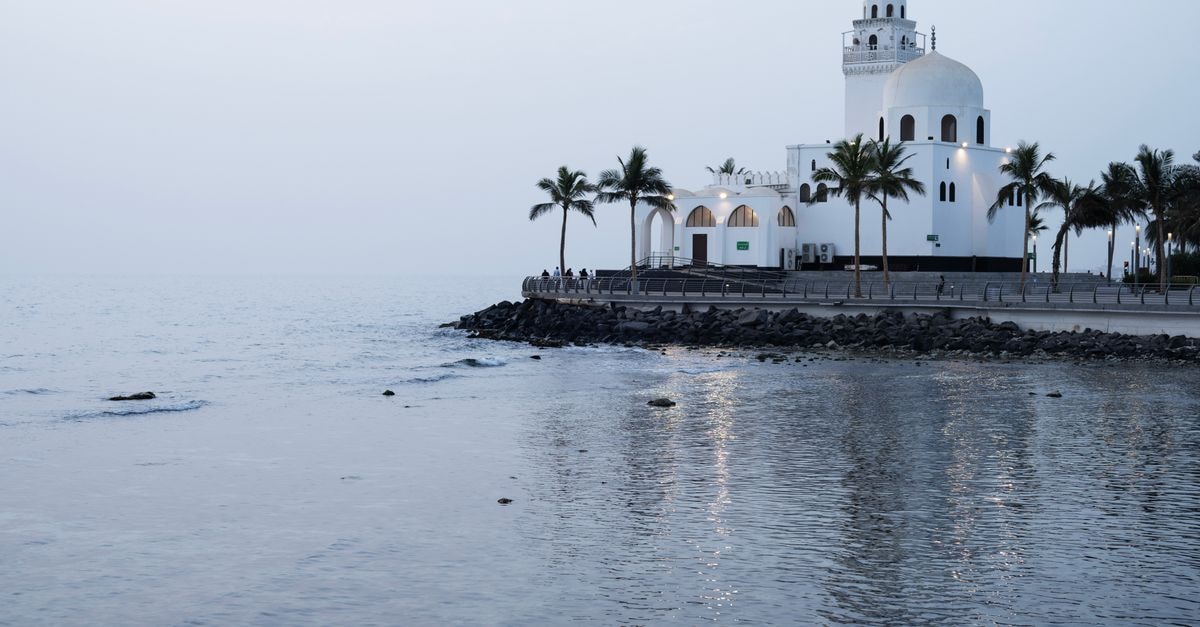
Set along Jordan's Red Sea coast, Aqaba rewards travelers who like their cities compact and salt-tinged. The waterfront hum, the gentle pace, and the layers of history all sit within easy reach, which makes it the kind of place where a short visit can still feel unhurried. This guide keeps the focus narrow and grounded: two of the city's notable heritage stops, the food stalls that anchor a local evening, and the small sweet traditions that round out a meal.
Heritage stops in the heart of the city
Aqaba carries centuries of layered history in a small footprint, and two landmarks make a natural starting point for any first-time visitor who wants context before heading to the corniche.
**Aqaba Fort**, also called Mamluk Castle, is a 14th-century fortress set in the heart of the city. Walking its walls offers an immediate sense of how old trade and coastal defense shaped this corner of Jordan. Because the fort sits centrally, it pairs naturally with a stroll through nearby streets and a slow walk toward the waterfront afterward.
**Aqaba Archaeological Museum** is the second must-visit historical landmark in Aqaba. It complements the fort nicely, giving travelers a quieter, indoor way to read the region's older chapters. The pairing works well as a half-day plan: fort first for the views, museum second for the stories behind them. Together, they give visitors a usable sense of place without requiring a long day of sightseeing.
The fish market as evening theater
If the fort and museum are Aqaba's daytime anchors, the Aqaba Fish Market is its evening pulse. The market buzzes with energy, and that buzz is half the experience — locals bargaining, vendors arranging the morning's catch, and the salty breeze threading between the stalls. It is the kind of place where the visit is as much about atmosphere as it is about what ends up on your plate at the next stop.
Travelers who want to get the most from a visit should treat the market as a slow loop. Walk the lanes once to take in the spread, circle back to the stall that caught your eye, and let the rhythm of the place set your tempo. Even travelers who are not particularly seafood-focused tend to enjoy the market for its color and conversation, and the proximity to the waterfront means it slots neatly into the end of a daytime itinerary.
What ends up on the table
Aqaba's food scene leans on the sea and on Jordan's wider sweet traditions, and the two come together in a way that feels both regional and personal.
**Date sweets** are a traditional way to finish a meal, and they remain a familiar flourish on local tables. The flavors are rich and compact, designed to linger after a savory plate of fish or grills. For visitors used to skipping dessert, this is a gentle invitation to slow down at the end of a meal rather than rush toward the next stop.
A useful habit in Aqaba is to anchor your food day at the market and let the rest unfold from there. Order simply, share plates where it feels natural, and leave a little appetite for something sweet. It is a low-effort approach that suits a city where the pace is forgiving and the portions are generous.
Markets, spices, and small discoveries
Beyond the fish stalls, Aqaba's local markets are worth a slow wander. The same source that highlights local cuisine suggests visiting markets in the city for freshly ground spices and unique blends, which can quietly upgrade the rest of a trip — a small pouch of a local mix tends to travel well and finds its way into simple hotel meals or airport snacks later on.
This is the most relaxed part of an Aqaba day. There is no need for a packed agenda here. Browsing stalls, chatting with vendors, and watching the city move around you is the activity itself, and it is one of the easiest ways to feel the texture of the place rather than just see it.
A few grounded notes before you go
Because this guide is built only on durable, city-level facts, a few practicalities are deliberately left for visitors to confirm closer to departure:
- **Hours and admission.** Opening hours, ticket details, and any closure periods for the fort or museum should be checked on official channels before visiting. - **Market days.** The fish market and spice stalls are busiest on certain days of the week, which can shape whether your visit feels lively or quieter. - **Dietary needs.** Date sweets and seafood-heavy menus are central to the local food picture, so travelers with restrictions may want to plan a few simple backup options in advance. - **Currency.** Any local prices you encounter should be checked against the live exchange rate on the day, as rates move. - **Heat and pacing.** Aqaba's coastal climate can feel warm for much of the year. A simple rhythm — sightseeing in the cooler parts of the day, market visits in the evening, and a slow lunch in between — tends to suit the city's tempo well.
Travel conditions, including opening hours, transport links, and local services, can change over time. Official tourism channels and on-the-ground signage are the most reliable sources for the latest details before and during your trip.
A short, slow itinerary shape
For visitors with limited time, a natural rhythm emerges from the evidence at hand. A morning spent between the fort and the archaeological museum gives the day its historical grounding. A late afternoon along the waterfront eases you into evening, and the fish market becomes the transition into dinner. End the day with a plate of date sweets, and Aqaba has given you a complete, unhurried picture of itself without ever asking you to rush.
That compactness is part of the city's quiet charm. It is small enough to walk, layered enough to learn from, and generous enough at the table to reward anyone who lingers a little longer than they planned.
Share this article
TOOLS FOR THIS PLAN
Make the Aqaba plan measurable
Choose a tool only when it answers the next question in your trip. Your values stay in the browser, and each tool offers a route back to this planning context.