A coastal Saudi city with an old-port soul

Jeddah sits on the Red Sea with the kind of relaxed confidence that comes from centuries of travelers passing through. Pilgrims, spice merchants, and sailors all left something behind, and the result feels layered rather than brand-new. You sense this the moment you step out toward the older quarters: small lanes, wooden mashrabiya windows, and the slow rhythm of a city that learned long ago how to host strangers.
This Jeddah travel guide keeps things grounded in what you can actually experience: moving through the city with confidence, understanding the food scene without turning it into a checklist, and reading the historical quarters as more than a backdrop for photos.
Getting around
The first practical reality for most visitors is the airport. King Abdulaziz International Airport is well connected to Jeddah city center, and it also serves as a gateway toward the holy cities of Mecca and Medina. That second point matters even if pilgrimage is not your plan: it means transport infrastructure is built for volume, with regular services flowing between the airport and major destinations in the region.
Within Jeddah itself, the public transport bus network, operated under the SAPTCO banner, links different parts of the city and connects them across the wider region. For a traveler, the practical takeaway is that buses exist as a city-wide option rather than a niche service. If you are arriving by air and your hotel is not directly on a taxi corridor, the bus network is worth understanding before you arrive.
A small but useful detail for anyone planning to use a stored-value public transport card: the card is valid for one year from the last use. That is good news for slow travelers or anyone returning to Jeddah, because the balance does not vanish if your trip is interrupted. It also means there is a refund process if you decide not to come back, so keep the card itself rather than throwing it away at the end of your stay.
Getting around Jeddah is less about memorizing routes in advance and more about choosing the right tool for the right leg: the airport transfer into the city, then the bus network for daily movement once you have settled in.
Food and local context
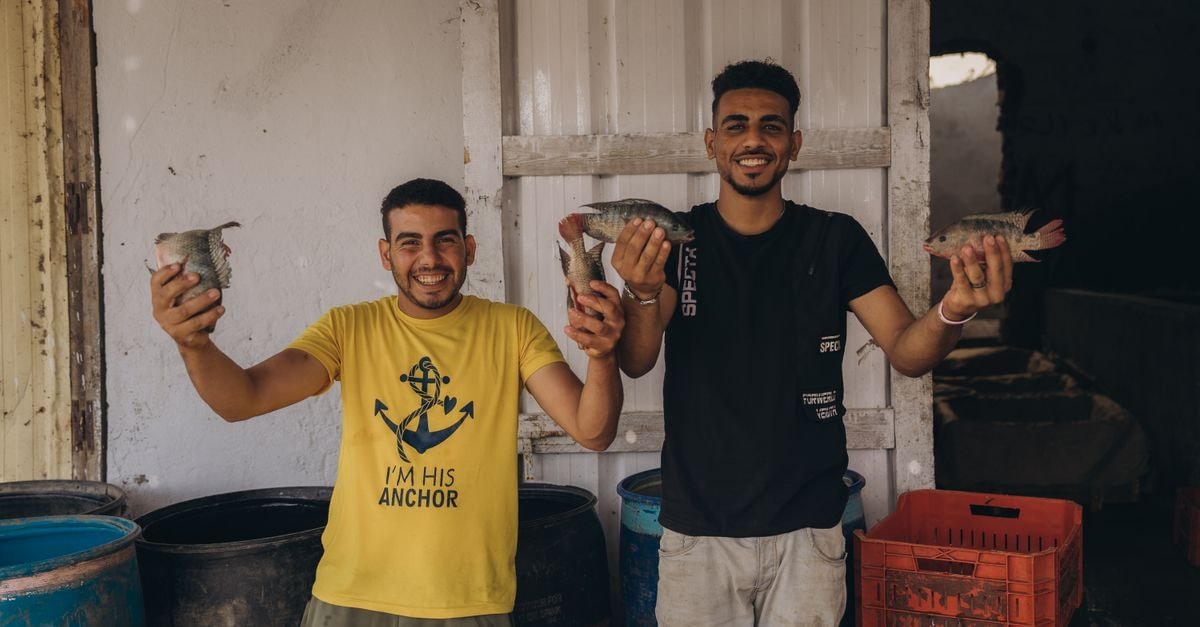
Jeddah’s food story begins with the sea. Fresh catches from the Red Sea shape menus across the city, and seafood tends to be the clearest regional signature a visitor encounters. You will see it prepared in family kitchens, in casual restaurants, and in more polished dining rooms. The Red Sea setting means the fish on your plate is rarely a generic “white fish” question; ask what is local and you will usually get a specific answer.
Shawarma is the everyday street-food companion to that seafood. It is the kind of food that fits any hour, from a late-night walk back to your hotel to a quick lunch between sightseeing stops. For a traveler, shawarma functions as both a practical meal and a window into how locals actually eat on a working day.
Step back from the plate and Jeddah’s culinary identity becomes broader. The city grew into a crossroads on the spice routes and on the Islamic pilgrimage route to Mecca, which is why its menus feel layered rather than narrow. Travelers from Yemen, the Levant, Egypt, the Indian subcontinent, and East Africa all left traces in the kitchens. That history is one reason the local food scene feels generous: it does not belong to a single tradition, and a curious visitor can eat their way across that map without ever leaving the city.
A practical note for eating well here: let the geography of the city shape your meals. Closer to the waterfront and the older quarters, seafood-forward places tend to dominate. In busier commercial stretches, shawarma and mixed grills are everywhere and easy to compare side by side. You do not need a ranked list of restaurants to eat well; you need a sense of what each neighborhood naturally does best.
Attractions and planning
Jeddah’s pull is partly visual and partly social. The waterfront corniche, with its public art and wide sea views, is where residents themselves come to decompress. The historical quarters, with their coral-stone houses and carved wooden balconies, are where the city’s deeper identity is visible. Neither requires an entry ticket in the way a major monument might, and both reward slow walking rather than a rushed stop.
When you think about how to spend your time, two patterns tend to work well. The first is a relaxed waterfront-and-old-town loop, alternating between the sea breeze and the shaded lanes. The second is an evening rhythm: cooler walks along the corniche, dinner in a neighborhood restaurant, and a slower return through quieter streets.
For a more refined evening, high-end restaurants at the Jeddah Yacht Club pair sea views with dressed-up dining, while the historical quarters hold the city’s more authentic local dishes. That contrast is not a ranking; it is a useful way to read the city. One side is contemporary Jeddah showing off its Red Sea setting, the other is Jeddah showing its age and its kitchen traditions.
A small planning note: because Jeddah is a major Saudi city and a regional hub, weekday and weekend rhythms can shift around prayer times and family schedules. Build some slack into your plans so an unhurried meal or a quiet walk is not ruined by rushing to the next thing.
How to read this guide
The goal here is not to give you a ranked checklist, but to give you a working mental model. Understand how the airport connects to the city, learn how the bus network fits into daily movement, and let the Red Sea and the spice-route history shape your food expectations. Do that, and Jeddah tends to reveal itself without a script.
Treat this as a starting frame rather than a fixed plan. Factual travel conditions can change, and official channels should be checked before departure for current transport details, opening information, and any local guidance that may affect your visit.
Share this article
TOOLS FOR THIS PLAN
Make the Jeddah plan measurable
Choose a tool only when it answers the next question in your trip. Your values stay in the browser, and each tool offers a route back to this planning context.