A small lakeside city with a strong sense of place

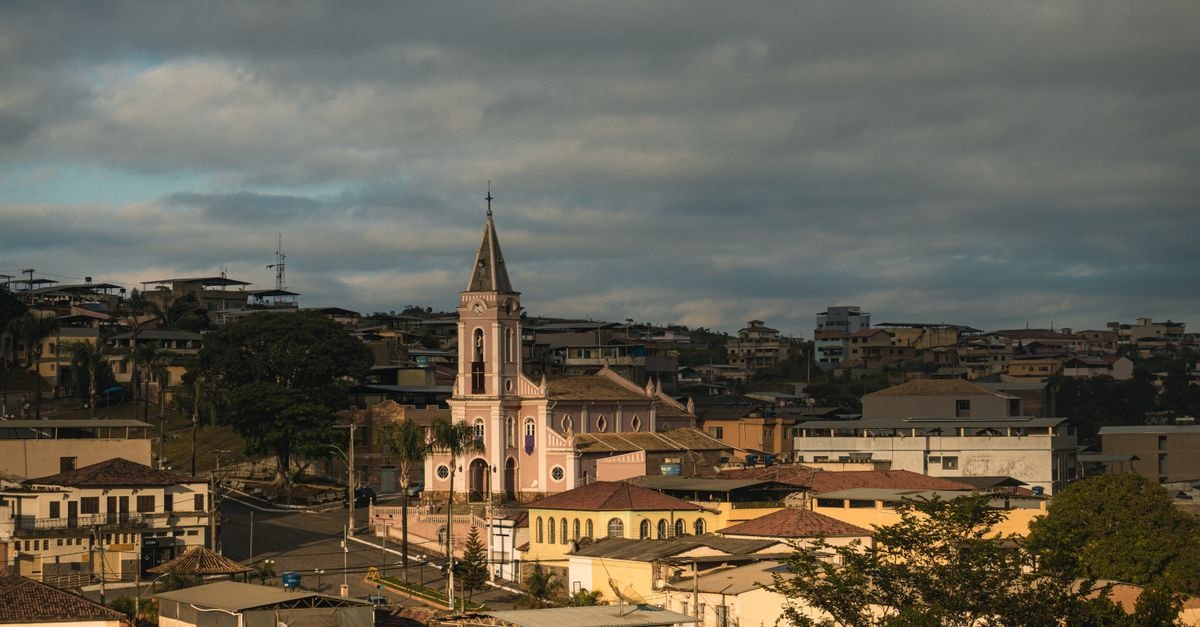
Areguá sits on the shores of a lake in Paraguay's Central Department, and it feels like the kind of town that asks you to slow down the moment you arrive. The city is known locally for its strawberry harvests, its pottery tradition, its colonial-era architecture and its cobblestone streets, all packed into a compact hillside setting above the water. Because the historic core rises and falls with the terrain, wandering on foot tends to be the most rewarding way to get a feel for the layout.
If you are looking for a weekend that mixes light outdoor time with artisan culture, Areguá is a natural fit. The combination of a working pottery scene, a signature local product and a calm lakeside promenade means you can build a day around food, craft and scenery without ever feeling rushed.
Weather and seasonal context
The climate around Areguá is mild enough for outdoor exploring almost year-round. Daytime temperatures typically reach around 30°C (86°F), while nights cool down to about 19°C (66°F), so the rhythm of the day usually shifts between warm midday hours and noticeably cooler evenings.
That temperature swing matters in practical terms: mornings and late afternoons are the most comfortable windows for walking the cobblestone streets or strolling along the lakefront, while the middle of the day can feel warm enough that you'll want shade, water and a slower pace. Light layers are useful because the drop from day to night is significant for a subtropical destination.
The city's identity is closely tied to seasonality in a different sense. Strawberries are the headline crop, and local vendors sell them freshly picked as well as transformed into jams and desserts that celebrate their red color and aroma. Visiting during or near a harvest period simply means you'll see more of the fruit on offer in markets and at small stalls, though the city itself rewards a visit whenever the weather cooperates.
Getting around on foot and by the lake
Areguá is the kind of place where the journey between sights is part of the experience. From the city's main municipal beach, the Playa Municipal de Areguá, you can look out across the principal dock and the wider expanse of the lake, which gives you an immediate sense of orientation.
Beyond the lakefront, the city also offers a variety of trails and green areas where you can enjoy nature and tranquility. These routes, combined with the cobblestone streets of the historic center, mean that walking is both the most enjoyable and the most practical way to move around. Comfortable shoes make a real difference on uneven stone surfaces, and a small daypack with water is helpful, especially during warmer parts of the day.
If you enjoy outdoor walks framed by water and greenery, the combination of lakefront views and inland trails may suit you particularly well, since the same area lets you choose between a flat promenade stroll and slightly more shaded paths.
Attractions and planning
Areguá is small enough that planning is light. The colonial architecture and historic cobblestone streets form a backdrop that you absorb as you move, rather than a checklist to rush through. The pottery tradition is woven into the city itself, so you can expect to see working studios and finished pieces as part of the everyday streetscape.
For cultural stops, the Domo Cultural Ita Kuá de Areguá is one of the notable venues in the city, listed among local points of interest. As with any cultural space in a small city, hours and programming can vary, so it is worth confirming what is on when you arrive, rather than assuming a fixed schedule.
If you prefer destinations where culture is integrated into the everyday landscape rather than concentrated in a single museum, Areguá fits that preference well, because the artisan and architectural traditions are visible as you walk, not sealed inside a building.
Food and local context
Areguá's most distinctive edible claim is the strawberry, and the city takes that identity seriously. Beyond the fresh fruit, vendors turn the harvest into jams and desserts that highlight its color and aroma, which means even a short visit usually includes at least one sweet, locally made strawberry treat.
In wider Paraguayan context, the country blends Guaraní indigenous and Spanish culinary traditions into a hearty, flavorful cuisine, and visitors to Areguá may encounter that broader food culture in everyday meals and snacks. Paraguay is also officially bilingual, with both Spanish and Guaraní recognized as national languages and Guaraní commonly heard in daily life, so you may pick up greetings or menu terms in either language as you move through markets and small eateries.
Because the city is small, dining tends to be informal and rooted in local producers rather than restaurant lists. If you enjoy letting a destination's signature ingredient guide what you eat, the strawberry-led offerings here tend to make that easy, with the option to pair them with the wider Paraguayan staples you may encounter during your stay.
Choosing what fits your trip
Areguá rewards travelers who are happy to let the day unfold rather than chase a packed schedule. The core experience is a walkable mix of lakefront, cobblestone lanes, pottery and strawberry-themed food, with the Domo Cultural Ita Kuá as a possible cultural anchor. If you enjoy slow weekends built around one signature local product and one stretch of water, this city tends to fit that rhythm well. If you prefer a denser urban itinerary or a wide list of paid attractions, you may want to balance a stay here with time elsewhere, since the appeal is more about texture than volume.
Factual travel conditions can change, so official local channels should be checked before departure to confirm opening hours, transport options and any seasonal events.
Prices, opening hours, schedules, reservation rules, and local conditions can change; verify them through official channels before departure.
Share this article
TOOLS FOR THIS PLAN
Make the Aregua plan measurable
Choose a tool only when it answers the next question in your trip. Your values stay in the browser, and each tool offers a route back to this planning context.