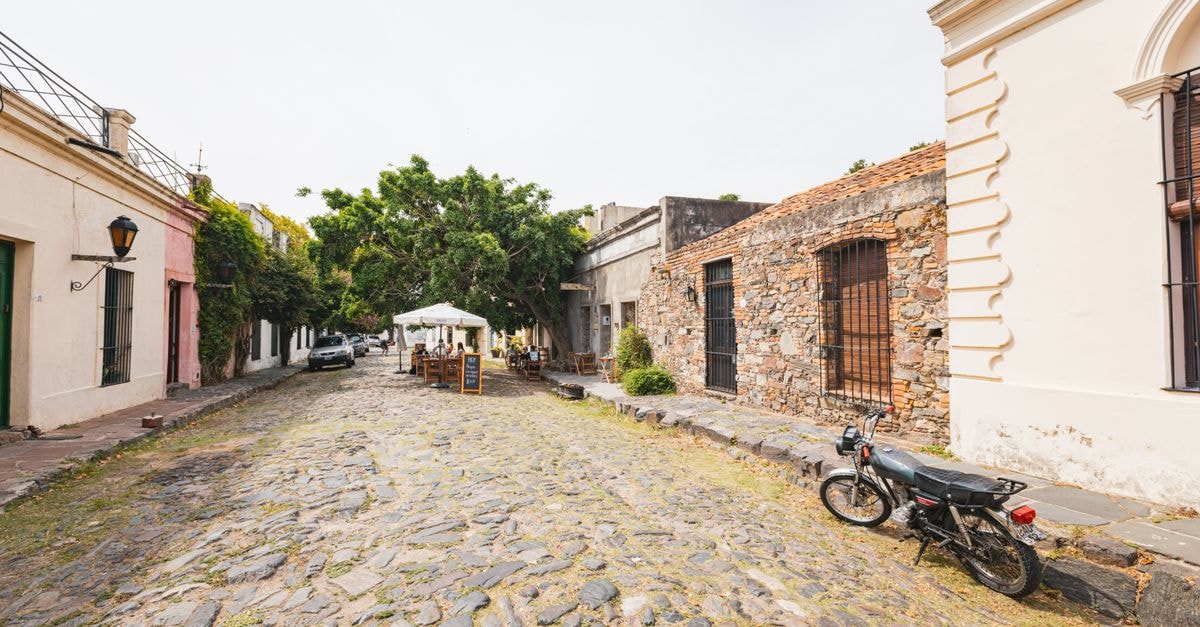
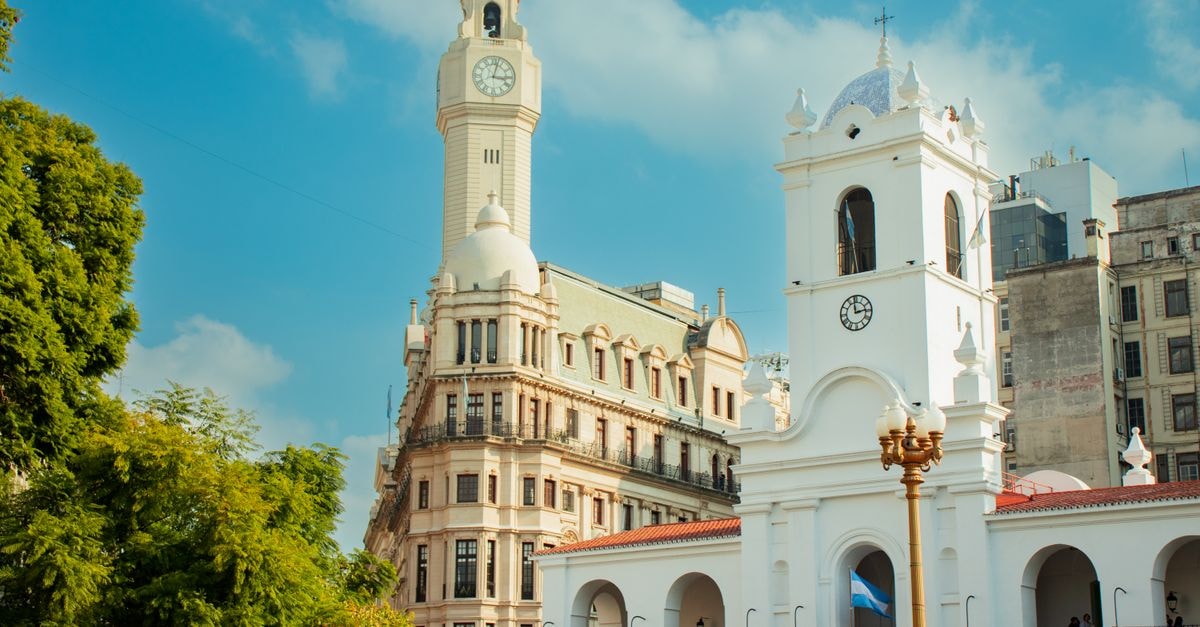
There is a particular kind of welcome that arrives before you reach your hotel in Salvador da Bahia. It hums up from the cobblestones of Pelourinho, where pastel-colored colonial mansions lean toward one another like old friends sharing a song, and it rises from the bay, where the light has a softer, warmer quality than the postcard version ever quite prepares you for. This is a city that wears its Afro-Brazilian identity proudly — not as a museum exhibit, but as a living rhythm that moves through music, food, religion, and everyday conversation. A visit here rewards visitors who come curious, willing to wander slowly, and prepared to listen.

Weather and seasonal context
One of the most useful pieces of practical grounding for any trip is understanding what kind of money you are carrying. Prices in Salvador are quoted in the Brazilian real (R$), and visitors from outside Brazil should treat the rate they see at home as a reference rather than a guarantee. Card payments are common in hotels, larger restaurants, and established attractions, but smaller vendors, street food stands, and market stalls often prefer cash. Before you leave the airport, check the live exchange rate on a reliable app, withdraw what you are comfortable carrying, and keep smaller notes handy for tips, snacks, and the inevitable moment when a beautiful handmade item catches your eye.
Salvador is a tropical coastal city, and the climate shapes how a day feels rather than what you will do. Heat and humidity tend to build through the morning and linger well into the evening, so the natural rhythm of the city often shifts: slow starts, longer midday pauses, and a sociable energy that picks up again as the sun lowers. Lightweight clothing, sunscreen, and a refillable water bottle make a real difference; many travelers find that planning the most outdoor wandering for the early morning or late afternoon keeps the experience enjoyable rather than exhausting.
If you have a particular interest in the performing arts, it is worth knowing that the city's largest theater, the Castro Alves Theater (Teatro Castro Alves), is both an architectural landmark and the heart of Salvador's performing arts scene. Housed in a contemporary building, the 1,500-seat venue is home to the city's orchestra and ballet company, and it hosts regular live performances. Checking the theater's official program before your trip can help you decide whether to build an evening around a concert, a ballet, or another scheduled event — and because programming changes, verifying dates and ticket availability directly with the venue before you commit is the safest path.
Getting around and staying aware
Salvador is generally considered safe for tourists, but like any major city with a vibrant historic center and busy beaches, it asks visitors to stay attentive. Common-sense precautions make a real difference: avoid wandering into isolated areas late at night, keep a close eye on your belongings in crowded places such as the Pelourinho squares and busy bus terminals, and carry only what you need for the day's outing. Phones, passports, and extra cards belong in a zipped or worn-in-front bag rather than a back pocket, and a photocopy of your passport stored separately from the original can be a quiet lifesaver if anything goes missing.
Within Pelourinho itself, the steep, cobblestone streets reward comfortable walking shoes and a leisurely pace. The neighborhood is compact and walkable, and most of its colonial architecture, churches, music venues, and small museums sit within a short radius of one another. For longer distances — heading to the waterfront, to Rio Vermelho, or to the city's theaters and larger museums — taxis and rideshare apps are widely available and are usually the simplest option for visitors who are unfamiliar with the local bus network.
A note on language: Portuguese is the working language of Salvador, and English is not as widely spoken as in some larger Brazilian tourist capitals. A few pleasantries in Portuguese go a long way toward goodwill, and a translation app can bridge the rest when you are ordering food, asking for directions, or confirming a reservation.
Attractions and planning the historic core
The single most concentrated experience in Salvador is a slow walk through Pelourinho's cobblestone streets, past colonial mansions painted in sun-warmed pastels, with Afro-Brazilian culture, music, and cuisine pulsing around you at every turn. This UNESCO-listed neighborhood is not a preserved relic but a working district, so the most rewarding visits are the ones that let you step inside the rhythm rather than skim the surface. Wander without a strict timetable, pause at the churches and small cultural spaces that catch your attention, and let the sound of drums, berimbau, or a passing bloco guide your next turn.
The historic center is also where much of Salvador's food culture lives. Beyond Pelourinho itself, the Rio Vermelho neighborhood is a beloved part of the city's culinary identity. Casa de Tereza in Rio Vermelho is appreciated for its home-style moqueca — the fragrant, slow-cooked seafood stew that is one of Bahia's signature dishes — and the waterfront acarajé stands along Rio Vermelho's shoreline are widely considered among the best in the city. Acarajé, the round black-eyed-pea fritter split open and filled with shrimp, vatapá, and pepper sauce, is best eaten fresh from a standing stand rather than from a sit-down menu, and Rio Vermelho's evening acarajé scene has a social, almost ceremonial quality that is worth experiencing at least once.
For design-minded travelers, two hotel options put you directly inside the historic experience. Fasano Salvador and Fera Palace Hotel both occupy restored colonial buildings in Pelourinho and feature rooftop pools overlooking the Bay of All Saints — sophisticated, design-forward properties that place you inside the historic center rather than on its edge. Staying within Pelourinho means waking up to the same streets you plan to explore, with the bonus of being able to step out for an early-morning coffee before the day crowds arrive.
Choosing what fits your trip
A few tradeoffs are worth weighing before you set your plans. Travelers who prioritize live performance and architecture may want to anchor at least one evening around the Castro Alves Theater, recognizing that shows are scheduled and require advance ticket checks. Those drawn to food culture will likely want to plan a Rio Vermelho evening around the waterfront acarajé stands and a sit-down moqueca meal, while history and photography-focused visitors will find Pelourinho itself is the main event — the colonial streets, the live music, and the neighborhood's working character. Visitors with limited mobility should note that Pelourinho's cobblestone hills are part of its charm but also demanding; if climbing is a concern, planning shorter loops and using taxis between districts can keep the day comfortable. In every case, the most satisfying Salvador trips tend to pair one cultural anchor with unhurried time to simply wander, eat, and listen.
A final practical note: factual travel conditions — including exchange rates, theater schedules, restaurant hours, and local safety guidance — can change, and official channels should always be checked before departure. Carrying small Brazilian real notes, confirming performance dates with the venue, and asking locally about current neighborhood conditions are simple habits that help a Salvador trip unfold the way you hope it will.
Share this article
TOOLS FOR THIS PLAN
Make the Salvador plan measurable
Choose a tool only when it answers the next question in your trip. Your values stay in the browser, and each tool offers a route back to this planning context.