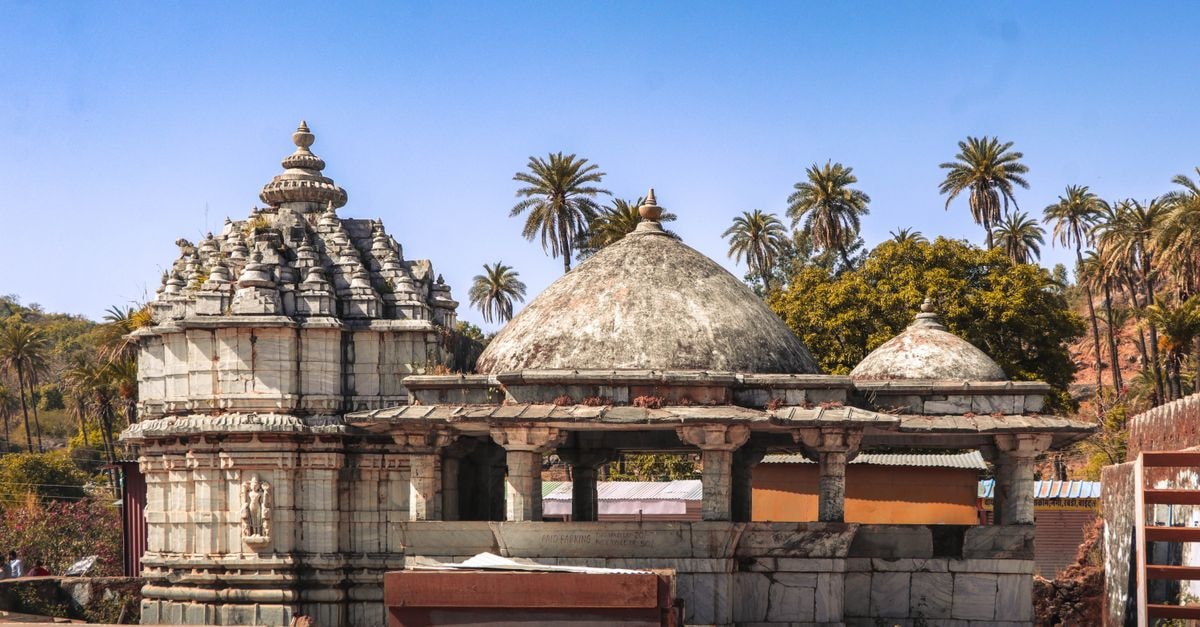
Tucked into the heart of Bihar, Arrah is a small city that often slips under the radar of mainstream India itineraries. It sits within the Bhojpuri cultural region, where everyday rhythms are shaped by bustling markets, local commutes, and a strong sense of community. For travelers who prefer unhurried cities over polished tourist circuits, Arrah has an honest, lived-in appeal. This guide keeps things simple: what the weather generally feels like, how to move around without stress, and the wider Indian food culture you are likely to encounter while eating your way through the city.

Weather and seasonal context
Bihar sits in a part of India where summers are famously long and hot, and the monsoon brings heavy rainfall. In a city like Arrah, this means the year tends to flow from dry heat into wet, cloudy stretches before cooling again. Because Arrah is a small inland city, the feel of a day here is shaped more by sun, humidity, and shade than by dramatic landscape shifts. If you prefer walking around markets and quieter lanes, pacing the day around the cooler hours can make a real difference.
For visitors, the practical note is less about any single season and more about being prepared. Light, breathable clothing helps during warm stretches, while a layer or umbrella becomes useful once the monsoon clouds gather. Since Arrah is described as a small city in the Bhojpuri region of Bihar, the everyday experience is compact: most of what you will want to see tends to be close together, and shaded corners or covered market areas become natural resting points during the hotter parts of the day.
Some travelers who dislike intense heat or heavy humidity may prefer visiting when conditions feel softer, while those comfortable with warmer climates often find Arrah manageable as long as they slow down at midday. Either way, keeping water handy and planning outdoor time for early morning or late afternoon tends to suit the city's natural rhythm.
Getting around
Arrah works best when you treat it as a walkable city with help from local transport. Streets and lanes in the center are usually compact, which makes short walks pleasant between nearby points. For longer hops, taxis and rickshaws remain the everyday way to move, and they are especially useful once the sun is low and you want to head back to where you are staying. For travelers heading out of the city toward longer-distance destinations, private cars can be rented for the journey, which gives flexibility if you prefer to set your own pace rather than rely on shared transport.
Safety in the city is generally described as good, which is reassuring for visitors arriving for the first time. That said, common-sense precautions still help. Avoid isolated areas after dark and stick to well-lit markets and busier streets. For nighttime travel, using taxis or rickshaws is recommended, since they give you a clear, reliable ride back and reduce the need to navigate unfamiliar lanes on foot. Keeping small change ready for rickshaw fares also keeps the experience smooth.
If you prefer a slower, more exploratory style, you may want to mix walking with short rickshaw rides, since some lanes are easier to cover on foot while longer crossings across the city are quicker by vehicle. Travelers who value flexibility over fixed schedules often find this combination a comfortable fit for Arrah's scale.
Food and local context
While traveling in Arrah, you will be eating within the wider context of Indian food culture, which is one of the most diverse in the world. India is home to a staggering array of regional cuisines, each with its own unique flavors and traditions, and meals here tend to reflect that variety. Plates are often built around staples like rice, lentils, breads, vegetables, and a careful use of spices that varies from kitchen to kitchen.
Food in India is more than just daily nourishment, it is an integral part of rituals, festivals, and social gatherings. That sense of meaning shows up in everyday life through shared thalis, small sweet shops near temples and markets, and the way families and friends sit down together. Whether you are traveling through India or simply looking to experience authentic Indian cuisine, dining traditions are key to truly connecting with local culture. For visitors, that often means being open to eating with your hands in more traditional settings, trying regional specialties as they appear, and treating each meal as a small window into the place you are in.
Since Arrah sits firmly within this larger Indian dining landscape, the food you encounter will carry both local Bhojpuri touches and broader North Indian flavors. Travelers who enjoy exploring regional menus, asking about seasonal dishes, and sampling street-side snacks alongside sit-down meals often find the eating experience here especially rewarding. Those with strict dietary preferences may want to communicate them clearly when ordering, as menu variety and ingredient use can shift from place to place.
Choosing what fits your trip
Because Arrah is a compact city, the way you experience it depends less on how much you pack in and more on how you move through it. If you value slow walks and atmospheric market streets, the center rewards unhurried exploration. If you prefer keeping distances short and energy up, leaning on rickshaws for longer hops lets you save your walking for the most interesting lanes. For food-focused travelers, treating each meal as a chance to engage with the wider Indian food culture, rather than chasing specific restaurant lists, tends to bring the most rewarding moments.
Before you go
A quick verification check on current local conditions, transport options, and any travel advisories is always wise before departure, since practical details in any Indian city can shift over time. Confirming the basics, like how you plan to arrive, how you will get around, and where you will stay, lets the rest of the trip unfold with fewer surprises.
*Factual travel conditions can change. Official channels and local sources should be checked before departure.*
Share this article
TOOLS FOR THIS PLAN
Make the Arrah plan measurable
Choose a tool only when it answers the next question in your trip. Your values stay in the browser, and each tool offers a route back to this planning context.