A Caravanserai Steeped in Safavid Splendor

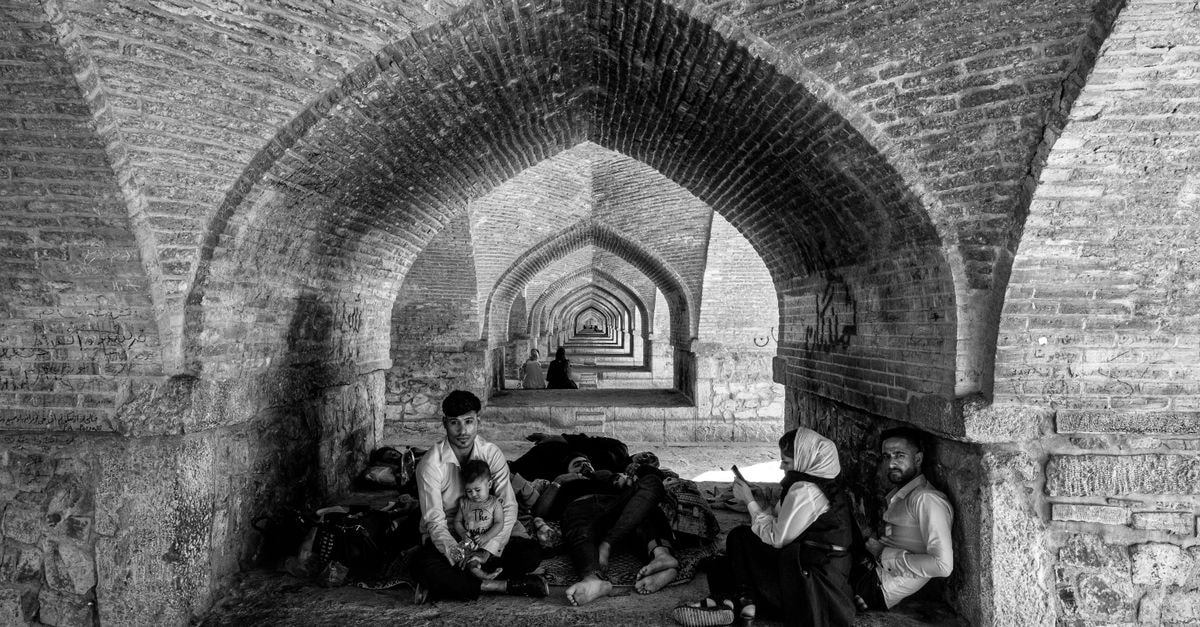
Wander along Isfahan's storied Chaharbagh boulevard and a single ensemble stops every visitor in their tracks: a madrasa, a bazaar, and a caravanserai that still shine like a singular jewel among the surviving works of the Safavid era. The complex was commissioned by Shah Sultan Husayn of the Safavid dynasty and presented by him to his mother as a gift. Centuries later, modern Iran had a different future in mind for the old caravanserai.
From Royal Gift to Modern Hotel
In 1336 Solar Hijri, the historic structure was rebuilt at the initiative and investment of Bimeh Iran (Iran Insurance Company) into a ceremonial, modern, and magnificent hotel. The transformation reframed the site as a hospitality landmark while preserving the architectural bones of the Safavid original, creating a property that reads as both a working hotel and a living chapter of Persian architectural history.
Location Along Isfahan's Crown Street
The hotel anchors a corner of Chaharbagh, the avenue famously associated with Isfahan's half-the-world reputation during the Safavid period. That boulevard stretches through a city long hailed as a torchbearer of the Isfahan school of architecture, one whose art and culture carried the name of Iran to every corner of the globe. The hotel's position on this historic axis places it directly within the cultural heart of the city.
A Glimpse Inside the Suites
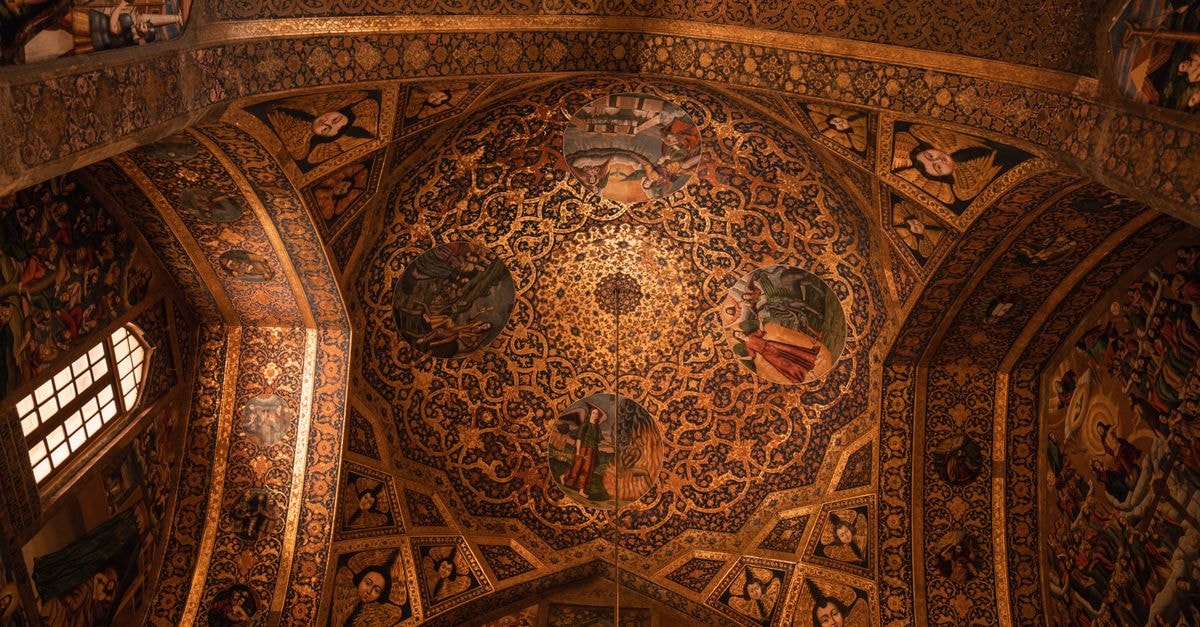
The property offers a Qajar-style suite of approximately 60 square meters, configured for two guests, with a dreamlike ambiance shaped by intricate muqarnas, painted doors and walls, and views over the garden. The Qajar-inspired design cues connect the interior to another celebrated era of Iranian architecture, layering the Safavid bones of the building with later decorative traditions.
The Architectural Conversation
Iranian architecture has long shone like a radiant gem among the world's built works, holding an elevated rank. Within that tradition, the Isfahan school served as a beacon across successive periods, broadcasting the name of Iranian art and culture across the globe. The hotel sits squarely in that lineage, continuing the visual dialogue that began on Chaharbagh in the Safavid age and still resonates in the details of today's interiors.
Share this article
Place data: Geoapify and OpenStreetMap contributors.