A Mansion With Two Centuries of Story

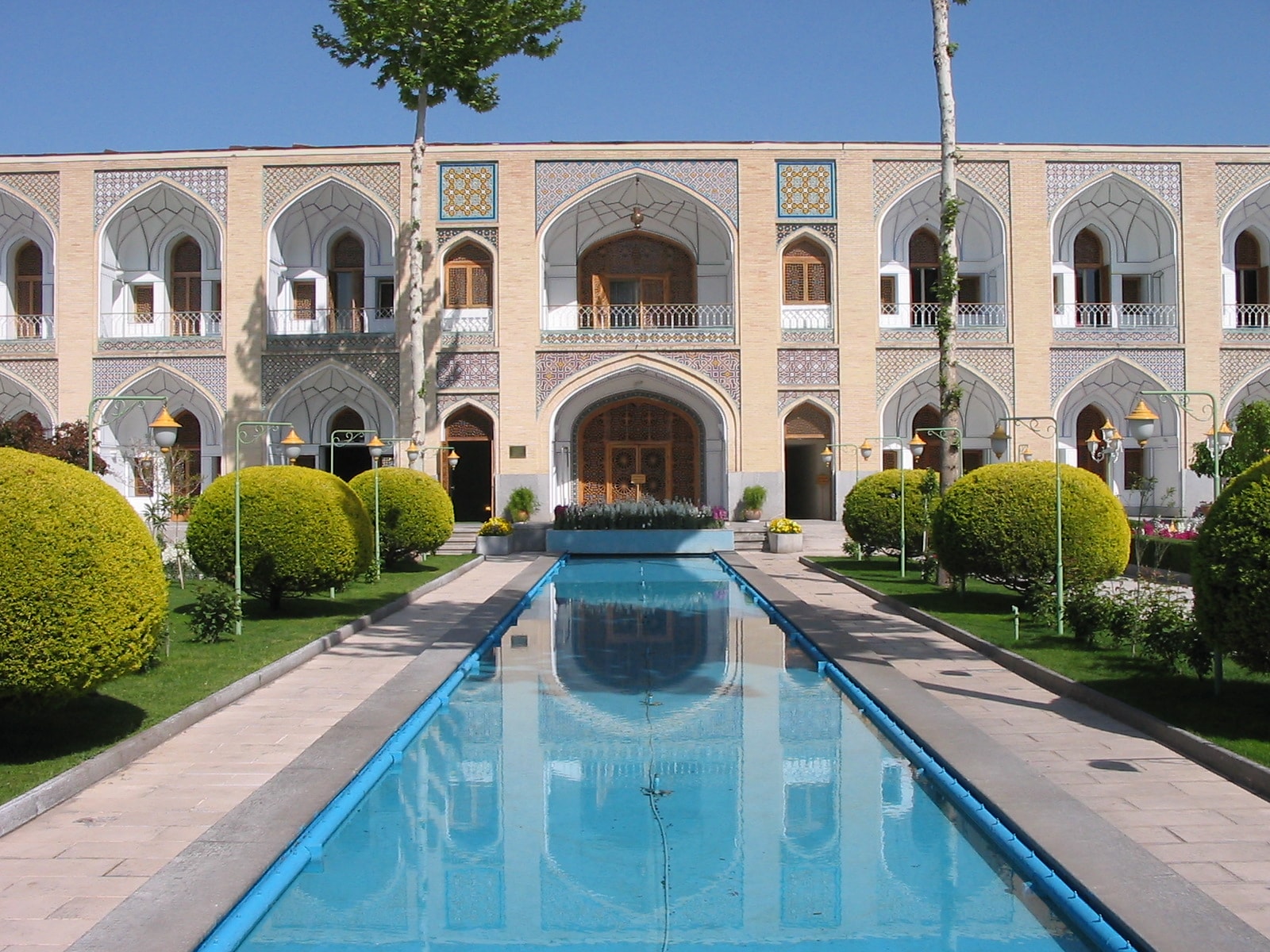
Keryas Hotel in Isfahan carries the quiet confidence of a home that has watched the city change around it. The building is a beautifully restored historic mansion dating back nearly two centuries to the Qajar era, and that long lineage gives every corner a sense of layered memory. The residence is also referenced as part of the late Qajar architectural wave that shaped Isfahan's most distinctive residential homes.
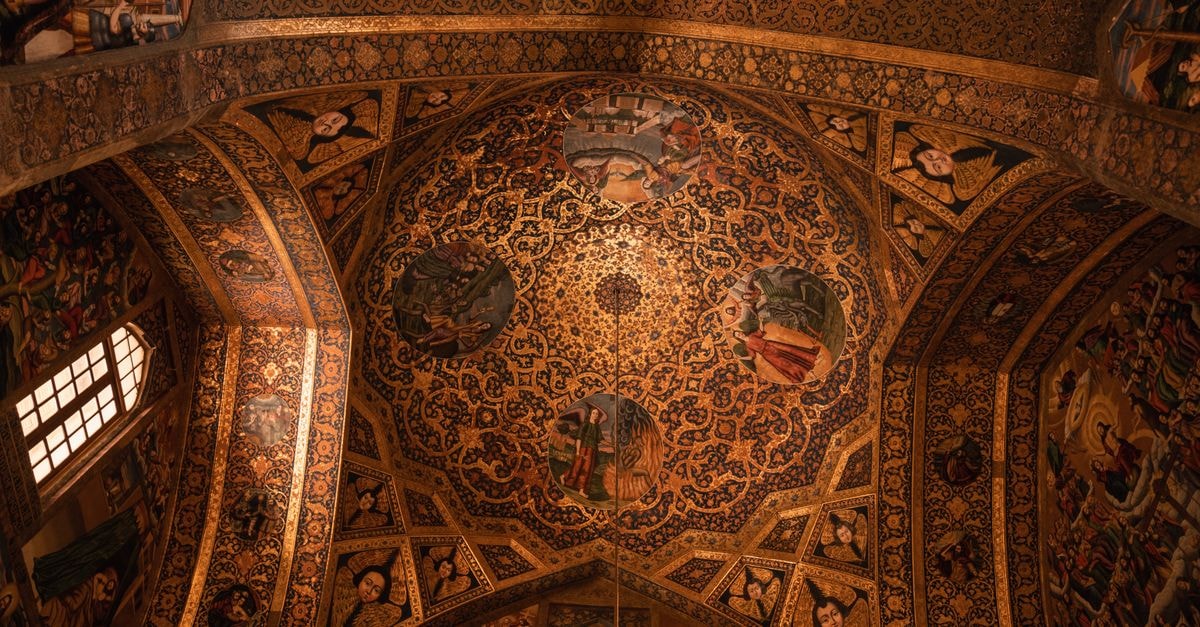
Visitors stepping inside often describe the experience as walking into a living museum. Each room holds onto its own traditional architecture, with details such as three-door (Sedari) and five-door (Panjdari) configurations that are classic Qajar signatures. The result is a property where the past is not just displayed but inhabited.
From Nezam Alsalam House to Keryas
The mansion once carried a different name. Historical accounts note that it was previously known as Nezam Alsalam Historical House before becoming Keryas Traditional Boutique Hotel. The rebranding, with restoration work recognized around 2016, brought renewed attention to a structure that had been quietly absorbing decades of family life.
This kind of identity shift is common among Iran's adaptive-reuse heritage residences, where a single building can carry several names across generations. Keryas has settled into its current identity as a traditional residence that invites guests to slow down and look closely at the craftsmanship in the woodwork, plasterwork and doorways.
A Layout Shaped by Tradition
The property spreads across two floors, keeping the compact, human-scaled feel that defines many Qajar courtyard homes. Rather than sprawling outward, the design draws inward, with rooms arranged around shared spaces that encourage gathering and conversation.
The traditional architectural vocabulary is the star here. Sedari rooms with three doors and Panjdari rooms with five doors are not just decorative choices; they reflect how Qajar families organized light, privacy and airflow. At Keryas, those patterns are preserved alongside modern touches that make the rooms comfortable for contemporary travelers.
The Historic Setting in Isfahan
The residence sits within Isfahan's older fabric, where lanes bend around centuries-old homes and the rhythm of daily life still follows historic patterns. The neighborhood context places Keryas among the significant examples of late-Qajar residential architecture that make the city a destination for heritage-minded visitors.
Isfahan itself is often celebrated for its layered history, and properties like Keryas add a residential chapter to that story. Staying in a restored mansion offers a different window onto the city than the grand mosques and squares, showing how the same craftsmanship and design language carried into everyday domestic life.
Practical Considerations
Keryas operates as a traditional residence with two floors of rooms, each preserving its original architectural character. Because interior details and offerings can evolve, treating descriptions of specific rooms and features as a snapshot rather than a fixed promise is wise. The property is best understood as a heritage stay where the building itself is the headline attraction.
For travelers interested in how Iranians have lived across the Qajar period and into the present, Keryas offers an unusually direct connection. The mansion's restored state, its earlier life as Nezam Alsalam House and its preserved Sedari and Panjdari rooms together make it a memorable stop in any Isfahan itinerary centered on historic architecture.
Share this article
Place data: Geoapify and OpenStreetMap contributors.