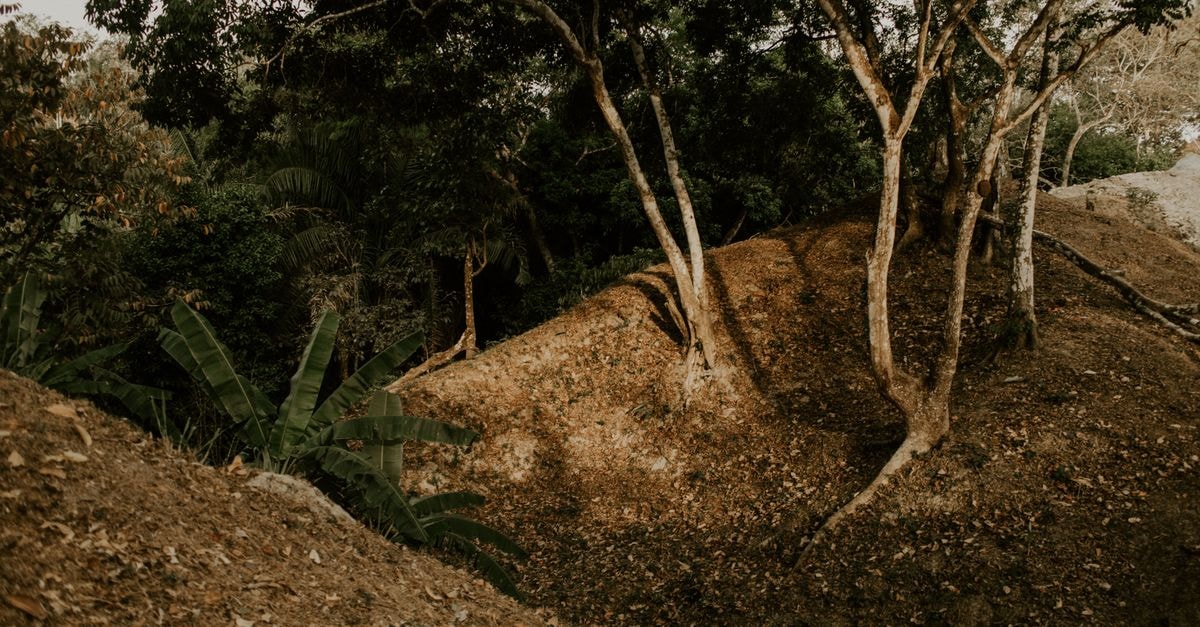
Tucked into the Ecuadorian Andes, Azogues is the kind of small highland capital that rewards unhurried exploration. Cathedral domes, forested ridgelines and stone-carved sanctuaries sit close together, and the rhythm feels less like a checklist and more like a long conversation with the surrounding hills. If you enjoy places where craft, faith and landscape meet in a single walk, this Azogues travel guide points you toward the texture of the city rather than racing through it.

Heritage sites and highland setting
Azogues gathers much of its character around its historic religious buildings and the green rings that frame the city. The Church of San Miguel de Porotos, Taday Church, the Church of the Lord of Burgos and the Church of the Lord of the Flowers each carry their own quiet presence within the broader Andean religious tradition, and visitors often find that pairing them makes for a thoughtful walking day. The Franciscan Sanctuary adds another layer of heritage interest, while the Shin Ruins hint at the deeper pre-Hispanic past of the region.
The Regional Ethnographic Museum is a natural companion for travelers who want context before or after visiting the churches, because it connects religious art and craft traditions to daily life in the Andes. A short walk or drive out from the center, the Cubilan Protective Forest and the Pichahuaycu Protective Forest bring the highland landscape up close, with the Mazar reserve and the Forests of San Marcos, also known as Cascaritas, extending the green horizons for those who want to spend longer outdoors.
Two landmarks tend to anchor visitors' mental map of the city. Rumicruz Hill rises above Azogues and offers a vantage point that photographers and slow walkers appreciate, while Cerro Abuga adds another silhouette to the surrounding ridgeline. If your travel style leans toward viewpoints and gentle elevation changes rather than strenuous hiking, these elevated spots may suit you well, though you should still confirm current access conditions locally before setting out.
The Toquilla Straw Craft tradition, known across Ecuador for its woven hats, is closely tied to the Cañar region, and Azogues is a natural place to look for workshops and small displays. Travelers who enjoy buying a single meaningful souvenir rather than mass-produced trinkets often find this craft particularly rewarding. Visitors curious about the Guapán Hot Springs can use them as a contrasting half-day outing, trading stone facades for warm water and rural scenery.
For travelers who prefer a balanced heritage day, consider linking one or two central churches with a single protective forest visit, then saving the museum for a quieter afternoon. Those who dislike long stair climbs or steep ascents may prefer keeping Rumicruz Hill and Cerro Abuga as scenic viewpoints seen from lower elevations, and focusing energy on the flatter heritage loop instead.
Cuisine rooted in Andean tradition
Azogues sits within a region where the cuisine reflects its Andean traditions, and meals here often feel like a continuation of the landscape rather than a separate activity. Staples common to highland Ecuador, such as hearty soups, potatoes, corn and slow-cooked meats, tend to fill plates in family kitchens and modest local restaurants. Travelers who enjoy food that tells you something about the soil and altitude of a place will likely find Azogues rewarding precisely because the menu does not try to be cosmopolitan.
Across Ecuador, food culture is closely tied to agriculture, community gatherings and a strong sense of regional pride, and visitors to Azogues may encounter that wider context in everyday meals and market visits. The city does not need to be framed as a culinary capital to matter; it offers a sincere taste of how Andean households eat day to day.
If your travel style leans toward trying unfamiliar ingredients, ask about local soups and mote-based dishes, which are common in highland Ecuadorian cooking. Travelers who prefer familiar flavors can usually find rice, chicken and potato plates in most places, making the city accessible even for cautious eaters. Confirming what is currently available at a given restaurant or market is always wise, because offerings shift with the agricultural calendar.
Choosing what fits your Azogues trip
Because Azogues is compact and heritage-focused, the practical question is less about how much you can fit in and more about how you want to pace yourself. A traveler drawn to colonial and religious architecture may be happiest stringing together the central churches, the Franciscan Sanctuary and the Regional Ethnographic Museum on foot, with a slow café stop between stops. A traveler drawn to landscape can trade some of those interiors for the Cubilan and Pichahuaycu Protective Forests, or for the Guapán Hot Springs if a half-day excursion feels right.
A few simple preferences can shape a satisfying visit. If you like viewpoints and panoramas, Rumicruz Hill and Cerro Abuga deserve consideration, but confirm access and weather conditions on the day. If you prefer staying closer to the historic center, a walking loop of churches paired with the Regional Ethnographic Museum makes a calm, easily paced day. Food-focused travelers will find that asking locally about seasonal soups and regional potato dishes often leads to the most memorable meals, while craft lovers may want to leave time for Toquilla Straw Craft displays or small workshops.
Above all, treat Azogues as a place to slow down rather than to rush through. Two or three carefully chosen anchors, combined with unhurried meals and conversation with locals, usually reveal more than an ambitious checklist.
Practical notes before you go
Because factual conditions can change, treat this guide as a starting point rather than a final schedule. Local tourism offices, accommodation hosts and nearby residents are usually the most reliable sources for current opening hours, transport availability, and whether any church or protected area has temporary restrictions. Weather, road conditions and community events can all shift the practical shape of a day, so a quick check on arrival is always worthwhile.
Currency, transport and ticketing details are best confirmed close to your travel date, since exchange rates and service patterns evolve. Keep small bills for local purchases, and ask whether cards are accepted in the specific places you plan to visit, because habits vary even within a small city. Most importantly, give yourself permission to leave time open: Azogues tends to reward visitors who let the day unfold rather than those who try to compress it.
Factual travel conditions can change, and official channels should be checked before departure.
Share this article
TOOLS FOR THIS PLAN
Make the Azogues plan measurable
Choose a tool only when it answers the next question in your trip. Your values stay in the browser, and each tool offers a route back to this planning context.