The shape of the place

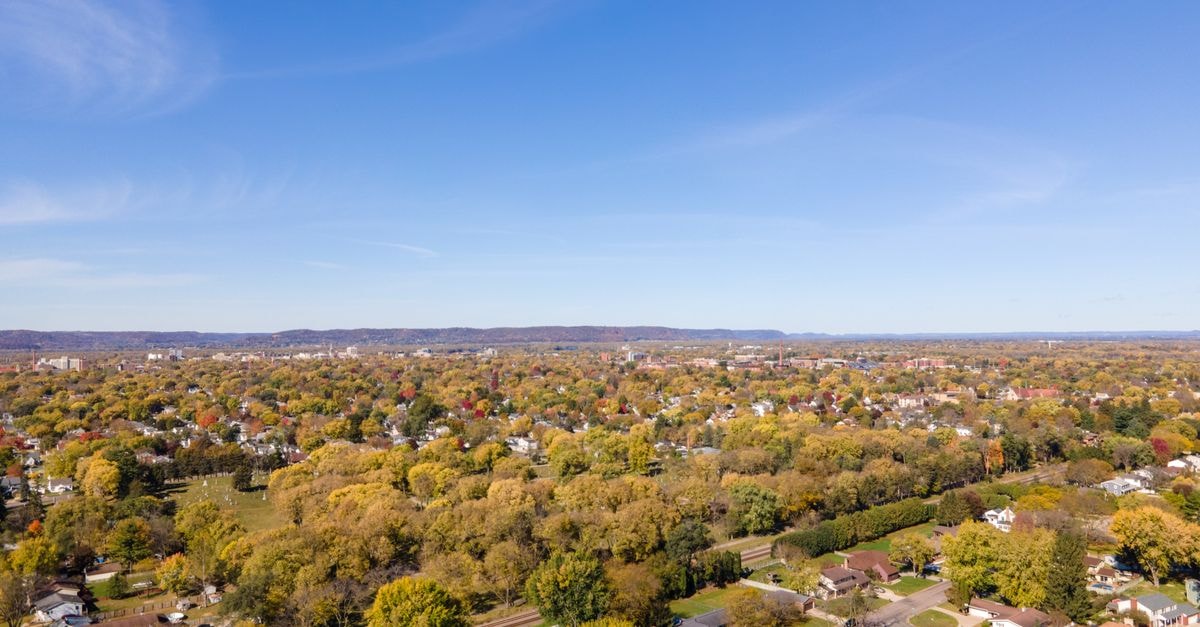
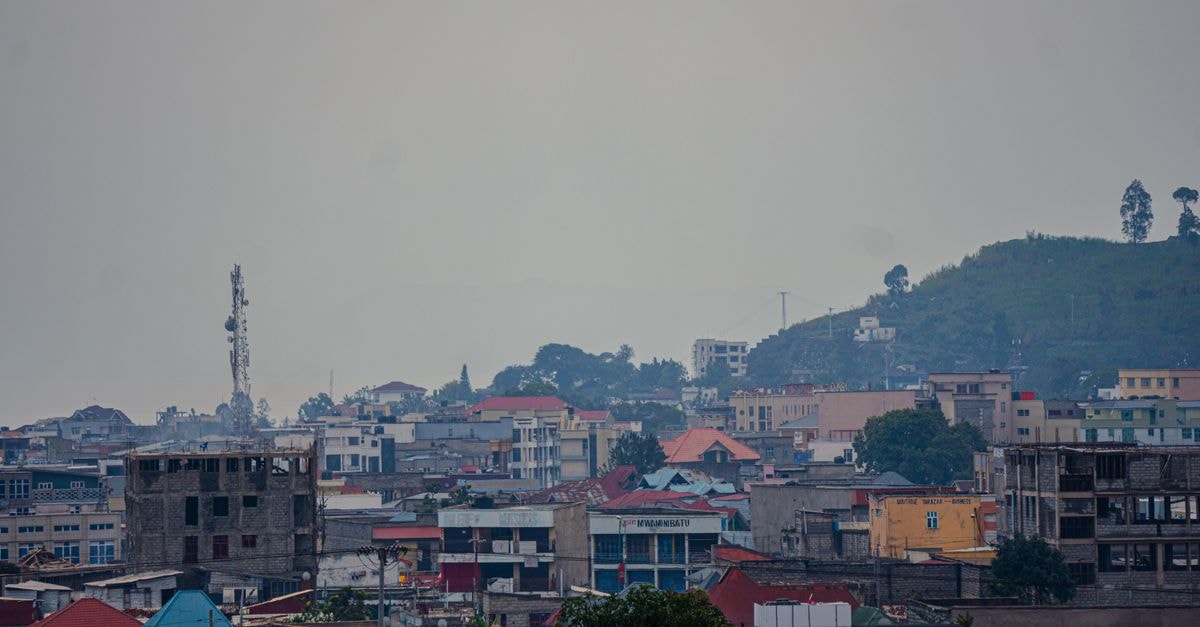
Linden sits at the heart of Upper Demerara-Berbice (Region 10), framed by the Demerara River and a long stretch of rainforest frontier. It is Guyana's second-largest city and the historic center of the country's bauxite mining industry, and it wears that heritage openly. The wider region is vast and sparsely populated — only around 42,000 people spread across some 17,040 km² — so a visit here tends to feel unhurried, with wide horizons rather than a dense list of urban stops.
For travelers who like destinations with a working backbone, Linden offers something different from the coastal Guyanese experience. Mining, forestry, and a growing tourism economy shape daily life, and the landscape itself reads like a living archive of that history. If your idea of a meaningful trip includes understanding how a country made its living, Linden has plenty of substance to absorb.
Weather and seasonal context
Linden's climate belongs to the interior of Guyana, where the rhythm of the year is shaped by rainfall rather than the four temperate seasons visitors may know from home. Tropical conditions generally mean warm temperatures and high humidity year-round, with a long wetter stretch and a shorter drier window.
Without direct weather measurements for your travel dates, it's wise to plan around the idea of heavy, sometimes sudden showers and to assume humidity will be a constant companion. Lightweight, quick-drying layers, a compact rain shell, and shoes that handle slick surfaces are sensible basics. If you prefer a more forgiving pace, consider building your day around the cooler morning and late-afternoon hours, when the light softens over the surrounding forests and the river. The Blue Lakes, the area's signature natural pools, look their best when the sky is clear enough to reflect into their striking turquoise water, so keeping flexibility into your itinerary lets you return to the water when conditions favor it.
Packing a refillable water bottle and giving yourself downtime indoors during the hottest stretch of the day is generally a comfortable choice in this region. The pace of any interior Guyanese town slows when the heat builds, and adjusting to that rhythm is part of the experience.
Getting around
If you prefer to keep your day flexible, a private hire for the full day lets you linger where the light is good rather than racing between stops. Tour-style transport, on the other hand, may suit travelers who would rather hand the route to someone who knows where the surfaces get rough and where the overlooks line up. Consider your own pacing preference here: do you want to be told where to stand for the photo, or would you rather stop when something catches your eye?
Attractions and planning
Linden's attractions fall into two distinct moods, and most visitors enjoy a day that touches both.
The first is the mining heritage. Upper Demerara-Berbice carries the physical legacy of bauxite extraction across its landscape, from working pits to the layered earth tones that frame the town. For travelers interested in industrial history or simply in landscapes shaped by human labor, this is an unusually legible backdrop. The region also positions itself as an interior gateway to the rainforest frontier along the Demerara River, which means your day can pivot from heavy machinery and tailings to forest, river views, and a quieter green edge.
The second mood is the Blue Lakes, sometimes referred to as Kara Kara Blue Lake. These striking, crystal-clear turquoise pools sit in former bauxite mining pits that have since filled with rainwater, reflecting the sky above. They are widely considered Linden's signature natural attraction. A visit here typically involves getting out of town and onto rougher roads, so the better part of a morning or afternoon is a realistic commitment. If you enjoy swimming or simply sitting beside unusually colored water, the lakes reward the effort; if your interests lean more toward cultural sites and viewpoints, you may prefer to keep the lakes as a short stop rather than the centerpiece.
A practical note: because most of what you'll want to see sits beyond an easy walking radius, plan your day with a clear vehicle window rather than trying to stitch things together on foot.
Food and local context
Linden does not position itself primarily as a culinary destination, and the approved local guidance for the town functions more as an official information portal for visitors than as a restaurant directory. That means it's worth arriving with flexible expectations and an appetite for what's available rather than a checklist.
As elsewhere in Guyana, the wider food culture that visitors may encounter reflects the country's coastal and interior influences: rice, stews, fresh fish where it's available, fresh produce from regional agriculture, and a strong tradition of homemade drinks and snacks. None of this is unique to Linden, but knowing it as broader Guyana context helps set expectations before you arrive. If you eat in local spots rather than hotel dining rooms, you'll likely come across a homestyle approach to mealtimes, with smaller menus that rotate around what was fresh that morning. Travelers who appreciate that kind of honest, ingredient-led cooking tend to enjoy the experience most; travelers who want a wide choice of cuisines under one roof may find the options more modest.
A short verification before you go: check what current operators or community-run guides are running for the day of your visit, since options can shift, and you'll want the latest on what is open and accessible.
Choosing what fits the trip
Linden's day is shaped by the contrast between its mining-landscape heritage and the rainforest-river frontier around it, with the Blue Lakes as a natural anchor between the two. If your interests lean toward industrial and social history, the morning can carry most of the weight, with the lakes as a cool, photogenic close. If landscapes and water are your main draw, an earlier start at the lakes leaves the heritage stops for the softer light of late afternoon. Travelers who prefer structure may enjoy the packaged full-day format, while independent-minded visitors often get more out of hiring a vehicle and setting their own rhythm. Either way, building in time for the slow parts — river views, a quiet overlook, a conversation with a local guide — tends to be what makes Linden feel less like a stop and more like a story.
The factual details of any trip can shift, so check official sources and current local guidance before you set out.
Share this article
TOOLS FOR THIS PLAN
Make the Linden plan measurable
Choose a tool only when it answers the next question in your trip. Your values stay in the browser, and each tool offers a route back to this planning context.