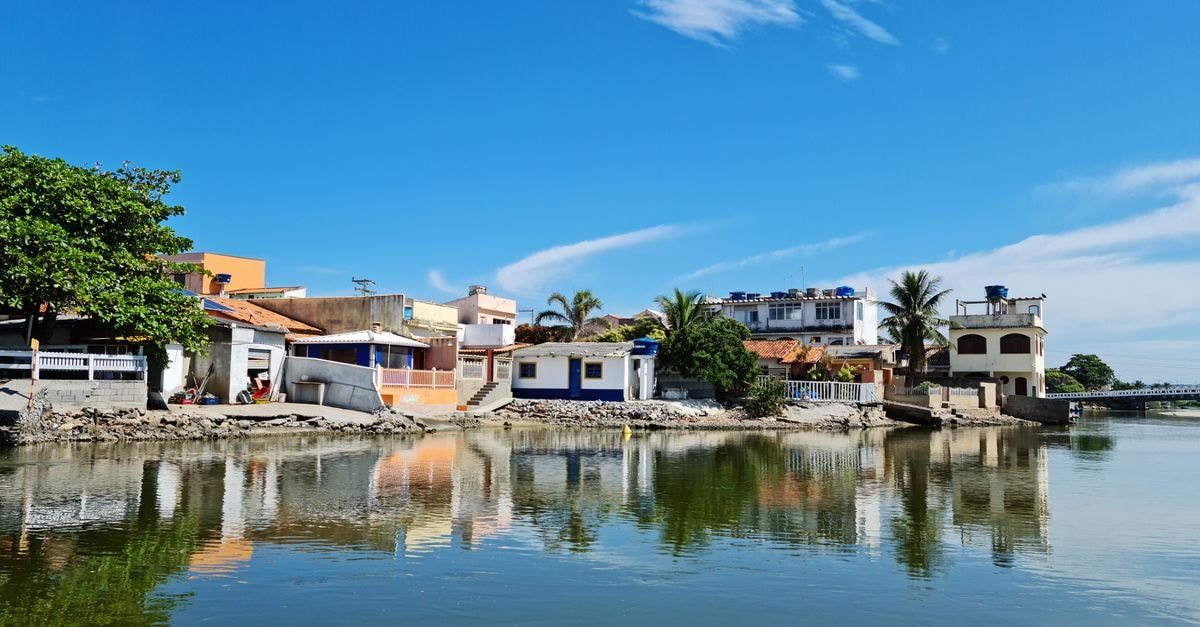
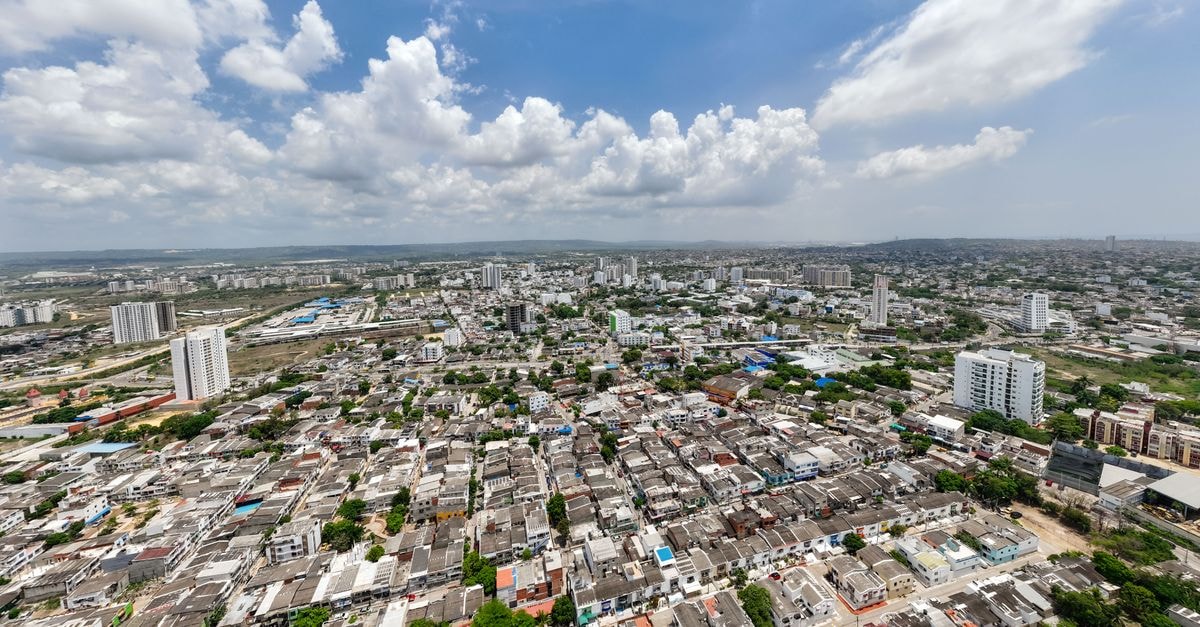
A first impression of Azua

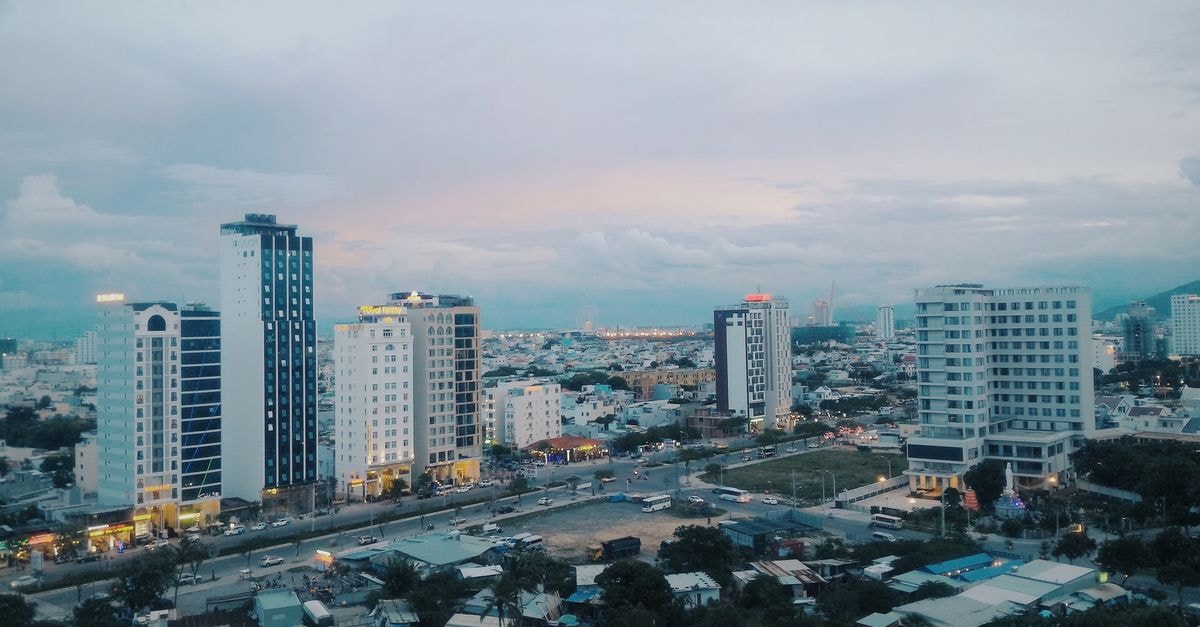
Azua de Compostela is a small trading city set along the southern Dominican Republic, and it carries the easy rhythm of a place that has not been polished for tourism. The surrounding region is shaped by coffee, sugar and tobacco plantations, which gives the wider province its agricultural character and explains why the city has always functioned more as a working market town than a resort destination. Travelers who like places where the daily economy is still visible tend to settle in quickly here.
What makes Azua useful as a stop is that it quietly offers a few essentials that bigger destinations charge a premium for. There is an international airport just outside the city, a seaport sitting around 5 km away at Ocoa Bay, and a stretch of southern coastline that draws visitors out of town for the day. Because the city itself is compact and the points of interest cluster nearby, planning tends to feel unhurried rather than scheduled.
Weather and seasonal context
Azua sits in a warm tropical belt, and the climate shapes how a day here tends to unfold. Average daytime temperatures hover around 26°C, with afternoon highs climbing toward 32°C and overnight lows settling near 22°C. That range tends to mean warm mornings, genuinely hot midday hours, and softer evenings that invite walking.
Because the heat is steady, many travelers find that pacing the day around the temperature works better than racing through a long list. Morning is a comfortable window for outdoor plans, the middle of the day often pushes visitors toward shade, a long lunch or a cool room, and late afternoon returns comfortably for sightseeing. Lighter clothing, water, and a willingness to slow down usually matter more here than a tightly packed schedule.
Getting around
Azua is not a city where visitors typically rely on a complex transport system. Instead, the practical arrival story is shaped by two infrastructure pieces that the city actually has.
The first is the airport. Azua is served by its own international airport, identified in aviation references as MDAD. The airport itself lists ground transportation and shuttle services among its offerings, which means travelers arriving by air have a starting point for the final leg into town rather than needing to figure out a longer overland connection. Flight arrivals, departures, parking, and nearby lodging are tracked at the airport level, which is helpful for the practical bits of arrival and departure timing.
The second is the seaport. The city sits roughly 5 km from Ocoa Bay, where the seaport handles cargo and trade for the region. For visitors, this mostly matters as context: it explains why Azua has historically been a trading city rather than a purely inland agricultural town, and it hints at the coastal access that defines day plans outside the urban core.
Within the city, distances are short, and the trading-town layout means most of what a visitor needs is reachable on foot or with a short local ride. The regional economy, built on coffee, sugar and tobacco plantations, also means that transport links naturally connect Azua to the agricultural communities around it, which is useful context for anyone planning to explore beyond the city center.
Attractions and planning
Azua's draw sits in three categories that the surrounding province is known for: beaches, historical places, and natural parks. The combination is generous, and it is what tends to anchor a visit.
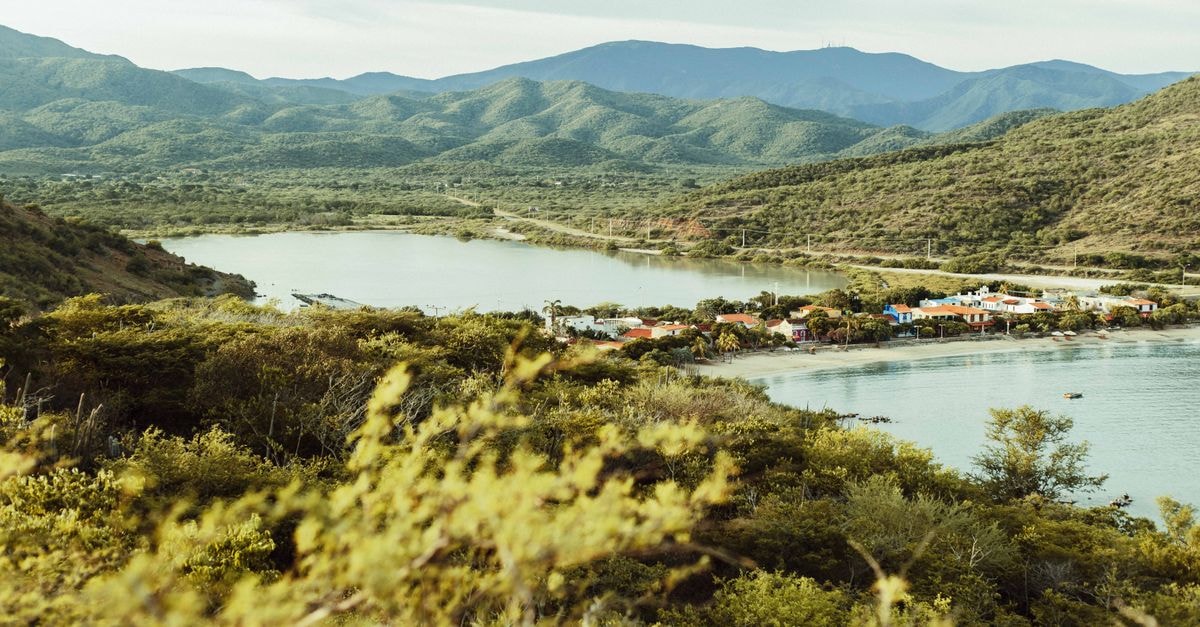
On the coast, Boca Chía is a representative southern beach known for its clear water. Beaches of this character tend to draw visitors looking for a quieter stretch of sand than the resort-heavy areas further east, and they pair naturally with a relaxed day rather than a busy itinerary. Beyond Boca Chía, the broader Azua area is described as having beautiful idyllic beaches in general, which gives visitors flexibility depending on where they are staying and how far they want to travel in a day.
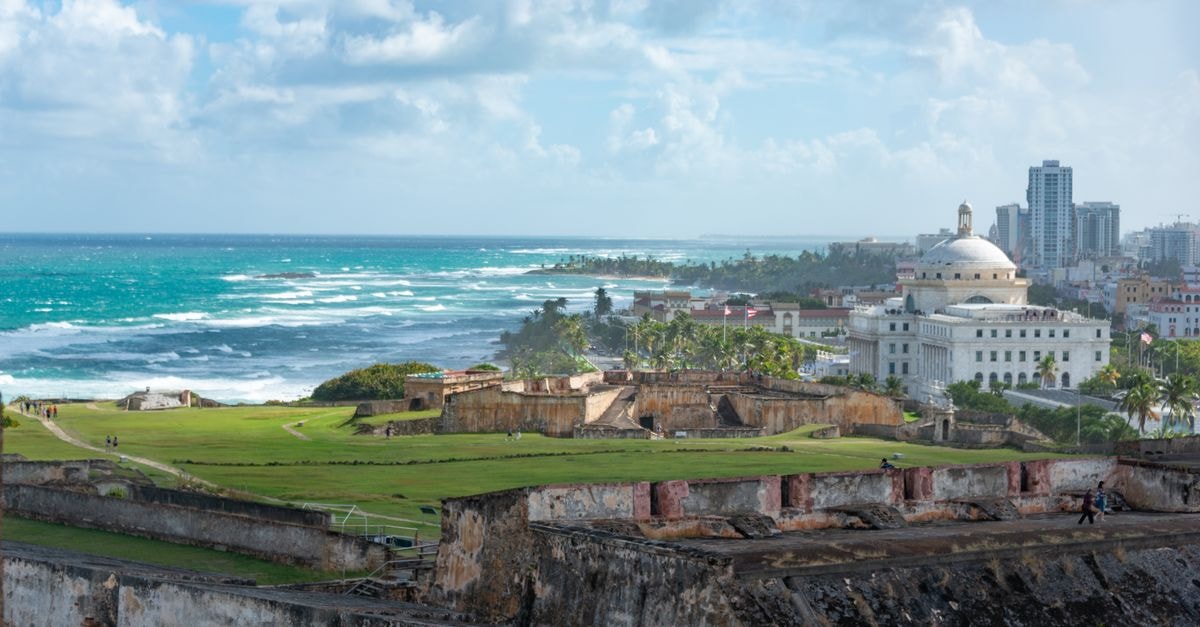
Inland, the city and its surroundings are home to countless historical places and monuments that connect directly to the national history of the Dominican Republic. Nuestra Señora de los Remedios Church is one of the locally recognized landmarks that visitors come across when exploring the older parts of the city. These sites tend to work well as a slow afternoon loop, especially once the midday heat eases.
The province also offers access to natural parks that round out the visit. For travelers who like a mix of culture and outdoor time, the practical pattern is usually a morning near the historical center, a slower middle of the day, and an afternoon heading either toward the coast or toward one of the protected natural areas outside town.
Food and local context
The dish most closely associated with Azua is La Bandera, which translates simply to "The Flag." It is one of the most popular dishes in the city and the kind of plate visitors are likely to encounter soon after arriving. Because it is presented as a local staple rather than a specialty restaurant item, it tends to show up in everyday places to eat rather than in a single headline venue.
Wider Dominican Republic food culture also shapes what visitors find on menus in and around Azua. The shared national table means that travelers coming from elsewhere in the country, or arriving for the first time, often recognize flavors and preparations that are familiar across the country. That national context is useful framing, but the city-specific plate to look for here remains La Bandera, eaten in the everyday setting where locals actually eat.
A practical note before you go
Factual travel conditions can change. Before departure, it is worth checking official channels for current airport operations at MDAD, the latest status of any historical site or natural park you plan to visit, and up-to-date guidance from local sources on transport, opening hours and beach access. Treat the details in this guide as a starting framework rather than a live confirmation, and verify anything that affects timing, cost or entry before you act on it.
Share this article
TOOLS FOR THIS PLAN
Make the Azua plan measurable
Choose a tool only when it answers the next question in your trip. Your values stay in the browser, and each tool offers a route back to this planning context.