A Quieter Counterpoint to Hanoi

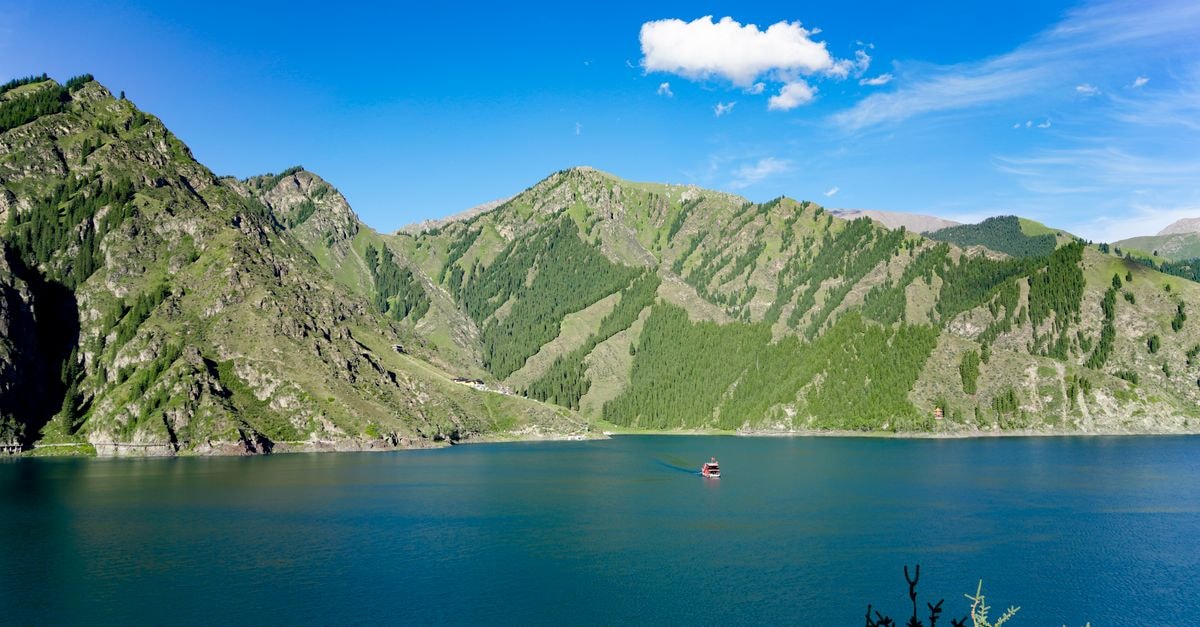
About an hour west of the capital, the forested slopes of Ba Vi rise up like a soft green exhale. This is the kind of place that rewards travelers who want to trade motorbike horns for birdsong, even if only for a few hours. The national park is widely described as Hanoi’s closest mountain wilderness, a sweep of roughly 11,000 hectares of forested peaks sitting around 60 kilometers west of the city. The air feels different here almost the moment the urban grid gives way to country roads, and that contrast is a big part of the appeal.
The park’s accessibility from Hanoi makes it a natural choice for travelers who want nature without a long-haul journey. It works well as a day escape, a slow-paced overnight, or a stop along a wider route through the countryside west of the city.
Attractions and Planning
The headline of any Ba Vi visit is the national park itself. It is positioned as Hanoi’s closest mountain wilderness, offering an 11,000-hectare spread of forested peaks just 60 km west of the city. For travelers who feel the pull of the jungle but do not want to commit to a multi-day trek, this scale and proximity make it a satisfying compromise.
The park is repeatedly described as offering a great escape from busy Hanoi, with fresh mountain air in a beautiful forested area. That phrasing hints at what the place actually feels like on the ground: a cooler, quieter, more textured landscape, with the kind of scenery that invites slow walking rather than ticking off sights.
When it comes to timing, the park can be visited all year round, as there is a good climate for hiking and jungle exploration every month. For travelers who like to plan around weather windows, that flexibility removes some of the usual pressure. A practical rhythm is to start early, let the morning light do most of the work in the lower forests, and save any summit plans for when visibility is on your side.
The protected area blends natural scenery with a cultural layer, a combination often highlighted when the destination is introduced. Travelers who enjoy places where history and landscape sit side by side may find this mix appealing. Hikers and casual walkers can both be satisfied, since the terrain supports both focused treks and gentler explorations.
A few practical notes that tend to matter in this kind of terrain:
- Footwear matters more than fashion. Trails can be damp, rooty, or muddy depending on recent weather. - Layering is your friend. Temperatures in elevated forest can feel noticeably cooler than in central Hanoi. - Water and a simple snack go a long way. Options inside the park may be limited compared with the city. - If photography is a focus, the soft, often misty light through the canopy rewards slower stops rather than a checklist pace.
Food and Local Context
Ba Vi is often framed as a place where natural beauty, cultural heritage, and culinary experiences meet. That description is worth taking seriously, because food is one of the more underrated parts of a visit here.
While you are in Ba Vi, you will also be eating within a country whose food culture runs unusually deep. Vietnamese cuisine is often described as a living language, stretching from royal banquets in former imperial cities to everyday street stalls in the capital. The breadth of that tradition means that even a short visit can touch very different flavors, techniques, and rhythms of dining. Local kitchens fit into that wider story, where simple, fresh, locally grown produce is treated with real care.
A few loose ways to think about eating well in and around the park:
- Look for dishes that visibly lean on what is grown nearby: herbs, vegetables, and proteins that read as local. - Ask what is in season. Small kitchens in this kind of setting tend to change with what the farms are sending out that week. - Treat the meal as part of the escape. Slow, fresh, mountain-sourced food is part of what makes a visit to this forested corner feel different from Hanoi.
Choosing What Fits the Trip
A few reader-fit notes, woven through the same evidence:
- If you prefer hiking and jungle exploration over sightseeing checklists, the park’s 11,000 hectares of forested peaks and its reputation for fresh mountain air may suit you well. - If you enjoy places where food is treated as part of the landscape rather than a separate activity, the local cuisine’s reliance on nearby farms and markets could be a highlight rather than an afterthought. - Consider starting early if you want quieter trails and softer light, and consider a slow midday meal if you want to feel the difference between city and mountain dining. - If a full day in the forest feels like a lot, even a half-day visit can still deliver the contrast that makes the park worth the trip west of Hanoi.
A Quick Note Before You Go
The park works best when treated as a complement to Hanoi rather than a replacement for it. A morning in the forest, an unhurried lunch, and a return to the city before dark is a natural shape for the day. Travelers who want to linger can build in extra time for slower walks or a relaxed meal in the surrounding countryside.
Because practical details such as opening hours, transport schedules, ticket arrangements, and current conditions can change, it is always worth checking official or up-to-date local channels before you set out. Treat this guide as a starting framework, then confirm the finer points closer to your visit so the day matches the conditions on the ground.
Prices, opening hours, schedules, reservation rules, and local conditions can change; verify them through official channels before departure.
Share this article
TOOLS FOR THIS PLAN
Make the Ba Vi plan measurable
Choose a tool only when it answers the next question in your trip. Your values stay in the browser, and each tool offers a route back to this planning context.