An old crossroads in northern Karnataka
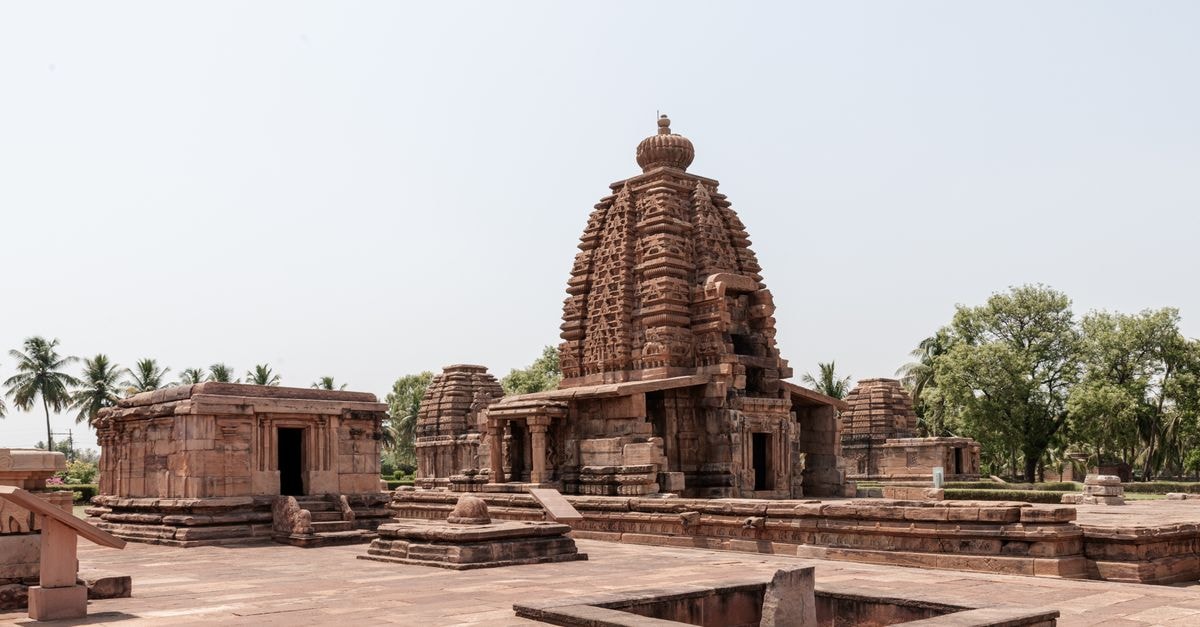
Ballari sits in a region where history presses close to the present. The wider area is described as preserving evidence of some of humanity's earliest settlements, echoing with legends of the Ramayana, and serving as a gateway to some of South India's most celebrated heritage landscapes. The city itself is part of a long continuum that runs from prehistoric sites and sacred hilltop shrines to formidable forts and connections with the Vijayanagara Empire, so a visit can feel less like a single stop and more like threading through thousands of years of layered history. That sense of depth shapes the way many travellers pace their time here, balancing monumental sights with quieter neighbourhood discoveries.
Weather and seasonal context
The cooler half of the year in Ballari brings a gradual shift in feel. Climate data for the city shows average highs near 30 during this period, with afternoons that tend to feel warm, mornings described as mild, skies that are very sunny, light winds, humid air and the broader character of a wet month easing off as the year turns. Source averages are drawn from the 1981–2025 climate window, so they speak to long-run patterns rather than any single day's mood.
The broader travel consensus is that the best time to visit Ballari is winter, when mild days and cool evenings make sightseeing comfortable. That traveller-friendly window means layering for warm afternoons and gentler mornings, planning heavier outdoor time for earlier in the day, and saving fort or hilltop visits for when light is softer and temperatures are friendlier. Because humidity can still linger, a slower pace and frequent water stops tend to suit the climate better than a packed schedule.
Getting around
Ballari's transport story is quietly distinctive. Ballari Airport was used during World War II and is still in very good working condition, an unusual piece of aviation heritage that travellers sometimes notice on approach or departure. On the ground, Ballari Railway station is one of the oldest railway stations in India, constructed during the British era, and Ballari Junction (BAY) is a major railway hub. Together, the rail and air links make arrival and departure relatively flexible, with the rail station especially useful for those connecting from other parts of Karnataka or from longer-distance Indian rail routes.
There is also a strong local economic rhythm that visitors tend to encounter as soon as they start exploring. The town houses a massive, bustling apparel industry that produces high-quality, durable denim garments distributed all over India, which is why Ballari is sometimes nicknamed Jeans City. For travellers, that industrial presence translates into plenty of shops, showrooms and street stalls selling denim at competitive prices, making the city a natural place to browse for everyday wear rather than a planned shopping stop.
Attractions and planning
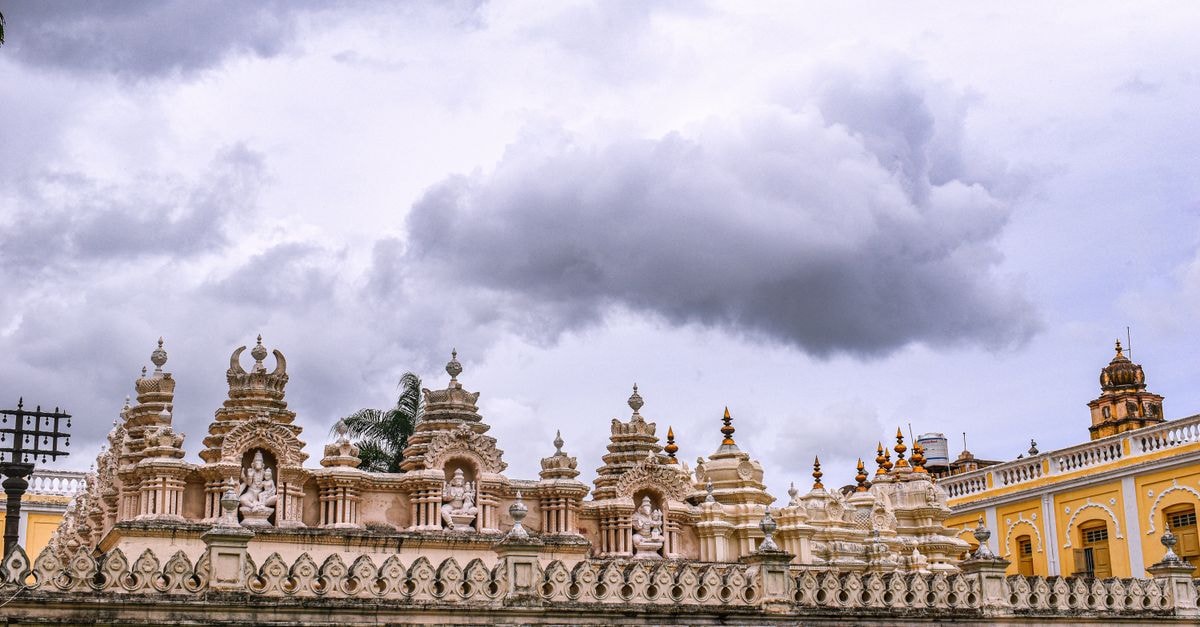
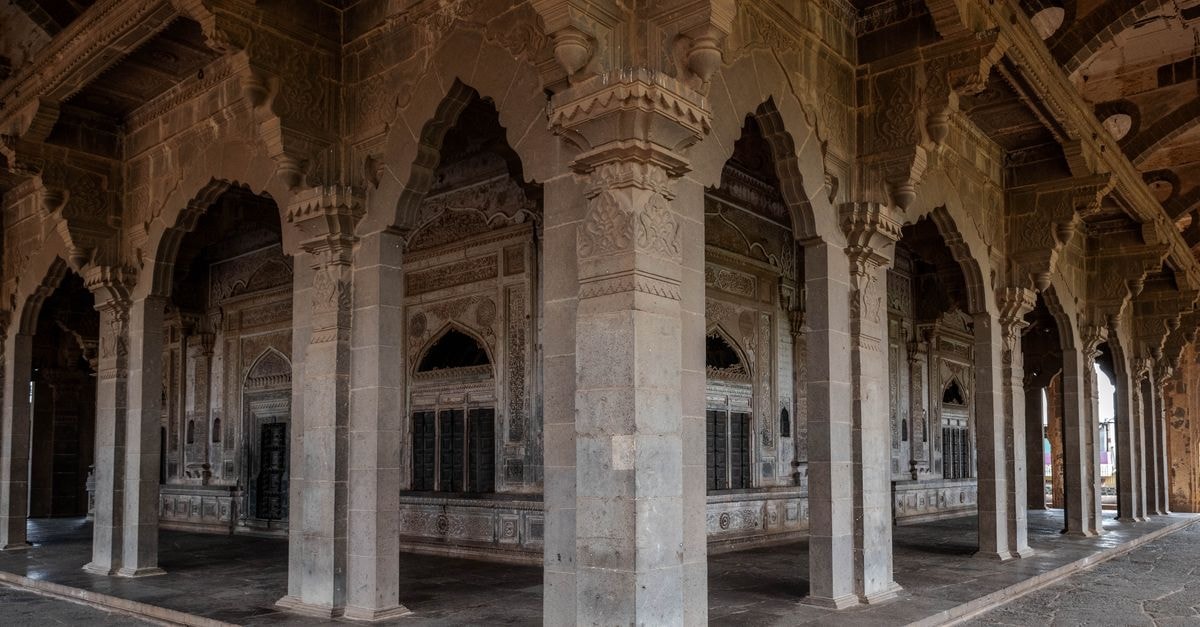
Ballari is best understood as a city whose identity stretches across eras. It is a land that preserves evidence of some of humanity's earliest settlements, echoes with the legends of the Ramayana, and serves as a gateway to some of South India's most celebrated heritage landscapes. From prehistoric archaeological sites and sacred hilltop shrines to formidable forts and connections with the glorious Vijayanagara Empire, Ballari offers travellers an opportunity to journey through thousands of years of history. The fort at Ballari, the surrounding hill landscape and the wider Vijayanagara-linked heritage sites form the backbone of most sightseeing plans.
Because the historical pull here is so layered, it helps to choose a few anchor themes rather than trying to cover everything. Some travellers focus on the fort and its commanding views, others on the deeper Vijayanagara story that links Ballari to the empire's broader arc, and others on the older prehistoric layers that give the region its geological weight. If you prefer contemplative sightseeing, planning around the lower-lying heritage zones and flat museum-style stops may suit you better than an ambitious hilltop sequence, though the documented evidence here speaks to historical significance rather than physical demands, so a quick check of access conditions before a steep climb is worthwhile.
Food and local context
The food scene in Ballari reflects its geography. The Ballari/Hampi area specifically shows a strong influence from North Karnataka and traditional Vijayanagara Empire food, so menus and street stalls tend to skew toward hearty grain-based dishes, robust gravies and chutneys that travel well in a working city. Regional variations include a clear North Karnataka influence, and dishes like Jowar Roti (flatbread made from sorghum flour), Ennegayi (stuffed brinjal curry), and Shenga Chutney (peanut chutney) are part of the local repertoire worth seeking out.
For travellers who think about food in seasonal terms, the cooler winter months are often framed as ideal for enjoying hot street foods like Tawa Fried Idli and Pav Bhaji, since the warming, freshly-fried character of these dishes tends to suit cooler evenings. More broadly, the Ballari/Hampi area is presented as a comprehensive guide to the top must-try foods in Ballari (Bellary), Karnataka, with a generous spread that runs from breakfast staples to evening snacks, giving visitors a natural way to map their meals around the city's working rhythms rather than chasing a fixed checklist.
Choosing what fits your trip
Because the evidence here leans on heritage, regional food and transport basics rather than curated attractions lists, a few tradeoffs stand out. Travellers drawn to monumental history and willing to pace around warm afternoons will find Ballari rewarding, especially when plans leave room for the Vijayanagara-linked sites to breathe rather than racing between them. If denim shopping and everyday market browsing appeal, the city's apparel industry offers an easy side activity woven into ordinary wandering rather than a separate excursion. Travellers whose main interest is winter-window street food may want to plan heavier meals for the cooler evenings that the winter months tend to bring, when fried breakfast staples and warming snacks sit more comfortably with the temperatures. Those who prefer contemplative heritage stops over ambitious hill climbs may find the lower-lying sites and neighbourhood food streets more comfortable to layer into a relaxed day.
Before you go
Factual travel conditions can change, and official channels should be checked before departure for current transport schedules, station facilities, and any local advisories that may affect a visit to Ballari.
Share this article
TOOLS FOR THIS PLAN
Make the Ballari plan measurable
Choose a tool only when it answers the next question in your trip. Your values stay in the browser, and each tool offers a route back to this planning context.