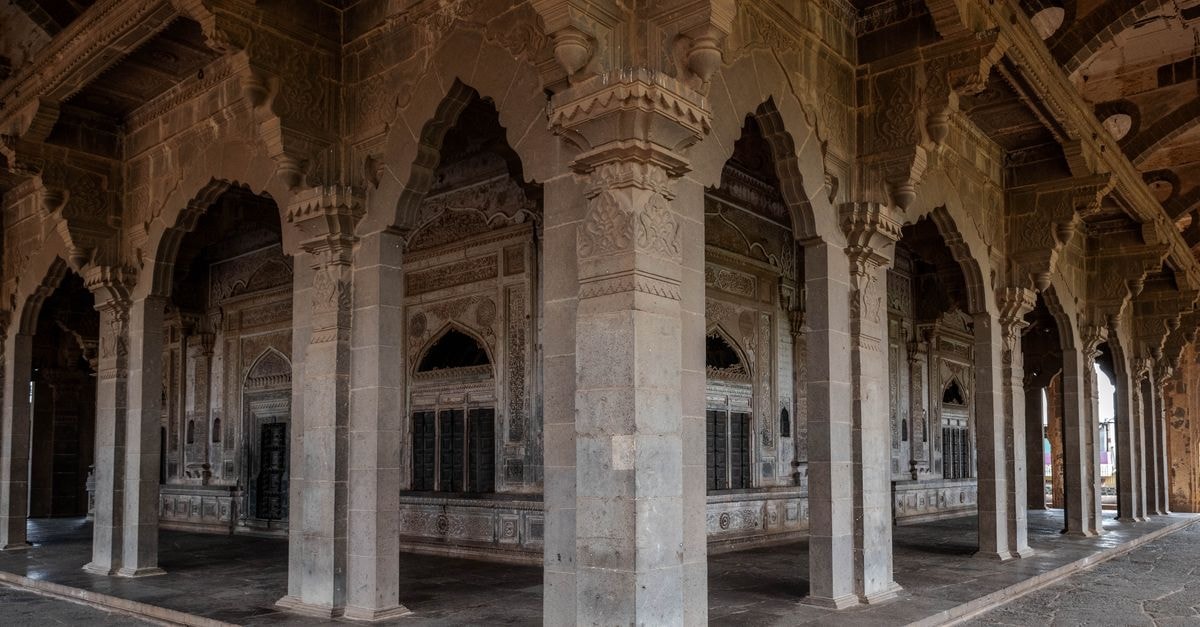
Where Mountains Meet the Coffee Story

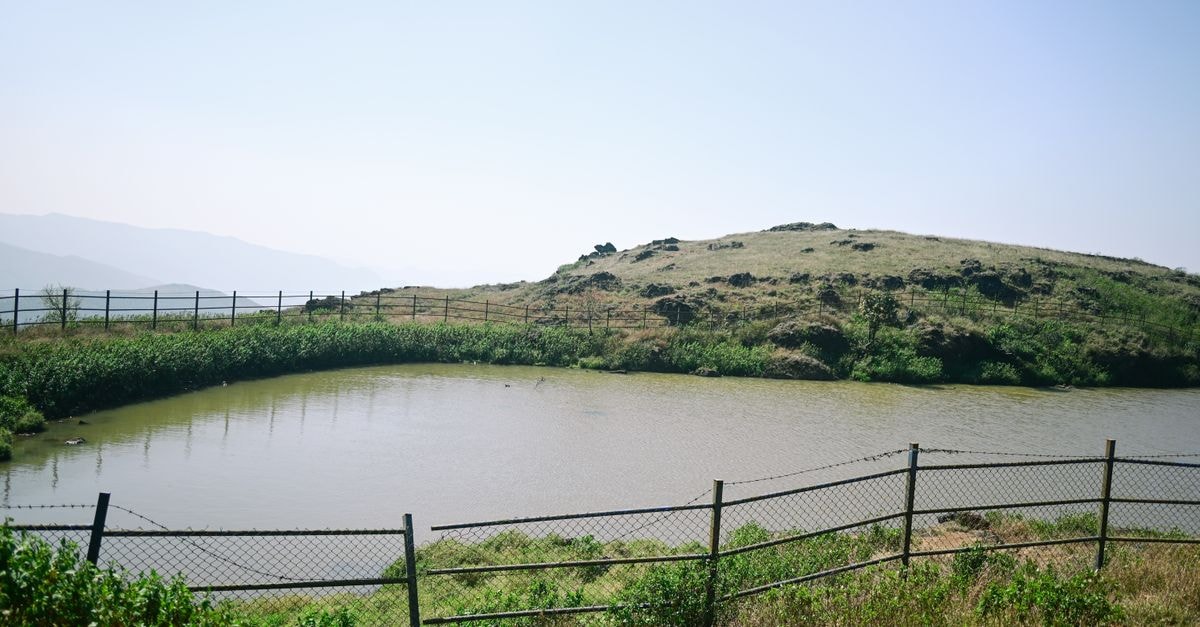
There is a particular stillness to the Western Ghats that travelers remember long after they leave. Chikkamagaluru, often shortened to Chikmagalur, sits inside that quieter, greener rhythm. The district lies in the western part of Karnataka, with its headquarters town giving the region its name, and it forms an important part of the Malnad region of the Western Ghats (F2-2). Mist drapes mountain slopes here, and coffee estates stretch across rolling terrain, giving the landscape its signature layered look (F1-1).
Beyond the scenery, the place carries a particular claim to fame: coffee was first cultivated in Chikmagalur in India (F3-2). That single historical thread ties together the high-altitude landscape, the deep-rooted local traditions, and the unhurried pace of life shaped by nature that visitors often notice on arrival (F1-2). The district itself is widely known for its lush green hills, coffee plantations, and rich natural beauty (F2-1), and Chikmagalur is a district in the state of Karnataka, organized around its headquarters town (F3-1).
Think of this guide as a slow introduction. It is for travelers who want the lay of the land first, the kind of regional context that makes the rest of the trip feel less rushed.
Weather and Seasonal Context
Chikkamagaluru does not advertise its climate the way coastal cities do. Instead, the weather simply shows up in the colour of the slopes, the height of the clouds along the ridge, and the way mornings tend to begin on a soft, muted note. Because the district is part of the Western Ghats, the surrounding terrain shapes what travelers feel day to day. Hills after the Wodeyar King, Krishnaraja Wodeyar, who had made it his favourite summer camp, even once drew royal attention as a refuge from heat, a reminder that this part of Karnataka has long been valued for its cooler mountain air (F4-2).
Travelers who pace themselves tend to enjoy the Ghats most. Early starts reward you with clear ridge lines before the clouds build, while late afternoons can feel softer and quieter as the mist settles back in. Pacing the day around the landscape rather than against it is a habit locals have practiced for generations, and visitors often fall into it naturally after a day or two. Lingadahalli is the junction point to go for Kemmangundi, a scenic hill station on the Baba Budan Giri range of hills, which gives a sense of how the terrain rises in layered stages from the town outwards (F4-1). The Western Ghats can be dramatic in their shifts, so it is wise to dress in light layers, keep a rain-friendly layer close at hand, and treat the weather as part of the experience rather than a backdrop.
Because weather conditions in the hills can shift quickly, it is always a good idea to check local forecasts before heading out each morning.
Getting Around and Reaching the District
Chikkamagaluru is best thought of as a destination you ease into rather than rush toward. The town itself is the district headquarters, and the wider district covers a broad sweep of plantation country and hill terrain (F3-1). Getting in and moving around rewards a little patience.
For travelers arriving by rail, Kadur is the nearest railway station to Chikkamagaluru (F6-1). If a particular train is non-stop at Kadur, Birur is the next nearest railway station, offering a useful fallback option for planning onward road connections (F6-2). Both stations sit a little away from the town itself, so the final leg of the journey typically involves a road transfer through the plantation belt, which doubles as a gentle introduction to the landscape (F1-1). Within the region, the high-altitude terrain and the spread of estates mean that distances can take longer than they look on a map, and the roads themselves are part of the scenery (F1-2). The deep-rooted traditions and pace of life shaped by nature that visitors encounter here are felt most clearly in motion, on the slow bends between coffee gardens and ridge viewpoints (F1-2). Plan transfer windows with a little extra buffer so the journey stays relaxed, and you will arrive in the right frame of mind for the place.
A Slower Way of Seeing Chikkamagaluru
The most rewarding way to experience Chikkamagaluru is to let its layers unfold. The district lies in the western part of Karnataka and forms an important part of the Malnad region of the Western Ghats, so every hill you see carries a sense of geological time (F2-2). The lush green hills, coffee plantations, and rich natural beauty are not just visual signatures but part of how the region has always organized daily life (F2-1). Coffee was first cultivated in Chikmagalur in India, and that heritage still sets the rhythm of many mornings here (F3-2).
Allow time for unhurried stops. A viewpoint near a bend in the road, a stretch of estate where the canopy opens up, a village corner where life moves at its own pace — these are the moments that give the trip its texture. Hills after the Wodeyar King, Krishnaraja Wodeyar, who had made it his favourite summer camp, remind visitors that this landscape has long invited people to linger rather than pass through (F4-2). And if a day includes a turn toward Kemmangundi, remember that Lingadahalli is the junction point to go for that scenic hill station on the Baba Budan Giri range of hills, and the road there is itself part of the pleasure (F4-1).
Final Notes Before You Go
A few practical reminders help tie everything together. Kadur is the nearest railway station to Chikkamagaluru, and if a train does not stop there, Birur is the next nearest railway station (F6-1, F6-2). The district is part of the Western Ghats and the Malnad region, so layering clothing and planning for misty or wet stretches is sensible (F2-2). Coffee cultivation in Chikmagalur goes back to the very first cultivation of coffee in India, so estate visits and plantation scenery carry real historical weight (F3-2). And because Chikkamagaluru blends high-altitude landscapes with deep-rooted traditions and a pace of life shaped by nature, the most useful thing a traveler can pack is extra patience (F1-2).
Factual conditions, from train timings to local accessibility, can change over time, so it is always wise to verify the latest details through official transport and tourism channels before departure.
Prices, opening hours, schedules, reservation rules, and local conditions can change; verify them through official channels before departure.
Share this article
TOOLS FOR THIS PLAN
Make the Chikkamagaluru plan measurable
Choose a tool only when it answers the next question in your trip. Your values stay in the browser, and each tool offers a route back to this planning context.