A Slow Welcome to Bandung

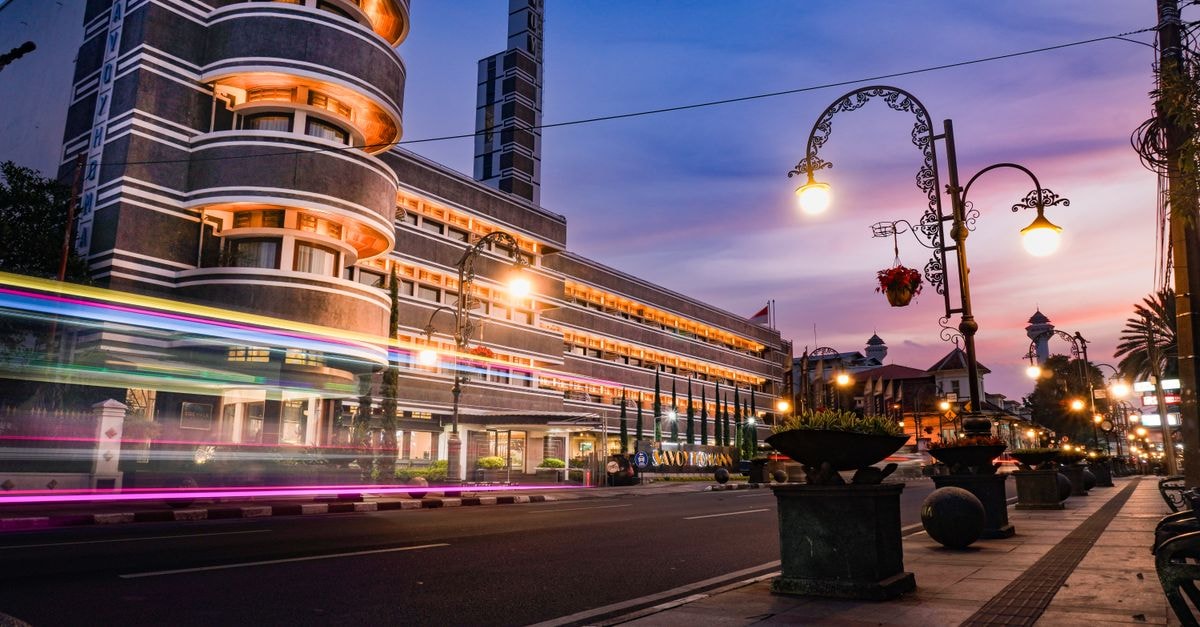
Bandung sits in the highlands of West Java, and that setting tends to shape how a visit unfolds. Mornings can feel bright and breezy, and the rhythm of the city invites unhurried strolling through neighbourhoods where small businesses, cafés and casual eateries line the streets. Because Bandung is surrounded by mountains and tea country, it has long drawn weekenders from Jakarta and visitors from further afield, so the infrastructure for short city stays is well established. The way you choose to move through the city, and the way you approach local food culture, will do a lot to define the texture of your trip.
This guide focuses on two foundations: how to get around Bandung using the public transport options available, and how to think about Indonesian food culture so you can eat with both curiosity and ease. Both are practical entry points that quietly shape every other decision a traveller makes once they arrive.
Getting Around by Public Bus and Shared Routes
Bandung's public transport is best understood as a layered network rather than a single unified system. The most visible name for many travellers is DAMRI, the state-run bus service. DAMRI is primarily known as an inter-city operator, connecting Bandung with other destinations across Java and beyond, and it also runs specific routes within the city itself. For visitors, that dual identity is worth keeping in mind: a DAMRI vehicle you see pulling away from a terminal may be heading to another city, while certain routes operate along inner-city corridors and can be useful for getting between districts without arranging private transport.
Because the in-city DAMRI routes are specific rather than citywide, they tend to work best for travellers who have a clear corridor in mind, for instance a connection between a transport hub and a particular neighbourhood, or a direct line that follows a main road. They are not generally the tool for door-to-door exploration, and most visitors combine them with walking, taxis or ride-hailing services for shorter hops. If you are arriving by DAMRI from another city, the terminal itself is a useful orientation point and a natural place to ask staff about which inner-city routes run from that location.
A practical approach is to think of DAMRI as one option in a broader transport toolkit rather than the only option. Confirm route numbers and stops at the terminal or through local information points before boarding, since in-city services can be limited to certain corridors rather than blanket coverage. Travellers who prefer flexibility often pair DAMRI for longer or hub-to-hub journeys with shorter, more direct modes for everyday movement around Bandung.
Indonesian Food Culture as a Travel Lens
Food in Indonesia is one of the most direct ways to read the country, and Bandung, as a West Java city, sits firmly inside that wider culinary world. Markets, street stalls and family-run restaurants tend to be where the texture of a place becomes most visible, often more so than any formal guidebook. For visitors, this means that the most rewarding food experiences are usually the ones that happen spontaneously: a small warung you walk past at the right hour, a market stall where a vendor steams something fragrant, or a casual restaurant filled with locals rather than tourists.
Approaching Indonesian food with a sense of curiosity rather than a fixed checklist is often the difference between a forgettable meal and a memorable one. That said, a little context helps. Indonesia is a predominantly Muslim country and observes strict halal dietary practices, so halal awareness is part of the everyday food landscape you will encounter in Bandung. For travellers, this is usually reassuring rather than restrictive: many restaurants, warungs and street vendors operate within halal frameworks, and halal labelling is widely used. Visitors with specific dietary needs can rely on the strong presence of halal options, while those simply curious will find that the country's halal traditions shape menus, ingredient choices and the rhythm of dining hours in subtle but consistent ways.
Beyond that, Indonesian food is known for a few recurring threads: the centrality of rice as a daily staple, the generous use of aromatic pasts, chilies and fresh herbs, the presence of satay, soups and richly spiced dishes, and the love of snacks and sweet treats enjoyed at any hour. None of these are unique to Bandung, but they form the backdrop against which the city's own food personality plays out. Bandung is part of West Java, where Sundanese cooking traditions influence menus, so travellers who arrive with a loose sense of Indonesian staples will find it easier to recognise what is on the plate and to ask informed questions.
A useful travel habit is to let one or two meals a day be guided by what you see rather than by a plan. Markets in the morning, street stalls in the afternoon, and a sit-down restaurant in the evening give a balanced picture of how Indonesians themselves eat across the day. If a particular dish looks unfamiliar, asking a vendor or a fellow diner what it is and how to eat it is almost always welcomed; food conversation is a friendly entry point into local life in Bandung.
Linking Movement and Meals
The two themes of this guide, transport and food, intersect more than they first appear. Markets, popular eating streets and evening food spots are often easiest to reach by mixing modes: a DAMRI bus for the longer leg into a new district, then walking or a short ride for the final approach. Because DAMRI runs specific in-city routes, it can also be a way to position yourself in a neighbourhood known for its food scene, after which exploration becomes a matter of foot and appetite. Thinking of transport as a way to set your base for a meal, rather than as a way to race between fixed sights, tends to match the way Bandung is actually enjoyed.
This also helps with pacing. Bandung's setting and food culture both reward a slower tempo, and the transport network, with its mix of hub-based bus routes and shorter on-the-ground options, supports that rhythm rather than fights it.
A Final Note Before You Go
Bandung is a city that rewards travellers who keep things simple: use the public transport that fits each journey, including specific in-city DAMRI routes for the right corridors, and approach Indonesian food with both curiosity and respect for the country's halal traditions. Eat where locals eat, ask questions when something looks unfamiliar, and let the rhythm of markets, warungs and family-run restaurants shape at least part of your itinerary. Practical details such as routes, schedules and specific venues evolve over time, so it is always worth checking current information through official transport channels and local sources before and during your trip. Currency values, fares and operating hours can change, and confirming them on the day is a sensible habit for any traveller in Indonesia.
Prices, opening hours, schedules, reservation rules, and local conditions can change; verify them through official channels before departure.
Share this article
TOOLS FOR THIS PLAN
Make the Bandung plan measurable
Choose a tool only when it answers the next question in your trip. Your values stay in the browser, and each tool offers a route back to this planning context.