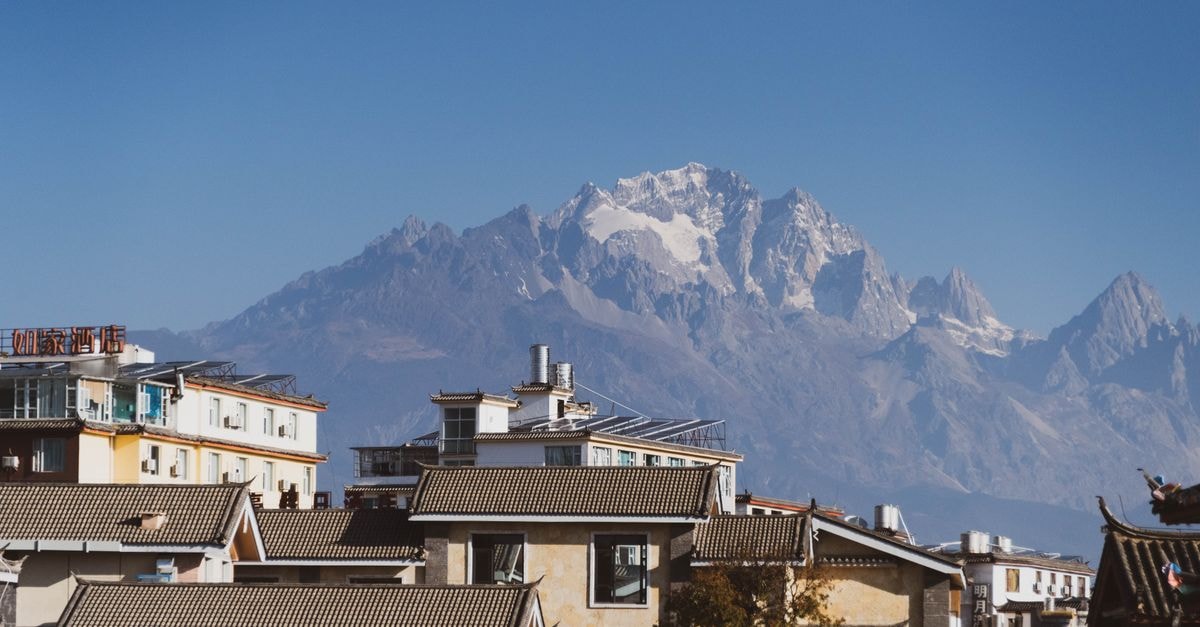
Overview

Shigatse sits in the southwest of the Tibet Autonomous Region, in the broader southwest of China, and carries the quiet rhythm of a regional capital that is more lived-in than tour-polished. The city is known regionally for one of Tibet's more distinctive food traditions, and it has steadily grown more reachable by rail and air in recent years. For travelers who like places that feel rooted in place rather than staged for visitors, Shigatse rewards a slower approach: a few days to settle in, eat well, and use the city as a base for exploring the surrounding region.
This guide focuses on what is firmly supported: how the city is positioned geographically, how transport into and around Shigatse actually works, and the food culture that you will encounter in town. It is written to be useful on any visit, without seasonal assumptions.
Getting around
Shigatse has grown increasingly accessible over time, and rail and air services now make reaching the city easier than in the past. That said, the city itself is only part of the picture. Most county-level attractions in the wider Shigatse area still depend on road transport, which shapes how a visit is likely to unfold: you arrive in town, settle in, and then plan road-based excursions for the surrounding region rather than expecting rail or flight connections to every point of interest. Travelers who prefer to base themselves in one place and make day-style movements from there will find this arrangement natural to work with. If you would rather reach remote corners without a vehicle, it is worth thinking about how you will connect to local road transport in advance, since the rail and air network covers the city rather than the wider county-level destinations.
Food and local context
Food is one of the most immediate ways to get a feel for Shigatse. The city offers one of Tibet's most regionally distinctive food cultures, which is a useful starting point for any visitor who wants to understand what they are eating and why it tastes the way it does. Tibetan cuisine as a whole is deeply rooted in the culture and environment of Shigatse, and that connection between plate and place is part of what makes eating here a meaningful part of a visit rather than a side note.
Among the local snacks, **Pengbi** is regarded as one of Shigatse's most representative. It is the kind of dish that locals will point you toward when you ask what is distinctly from here, and trying it is one of the more direct ways to engage with the city's food identity. Beyond a single named dish, the broader pleasure of eating in Shigatse is the texture of regional cooking: flavors and ingredients that reflect the plateau environment and the agricultural and pastoral life around the city.
Choosing what fits your trip
A short note on how to shape a Shigatse visit around what you actually enjoy. If reaching the city easily and then exploring the surrounding countryside by road sounds appealing, the current setup of rail and air access into Shigatse combined with road-based access to county-level attractions fits that style of travel naturally. If your interest is primarily in regional food and you are happy to spend time tasting local dishes and asking about their background, Shigatse's reputation for one of Tibet's more distinctive regional food cultures makes it a rewarding place to linger over meals. If you prefer cities with a strong sense of regional identity over more generic large-city environments, the city's position in the southwest of Tibet and its character as a regional center tend to suit that preference. The main tradeoff to keep in mind is that the city itself is well connected, but destinations in the wider area still require road transport, so travelers who dislike long overland movements may want to focus their time in and around the city itself.
A note before you go
Travel conditions, transport options, and food availability can change over time, and details that are accurate at one point may shift as services develop and the region evolves. For the most current information on rail and air services into Shigatse, on the specific attractions you plan to visit, and on what is being served locally, official transport and tourism channels are the best source to check before you travel. Treat any specific detail you gather during planning as worth confirming close to your trip, and let the broader picture above serve as a steady frame for your visit.
Prices, opening hours, schedules, reservation rules, and local conditions can change; verify them through official channels before departure.
Share this article
TOOLS FOR THIS PLAN
Make the Shigatse plan measurable
Choose a tool only when it answers the next question in your trip. Your values stay in the browser, and each tool offers a route back to this planning context.