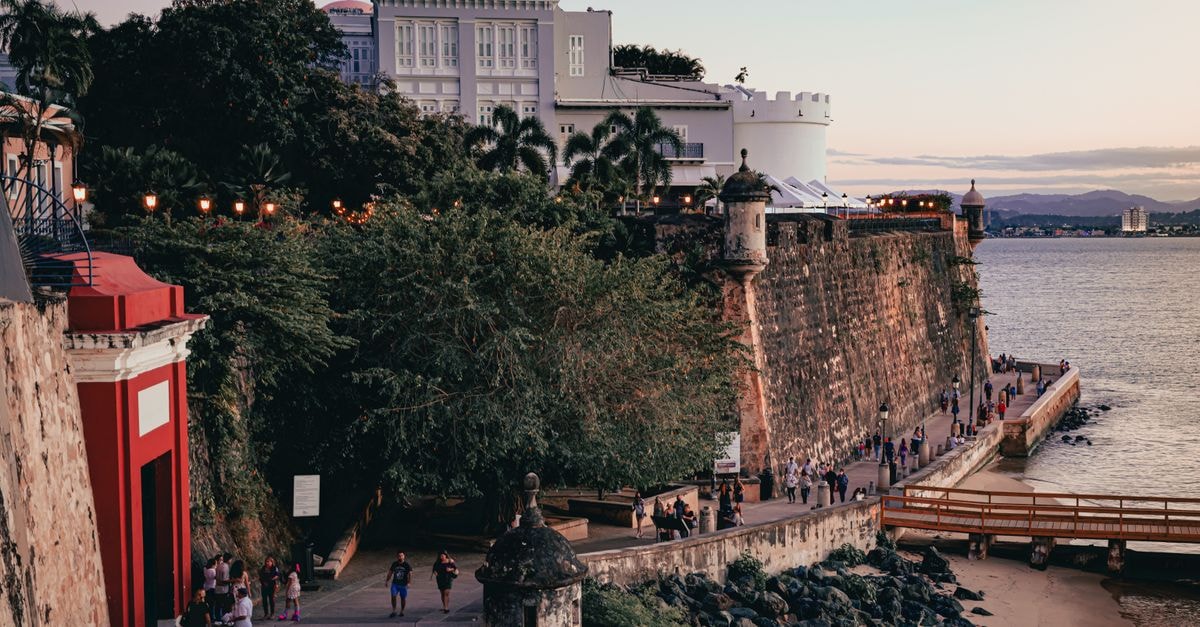
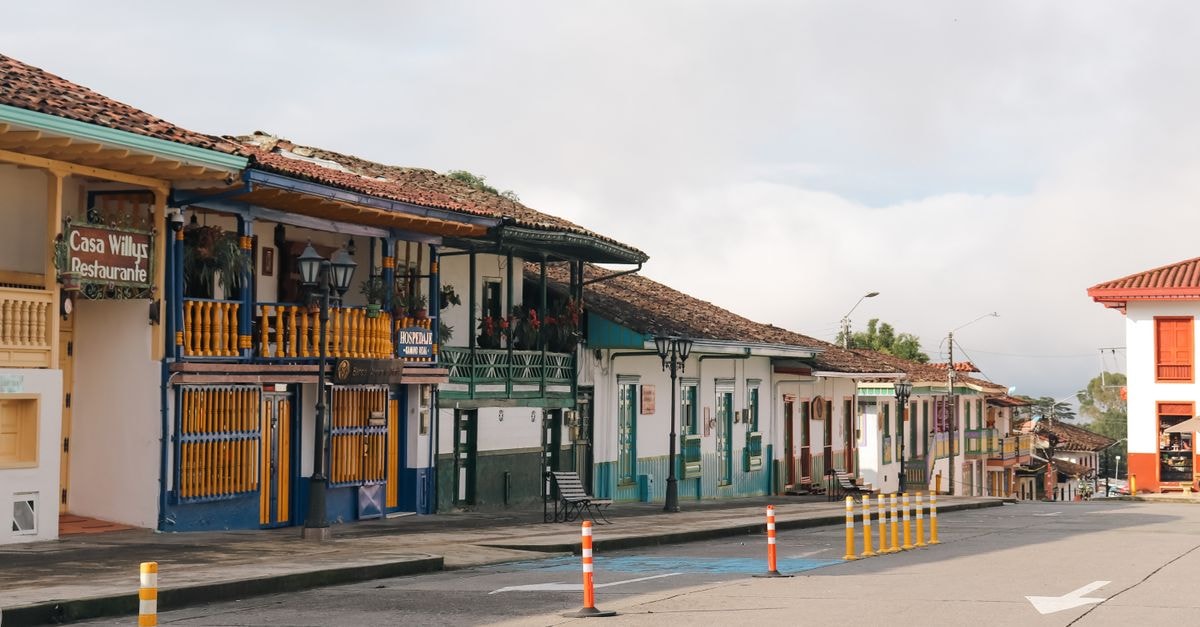
An unhurried corner of the Dominican Republic

Baní is the kind of place that travelers who like to wander a little off the standard route tend to appreciate. It sits in the Peravia province and carries the feel of a city that is more about its surroundings than its skyline: a place where the natural landscape often outshines the urban one, and where a slower rhythm can replace the usual checklist.
This Baní travel guide is built around what the available sources actually support: a small set of named places to anchor your visit, and a wider frame for understanding Dominican food culture you may encounter while you are here.
Attractions and planning
A useful way to think about Baní is that the city itself is the gateway, and the nearby landscapes are the reason most people feel rewarded for making the trip. An organization of Dominican travel agencies whose stated mission is to share the country's culture and heritage describes the city as a very special place to visit in the Dominican Republic, and uses it as a base for highlighting a handful of well-known local points of interest.
According to that organization's overview of what to see in Baní, the city's signature sites cluster around nature and heritage rather than museums or nightlife. The list groups the Dunes of Baní, the Salinas de Baní (the local salt flats), the Cathedral of Baní, and the Centro Cultural Perelló as the main things to see. For beach time, Playa Salinas is highlighted as the coastal stop associated with the area.
A few practical ways to use that list:
- Group inland and coast in one loop if your day allows. The Cathedral of Baní and the Centro Cultural Perelló both sit in central Baní, while the Dunes and Salinas are reached by heading out toward the coast. If you prefer to keep cultural stops separate from nature stops, the Centro Cultural Perelló and the Cathedral pair well for a morning walk, leaving the afternoon for the dunes, salt flats, or the beach. - Expect a day that is more about pacing than about ticking attractions. The named sites are spread across different environments, so visitors who like variety in a short stay may suit this city, whereas anyone expecting a single, dense heritage quarter should be aware the highlights sit in distinct settings. - Treat the listed sites as anchors rather than a complete inventory. The overview is a curated selection, so independent travelers who enjoy digging a little deeper at the destination may want to ask locally about walking routes, viewpoints, or community events once they arrive.
Food and local context
Baní does not have a documented signature dish in the sources available here, so it makes more sense to read this part of the country through its wider food culture, then let your own curiosity guide what you try on the ground.
Across the Dominican Republic, food is often described as a meeting point of Spanish, Taíno, and African influences. The country's culinary identity is regularly framed around hearty, shareable dishes that work well for travelers who like to eat the way locals do, sitting down to a single large plate rather than several side orders. Two dishes that travelers tend to meet repeatedly in the Dominican Republic are sancocho, a thick, slow-cooked stew that functions almost as a national comfort dish, and cabrito guisado (stewed kid), which is widely prepared across the country. Along the coast, the cooking style leans toward fish cooked with coconut, a dish that tends to show up especially in coastal areas and that travelers spending time near Playa Salinas may come across.
A few grounded ways to approach eating in Baní:
- Look for places serving sancocho or stewed kid if you want a classic Dominican plate, since these are described as widely available countrywide. Travelers who enjoy a long, social lunch built around a single shared pot may suit this style of eating, whereas visitors who prefer a quicker course of two or three small plates should plan accordingly and ask about portion sizes before ordering. - Seek out coastal spots for fish cooked with coconut if you are spending time near the beach, since this style of preparation is described as especially common in coastal areas. - Keep an open lane for the wider frame. Because the country's cuisine is described as a blend of Spanish, Taíno, and African influences, with many traditional Spanish dishes living on in adapted form, visitors who enjoy comparing how a familiar dish changes from one country to another may find this part of the country rewarding at the table.
For everyday needs, the same Baní overview notes that the main shopping centers for groceries and general goods are the La Maravilla network of stores and supermarkets, which is useful independent information for travelers planning to self-cater or stock a small cooler for a day out to the dunes or the coast.
A short note on getting to know Baní
Because the sources available for this guide are limited to a small set of attractions and country-level food context, it helps to keep expectations modest and curiosity high. Baní is positioned as a destination where the surroundings carry the experience more than the city center does, and where the food story is best read through the wider Dominican frame rather than a single, signature local dish.
A few small adjustments that tend to help:
- Build your day around one natural site and one cultural or urban stop rather than trying to fit everything in at once. The Dunes of Baní, the Salinas de Baní, and Playa Salinas each invite unhurried exploration, while the Cathedral and the Centro Cultural Perelló are better suited to a calmer, more reflective pace. - Treat the culinary exploration as a countrywide invitation. Travelers who like to learn how a national cuisine reads at the regional level may suit this approach, since sancocho, stewed kid, and fish cooked with coconut are framed as common Dominican plates rather than Baní-specific creations. Travelers hoping for a single, named Baní specialty should be aware the available sources do not document one. - Plan a flexible afternoon. Because the city's strongest points of interest sit in different environments, leaving a window for a slower walk, a viewpoint, or a local recommendation tends to suit independent travelers more than a fully timed itinerary.
A quick question to ask locally
If you would like one simple thing to check on arrival, consider asking a local guide, your accommodation, or the Centro Cultural Perelló whether any community events, markets, or cultural activities are running during your visit. None of the sources available here document specific schedules, so confirming in the moment is the most reliable way to catch anything time-specific.
A note on verification
The factual details in this Baní travel guide reflect the approved sources available at the time of publication. Travel conditions, opening hours, transportation options, and on-the-ground details can change, so it is always wise to confirm current information through official channels and local contacts before your trip, and to check the live exchange rate before exchanging money.
Share this article
TOOLS FOR THIS PLAN
Make the Baní plan measurable
Choose a tool only when it answers the next question in your trip. Your values stay in the browser, and each tool offers a route back to this planning context.