Arriving in Beira, the city where two rivers meet the sea

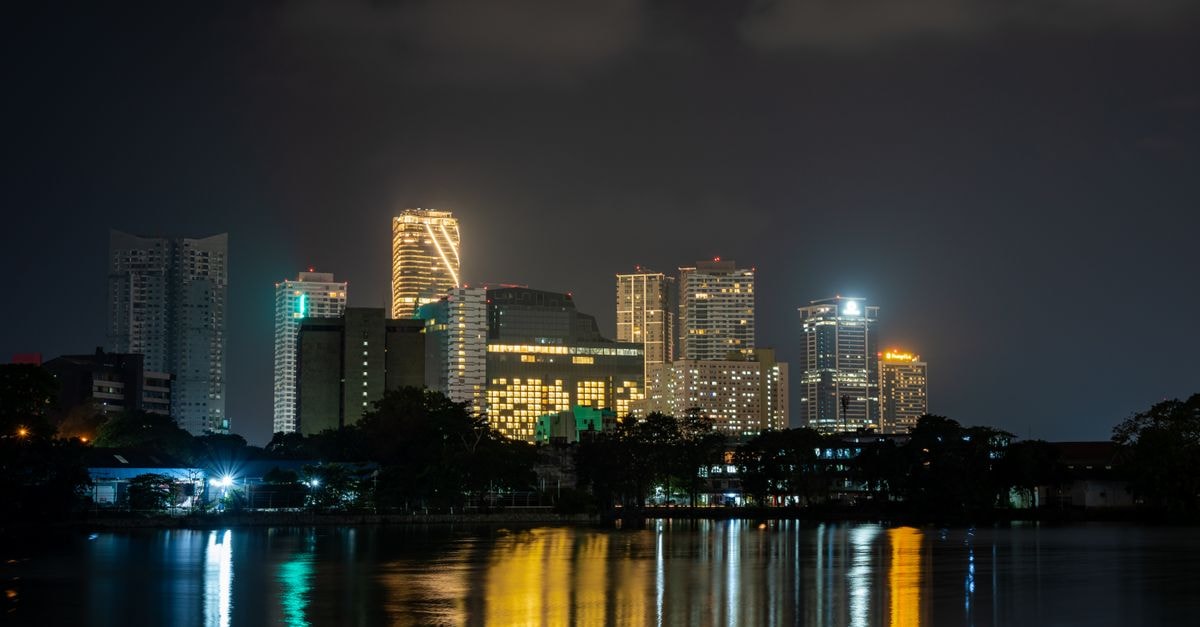
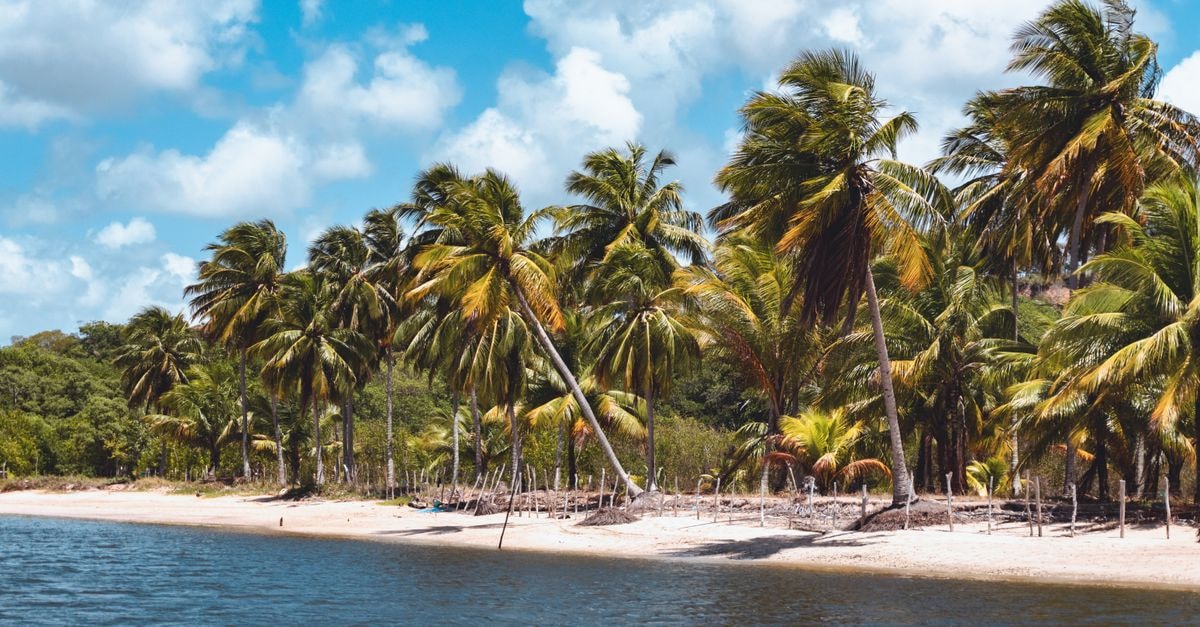
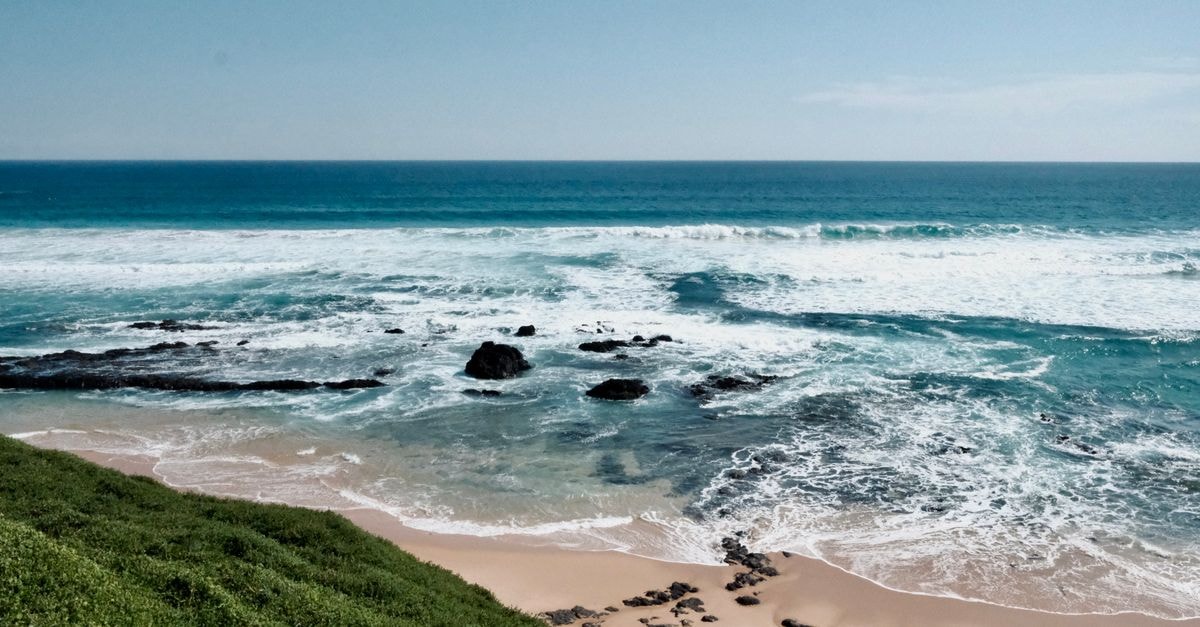
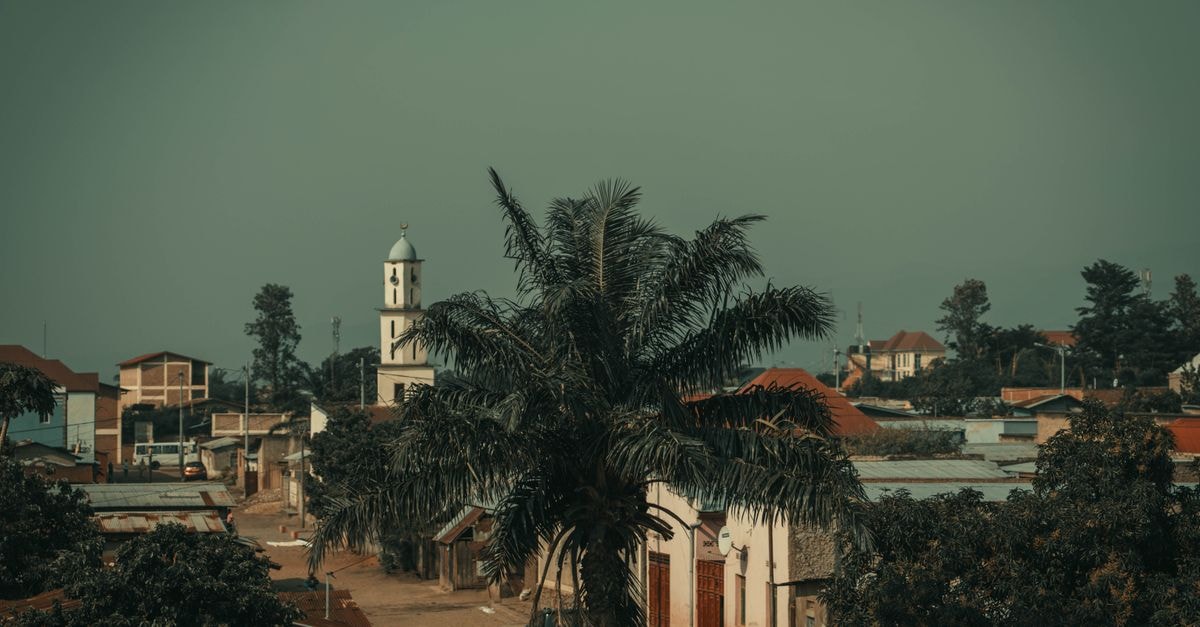
There is something quietly cinematic about Beira. It sits on Mozambique's central coast where the Pungwe and Buzi rivers meet the Indian Ocean, and that geography alone gives the city a moody, layered feel. Travelers tend to arrive expecting a sleepy port town and leave remembering the way the light falls across weathered colonial façades and the way the air carries the brackish hush of river meeting tide. Beira rewards the kind of traveler who is happy to wander, look up at the architecture, and sit with a long meal rather than racing from sight to sight.
This guide leans into that pace. The notes below are built around two threads the available evidence supports: a small but evocative set of landmarks, and the wider food culture visitors can expect to encounter while in the city.
Attractions and planning
The most evocative single landmark in Beira is one travelers often hear about before they see it. At the mouth of the Pungoe River stands the old, dilapidated Grand Hotel, a faded echo of the city's mid-twentieth-century heyday. Approaching it feels like walking into a photograph rather than a building. The river is right there, the scale is human, and the mood is reflective rather than touristic. Photographers tend to linger; casual visitors tend to simply pause and take it in. Beira's wider activities and attractions directory is easy to browse if you want a fuller sense of what the city organizes for visitors, including pages on Mozambique travel information, provinces and regions, cities and towns, dive sites, fuel stations, border posts and times, and currency, which can be useful for the practical scaffolding of any trip.
A note on planning: because Beira is a port city with a working rhythm of its own, it helps to leave real breathing room in your day. Walks along the waterfront, slow coffees, and unhurried meals tend to suit the city better than a tightly packed schedule. The Grand Hotel and the surrounding river-mouth scenery make a natural anchor for an afternoon; the rest of the day can be shaped around whatever the weather and your appetite allow. If you are traveling with family, the same planning pages often highlight Easter, mid-year, and October school holidays as popular windows for a fun family getaway, which can be a useful anchor when coordinating with school-age companions.
Food and local context
Beira's food culture is inseparable from its coastline. The city sits where rivers meet the Indian Ocean, and that meeting shapes what shows up on tables across town. Seafood is the obvious throughline, but the deeper story is how coastal Mozambique cooks it: simply, with spice, and with a confidence that comes from generations of practice. Visitors tend to notice the freshness first, and then the way dishes arrive with bright, peppery heat rather than heavy sauces.
Wider Mozambique food culture offers useful framing for what you will encounter in Beira. Mozambique eats like nowhere else on the continent, and that line of thinking helps explain why even a simple meal in the city can feel distinct. The country's traditional dishes reflect a long coastal trading history, and you can read those influences in the way familiar ingredients are handled. One small but telling detail from the broader national table is the place of pão, the Portuguese-style rolls that became a daily staple across Mozambique. They are not what a first-time visitor might expect from the name, but they turn up almost everywhere and they are a useful entry point into how Mozambique layers Portuguese influence onto its own ingredients. In Beira, you will most often meet them as a breakfast roll or as an accompaniment to a seafood plate, and they are worth trying at least once even if bread is not usually the headline of a trip.
A few practical notes that may help you enjoy the food side of a Beira visit:
- Lean into the seafood. The rivers and ocean that define the geography also define the menus, and freshness tends to be high. - Expect Portuguese-influenced bread and pastries to show up alongside local dishes, including the simple, ubiquitous pão. - Treat the meal as part of the day. Coastal Mozambican food is built to be lingered over, not rushed.
Because Beira sits at a crossroads of river, ocean, and trade history, the food scene rewards curiosity. Asking what is fresh that day, or what a local would order, tends to produce better meals than ordering from habit.
How to slow the day down
The most useful advice for a first-time visitor to Beira may be the least glamorous: slow down. The Grand Hotel and the river-mouth scenery invite a long pause. The coastal food culture invites a long table. Even a short stay tends to feel more rewarding when it is paced around moments rather than checklists.
If you only have a day, a loose shape that suits the city looks something like this: a late breakfast, a waterfront walk toward the Grand Hotel and the Pungoe river mouth, a long lunch built around whatever is fresh, and an unhurried evening. None of that needs to be locked in; the point is that the city gives back what you put in, and a relaxed pace tends to give back more than a rushed one.
Practicalities worth knowing
A few grounding notes to keep in mind as you plan:
- Currency and exchange details for Mozambique are listed on the country's main travel information pages, alongside border posts and times. Treat any figure you see as a reference only and check the live rate before exchanging money. - General travel information pages for Mozambique also cover malaria tips, fuel stations, and the provinces and regions, which can be useful context for moving around the country. - Because this is an evergreen guide, it deliberately avoids pinning advice to a specific month. Beira's climate can feel hot and humid in coastal stretches, so pace the day with that in mind: shade, water, and a slow afternoon tend to serve visitors well.
A final note before you go
Factual travel conditions can change. Opening hours, transport connections, currency values, and on-the-ground services in Beira and across Mozambique are worth confirming through official channels before you travel. Treat this guide as a starting frame, not a final brief, and double-check anything time-sensitive the closer you get to departure.
With that in mind, Beira is a city that rewards the traveler who arrives curious and unhurried. The faded grandeur of the Grand Hotel at the river mouth, the coastal food culture shaped by rivers meeting the Indian Ocean, and the broader Mozambican table that surrounds it all combine into a visit that feels personal rather than programmed. Go slowly, eat well, and let the city set the pace.
Share this article
TOOLS FOR THIS PLAN
Make the Beira plan measurable
Choose a tool only when it answers the next question in your trip. Your values stay in the browser, and each tool offers a route back to this planning context.