A First Look at Inhambane

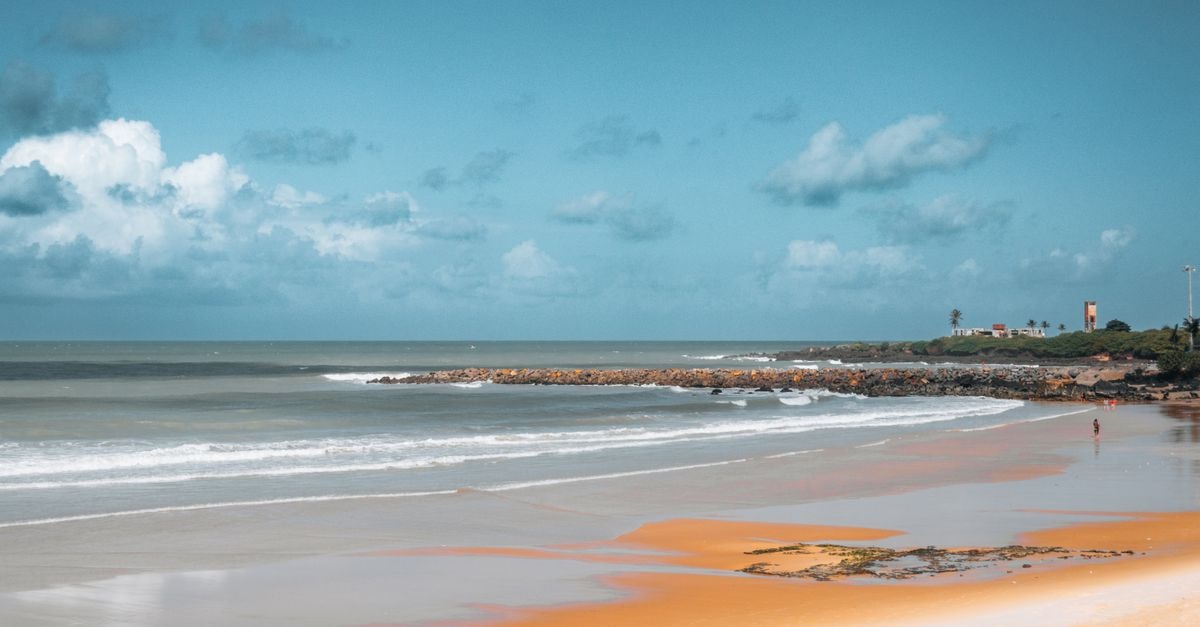
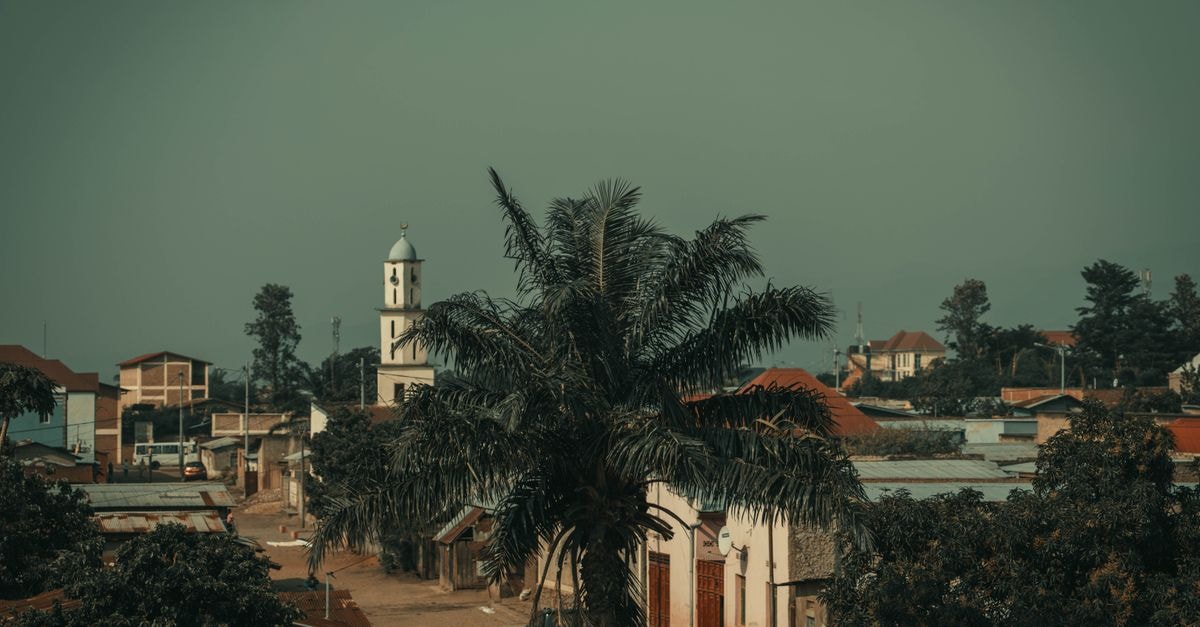
There is something quietly magnetic about Inhambane, the historic coastal city in Mozambique's southern province of the same name. It carries the layered feel of a place shaped by sea trade and old architecture, where mornings begin with the soft hush of waves and the day unfolds at the gentlest possible pace. For travelers who like destinations with a bit of texture and a strong sense of place, Inhambane rewards curiosity without demanding a packed schedule.
This guide focuses on the practical side of a visit: how to move between the city and nearby points along the coast, what kinds of activities the area is known for, and how the local food scene reflects the wider Portuguese and African influences you may encounter across Mozambique. It is meant to be a grounded starting point for independent travelers planning their own rhythm, rather than a step-by-step itinerary.
Getting Around
Inhambane sits within a regional network of coastal routes, and movement here tends to feel informal and local rather than polished. A useful thing to know up front is that the same shared transport option used throughout Mozambique, the privately run minibus, also serves as the main form of public transport in and around the city. For independent travelers, this is often the most authentic way to get a feel for how people move through the area day to day.
The minibus network connects Inhambane with Maxixe, Tofo, and Barra. Reaching Maxixe typically involves crossing by ferry, which adds a small maritime element to the journey and offers a glimpse of the bay. For travelers who enjoy slow, scenic transitions between places rather than direct point-to-point speed, this kind of route can feel like part of the experience itself. If you prefer more flexibility or are traveling with luggage, it is worth considering how the shared nature of minibus travel fits your comfort level before relying on it exclusively.
Attractions and Planning
Inhambane is the kind of city where planning is less about ticking off a long list and more about choosing the texture of your days. Out & About SA lists nine things to do across Inhambane, Tofo, and Barra, and they span three broad categories: landmark and sightseeing experiences, tours and experiences, and museum and heritage visits. That mix suggests a destination with both outward-looking coastal adventures and a quieter interior of historical and cultural interest.
For visitors who enjoy building a trip around a few anchor activities rather than a crowded schedule, this is good news. You can shape days around a heritage walk through the old quarter, a guided experience on the water, or simply slow exploration of the city's landmarks at your own pace. The diversity of categories also means that travelers with different energy levels can pick what suits them: cultural sights and museums for quieter days, tours and outdoor experiences when the mood calls for movement.
It is worth noting that Inhambane Bay in particular is recognized for its underwater scenery, including coral reefs, tropical fish, and manta rays, and may appeal to diving enthusiasts. If underwater exploration appeals to you, the bay's documented underwater scenery is one of the area's natural draws, and travelers may want to confirm conditions on the ground before committing.
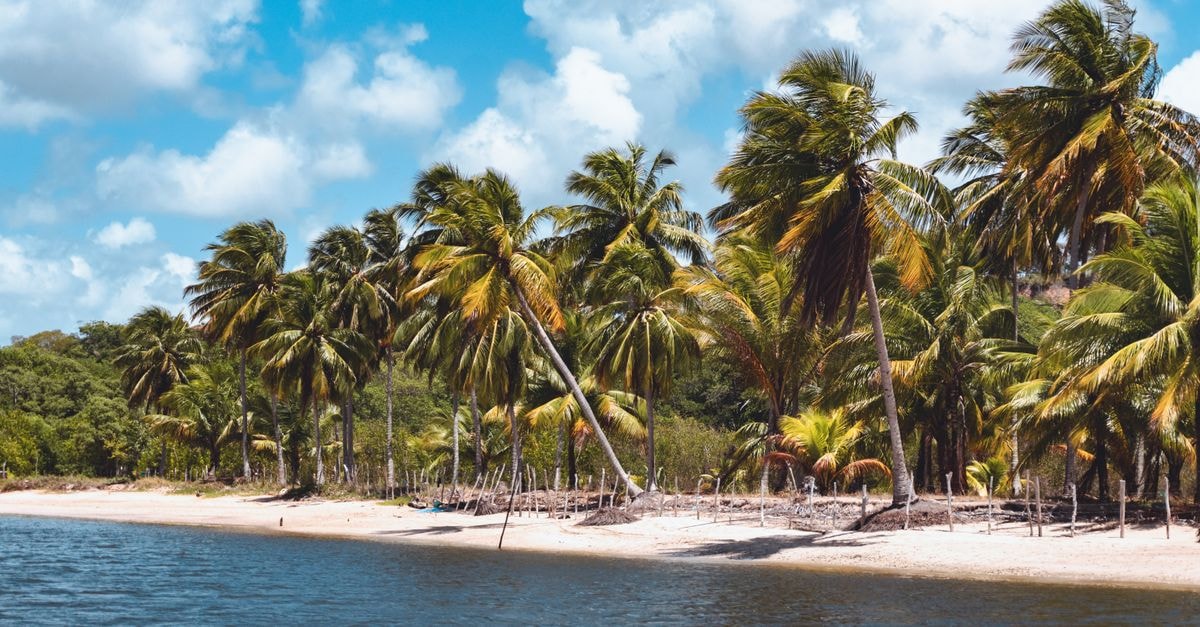
Because the broader activities listing includes dhow experiences on the water, the coast here feels woven into daily life rather than reserved for tour buses. A short dhow ride, for instance, can be a memorable way to take in the bay from a traditional sailing perspective, connecting visitors to the maritime character that has long defined the area. The mix of land-based heritage and sea-based experiences gives Inhambane a balance that may suit travelers who want both cultural depth and natural beauty within a single visit.
Food and Local Context
Food in Inhambane tells the story of a coastal city shaped by centuries of exchange. The local culinary scene is often described as a fusion of Portuguese and African flavors, with fresh seafood serving as a clear highlight.
For travelers who enjoy eating their way into a destination, Inhambane offers a setting where the catch of the day tends to take center stage. Seafood here is not a niche menu option but a defining part of the local rhythm, and meals often revolve around what has come in from the water that morning. Visitors who appreciate simple, fresh preparations rather than elaborate dining formats may find this approach especially rewarding.
Because the culinary identity here draws on Portuguese and African flavors as documented for Inhambane, travelers with curiosity about regional cuisine will find that dishes encountered in the city connect to a wider food story across the coast. This makes Inhambane a comfortable entry point for anyone interested in exploring these blended flavors more deeply, whether through casual meals or more thoughtful culinary exploration.
Choosing What Fits Your Trip
With attractions split between heritage, tours, and underwater experiences, and food anchored in fresh seafood and Portuguese-African flavors, Inhambane lends itself to a few different travel moods. Travelers who prefer cultural depth and a slower pace may want to prioritize museum and heritage visits in the city itself, paired with relaxed meals along the waterfront. Those drawn to the coast's natural life may prefer to balance a few heritage stops with time on the water and underwater exploration, using the city's calm evenings as a reset between active days. Because the minibus network links Inhambane with Maxixe, Tofo, and Barra, any of these moods can be combined with short movements along the coast, letting the trip shape itself around energy level and curiosity rather than a fixed schedule.
A Note Before You Go
Factual details such as transport availability, operating hours for attractions, dive conditions, and local services can change. It is always wise to check official channels or trusted local contacts before and during your trip, especially for time-sensitive bookings. The information in this guide reflects a general, durable picture of Inhambane and is meant to help you plan thoughtfully, not to replace up-to-date confirmation on the ground.
Share this article
TOOLS FOR THIS PLAN
Make the Inhambane plan measurable
Choose a tool only when it answers the next question in your trip. Your values stay in the browser, and each tool offers a route back to this planning context.