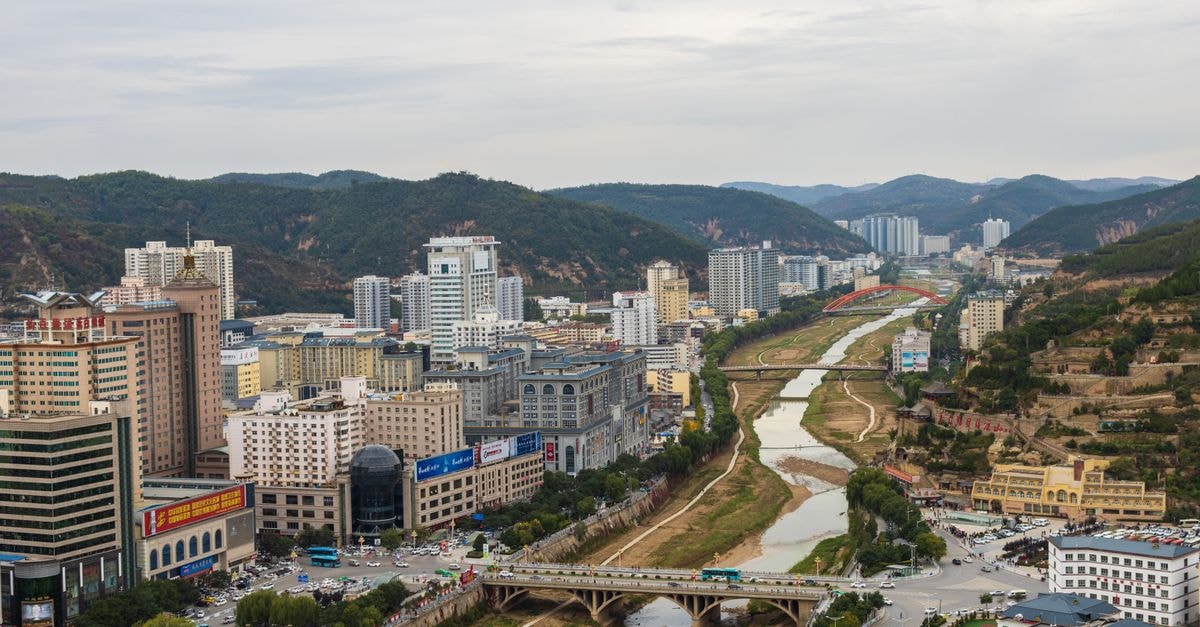
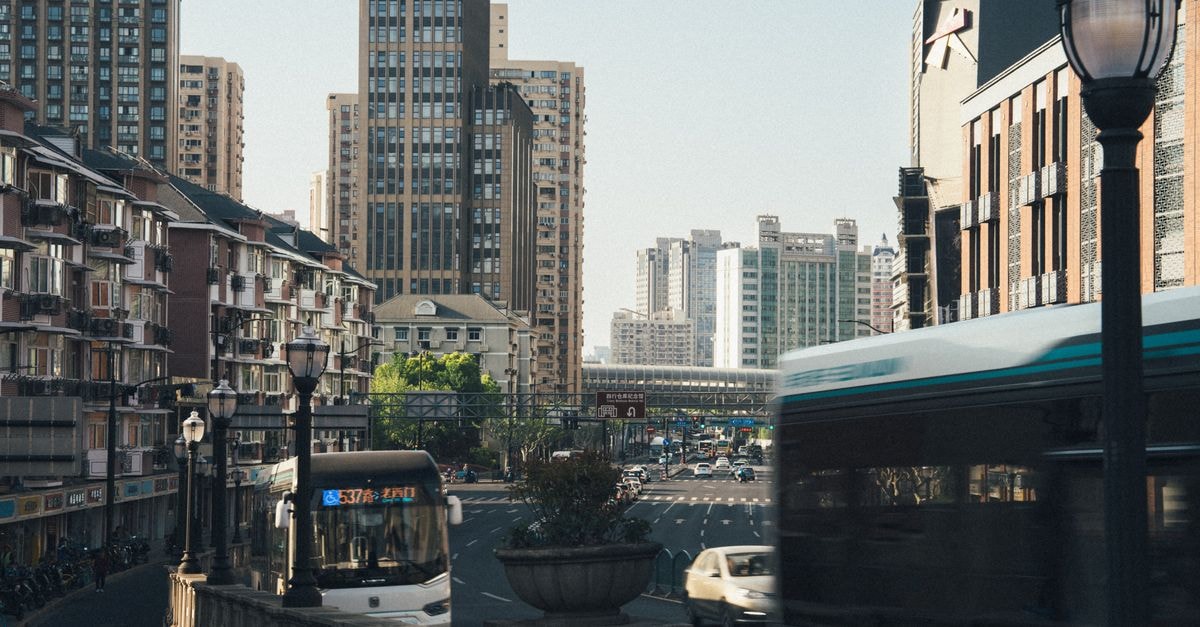
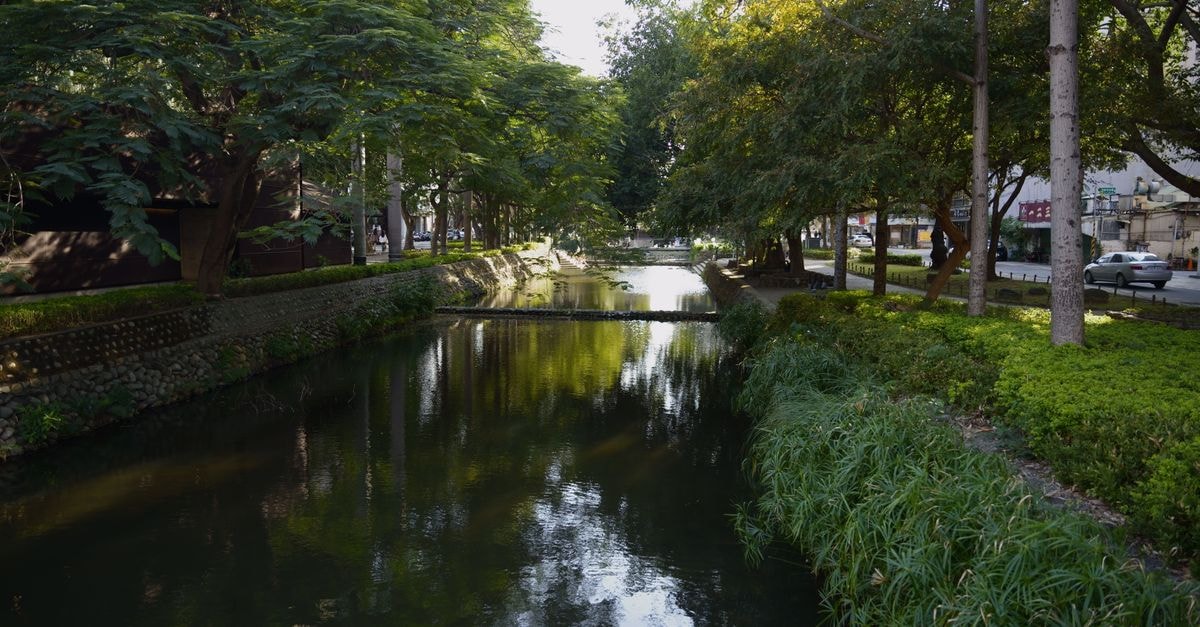
Binzhou sits quietly in the far north of Shandong Province, a prefecture-level city resting on the southwestern edge of Bohai Bay, where the Yellow River delta begins its long meeting with the sea. There is a particular stillness to cities that lean toward a coastline without becoming beach resorts, and Binzhou has exactly that quality. Travelers who come here tend to arrive with curiosity about Sun Tzu, the strategist whose name the city carries in its identity, and leave with a sense of having stepped into a working corner of the Yellow River region where industry, agriculture, and folk tradition share the same streets.

If you prefer destinations that feel rooted in place rather than polished for visitors, Binzhou may suit you. The rewards here are quieter: a clearly defined sense of where you are on the map, a lived-in folk culture, and the feeling of standing near a coast that has shaped this land for centuries.
Where Binzhou Sits on the Map
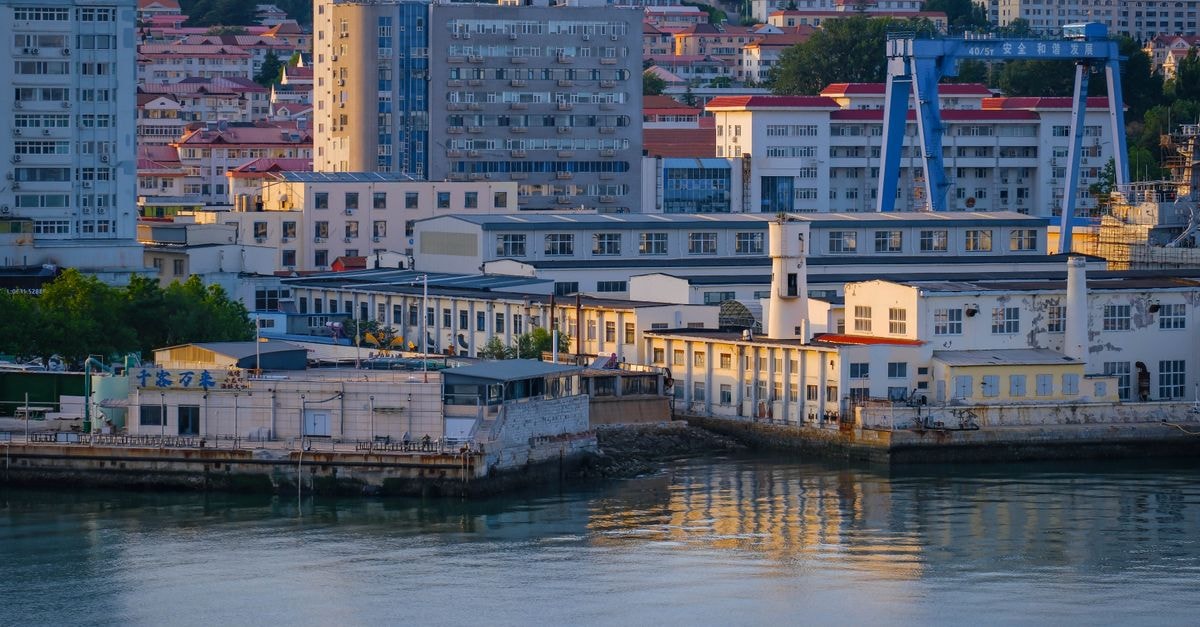
The first thing to understand about Binzhou is its position. It lies in the north of Shandong Province, on the southwest shoal of Bohai Bay, which puts it firmly in the coastal half of the province rather than the inland mountain zone. Travelers who know northern China often picture Shandong as a peninsula stretching toward Korea; Binzhou is actually on the other side of that arc, opening instead toward Tianjin and the wider Bohai rim.
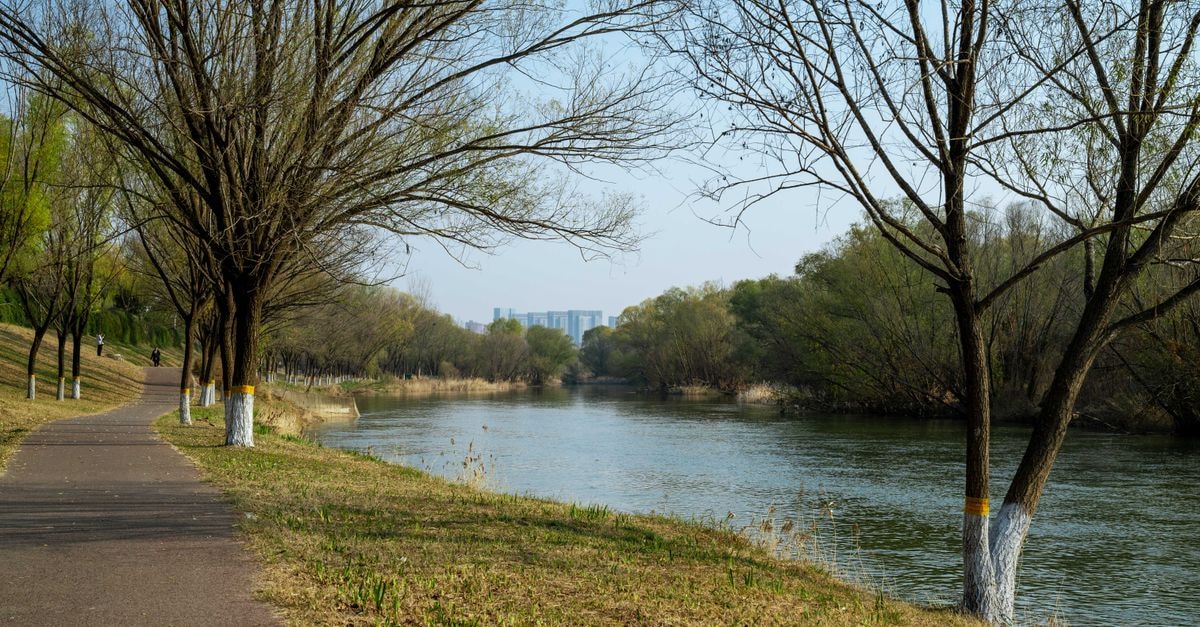
To the east of Binzhou sits Dongying, and to the south runs the boundary with Zibo. To the west, the city meets the neighborhood of Dezhou. That ring of neighboring prefectures is useful to know, because it tells you what to expect between destinations if you are combining Binzhou with other stops in Shandong: a mix of river delta landscapes, agricultural plains, and the older industrial corridors of central Shandong rather than the high-rise skylines further east.
Binzhou is described in regional writing as one of the major industrial and agricultural centers of the Yellow River region in Shandong. For travelers, that description translates into a feeling of a city whose economy is visible around you, in the wide roads, the working markets, and the fields that begin not far beyond the urban edge.
Cultural Heritage as a Daily Presence
Binzhou's identity as Sun Tzu's hometown gives the city a clear narrative thread, and the local approach to culture is woven directly into everyday public life rather than locked inside a single museum hall. The book fair has become a development engine for the city, and around it a model has grown that blends folk performances with tourism. What this means in practice is that traditional crafts and stage traditions are not presented as relics, but as a living layer of the city.
Two folk traditions in particular tend to surface in this blended approach: grass weaving, which turns a humble plant material into woven household objects, and cloth tigers, the brightly stuffed textile figures that are a familiar symbol across much of northern Chinese folk art. Seeing them out of village workshops and into public festivals is part of how Binzhou connects its rural heritage with the visitors who pass through.
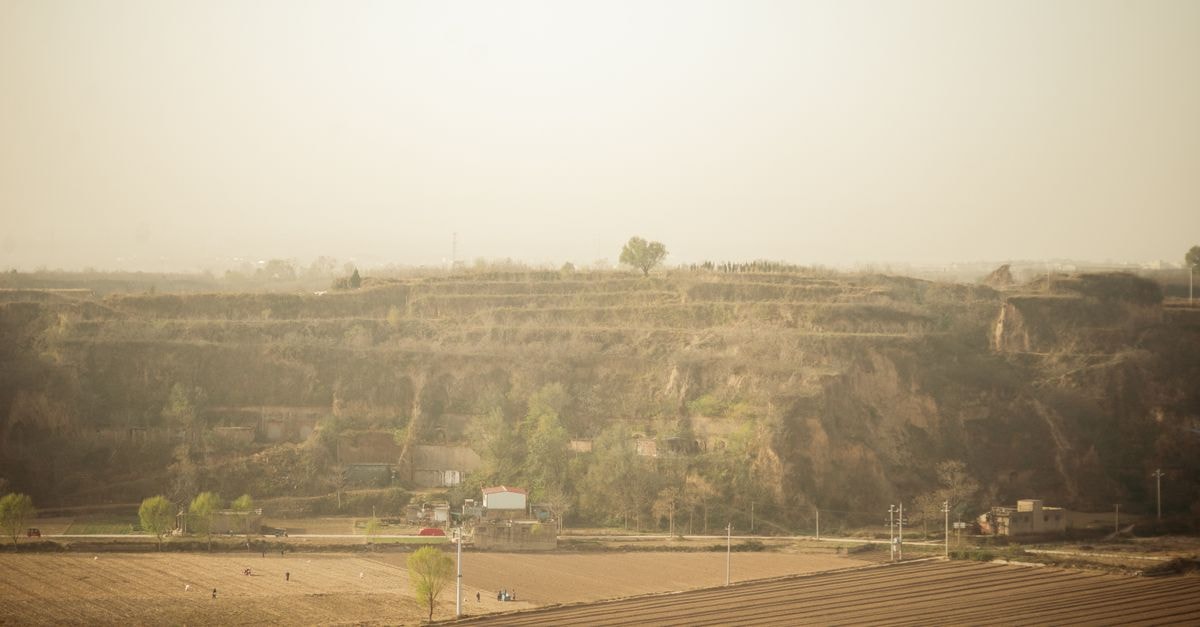
Intangible cultural heritage performances are also held in the countryside itself. These are not staged only for tourists on a main square; they take place in villages, where local performers become agents of cultural revitalization. For travelers, this offers something that large-city cultural tourism often cannot: the chance to see folk performance in the rural setting it grew out of, rather than transported onto a polished stage.
Getting Around and Getting There
Because Binzhou is a working prefecture-level city rather than a compact tourist hub, getting around is mostly about navigating the same systems that residents use. The city's location on the southern coast of Bohai Bay, near the Yellow River delta, also means that any wider Shandong journey will likely pass through neighboring Dongying to the east, Zibo to the south, or Dezhou to the west.
Food and Local Context
Binzhou sits inside one of China's most food-conscious provinces, and Shandong cuisine is one of the recognized pillars of Chinese cooking. The eight major cuisines of China each carry their own characteristics, and travelers will quickly notice that the northern half of the country, including Shandong, leans toward wheat-based staples, savory broths, and the clean, balanced flavors the region is known for.
That said, no specific Binzhou restaurants, signature dishes, prices, or opening hours can be confirmed from the approved evidence for this guide, so any dining decisions are best made on the ground, by asking locally or by checking current listings before you sit down.
Choosing What Fits Your Trip
Binzhou is a destination that rewards travelers who approach it as a real working city with deep roots, not as a checklist of polished attractions. If your interest is in following Sun Tzu's story into the place he actually came from, or in seeing how a northern Shandong city balances heavy industry with folk craft and rural performance, the trip makes sense. If you are building a wider Shandong itinerary, Binzhou pairs naturally with the river delta landscapes to the north and the central Shandong corridor to the south, and the city's position between Dongying, Zibo, and Dezhou makes it a useful anchor in that arc.
A Note Before You Go
Practical travel conditions, including transport schedules, cultural event calendars, and local services, can change over time. Factual details should always be verified through official channels or current local listings before departure, and travelers are encouraged to confirm any specific plans closer to the date of their visit.
Share this article
TOOLS FOR THIS PLAN
Make the Binzhou plan measurable
Choose a tool only when it answers the next question in your trip. Your values stay in the browser, and each tool offers a route back to this planning context.