A coastal city at China's eastern edge

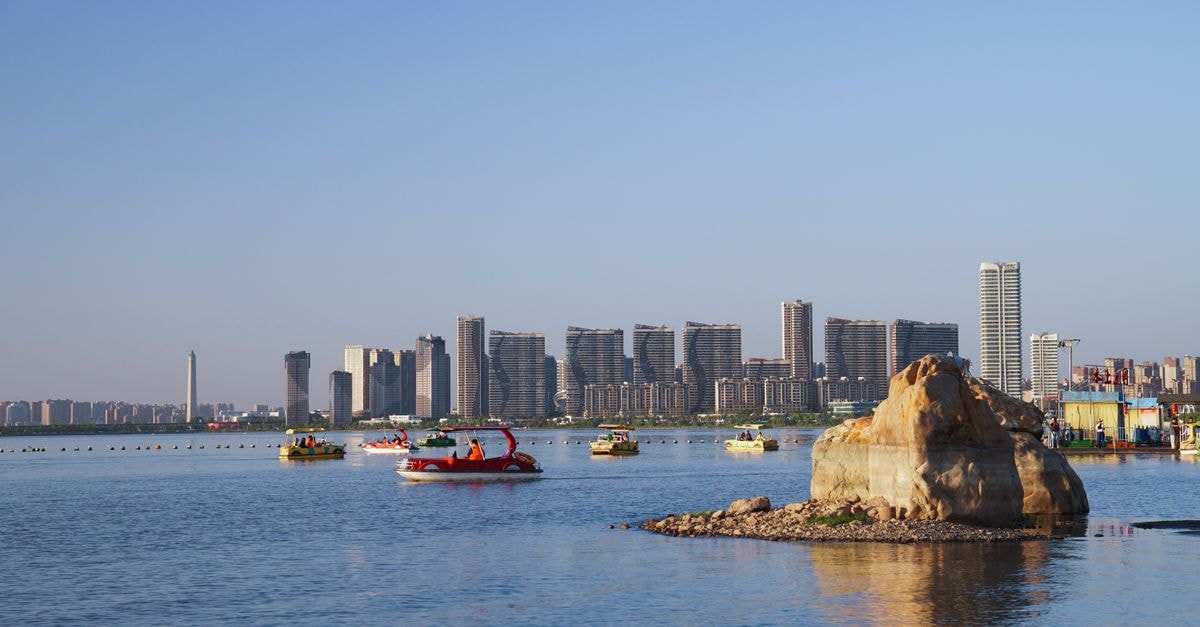
There is a particular kind of quiet that settles over a well-kept seaside town, and Weihai has it. Sitting at China's eastern edge in Shandong, the city has the tidy profile of a place where the sea is part of daily life rather than a postcard backdrop. The coast frames the city with wide horizons and a sense of openness, and the air carries a freshness that feels different from inland China.
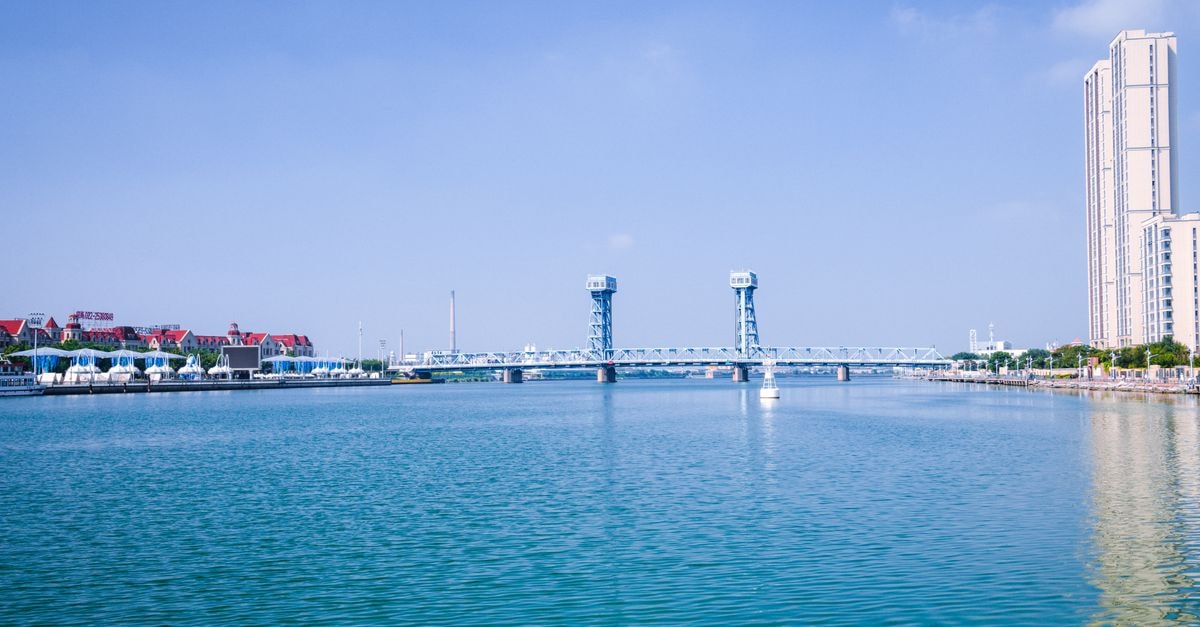
Weihai reads as a destination for travelers who prefer space, sea views, and a slower cadence over dense sightseeing checklists. The harbor-facing streets and the offshore silhouette of Liugong Island give the city a maritime character, while the eastern headlands near Chengshantou mark the kind of dramatic cliff scenery that draws people out at sunrise. Both anchor points are well known to anyone planning a trip here, and both shape how the city is experienced on foot, by bicycle, and along the coastal road.
This guide focuses on the two things every traveler to Weihai actually has to plan around: what the weather generally feels like across the year, and how people move around the city once they arrive.
Weather and seasonal context
Weihai has a coastal climate, which means the rhythm of the year is shaped more by the sea than by dramatic seasonal swings. Summers tend to be warm and noticeably humid, while winters stay comparatively mild for northern China, with cold snaps that pass through quickly. Spring and autumn are often the most comfortable stretches, with cooler evenings and clearer skies that suit long walks along the waterfront.
Because the city sits on the open coast, wind is part of the weather story. Onshore breezes are a regular feature, and on the headlands the gusts can feel stronger than the temperature alone would suggest. Travelers who plan to spend time at Chengshantou or along the eastern cliffs should think about layering, even on days that look mild from the sheltered streets of the city center.
Rain is not unusual through the warmer months, and fog can roll in off the Yellow Sea at any time of year. The practical effect is that coastal viewpoints can shift from glass-clear to softly diffused within a morning, which is part of the appeal for photographers but worth knowing for anyone timing a sunrise outing. The general pattern is one of changeable, maritime conditions rather than steady weather week to week.
Getting around
Local life in Weihai is small-scale and close to the water, and that shows up in how people get around. Cycling has long been part of the city's everyday rhythm, and bicycles still appear in the stories residents tell about moving between the coast and the town. For travelers, that translates into a place where short, flat distances are easy to cover on two wheels, and where the coastal road invites unhurried riding rather than fast commuting.
Within the older parts of the city and along the harbor front, distances tend to be compact, which makes walking a practical default for moving between nearby points of interest. Public transport covers the main corridors, and taxis and ride-hailing services fill in for the stretches that are less convenient on foot. The eastern headlands and the approach to Chengshantou are best handled by car or arranged transport, since the road opens up and the pace of life slows with the scenery.
For visitors who are mapping out their days, it helps to think of Weihai in two zones: a walkable, bikeable central and harbor area where most of the everyday movement happens, and a longer coastal arc to the east where the cliffs, sunrise spots, and Liugong Island ferry connections demand a bit more planning. Treating the city that way keeps each day realistic and avoids the common mistake of trying to fold too much east-coast driving into a single morning.
Choosing what fits your trip
If your interest is the maritime character of the city, the harbor and waterfront streets reward slow time on foot, with bicycles reserved for the flatter stretches along the coast. Travelers drawn to sunrise scenery and the eastern cliffs may want to reconsider trying to do the headlands as a quick detour; the distances and the wind both ask for a more deliberate pace, and a separate half-day plan tends to suit that side of the city better.
A simple split works well: anchor your days in the central and harbor area for walking and short rides, and set aside dedicated time for the eastern coastal arc when conditions look calm. If you prefer to keep days flexible, prioritize the walkable zones first and treat the cliffs as a weather-dependent outing rather than a fixed agenda.
A note before you go
Conditions on the ground can change quickly along any coast, and Weihai is no exception. Weather, ferry connections to Liugong Island, and local transport details are worth checking through official channels shortly before departure, so that plans built around sea views and sunrise cliffs still feel right on the day you arrive.
Share this article
TOOLS FOR THIS PLAN
Make the Weihai plan measurable
Choose a tool only when it answers the next question in your trip. Your values stay in the browser, and each tool offers a route back to this planning context.