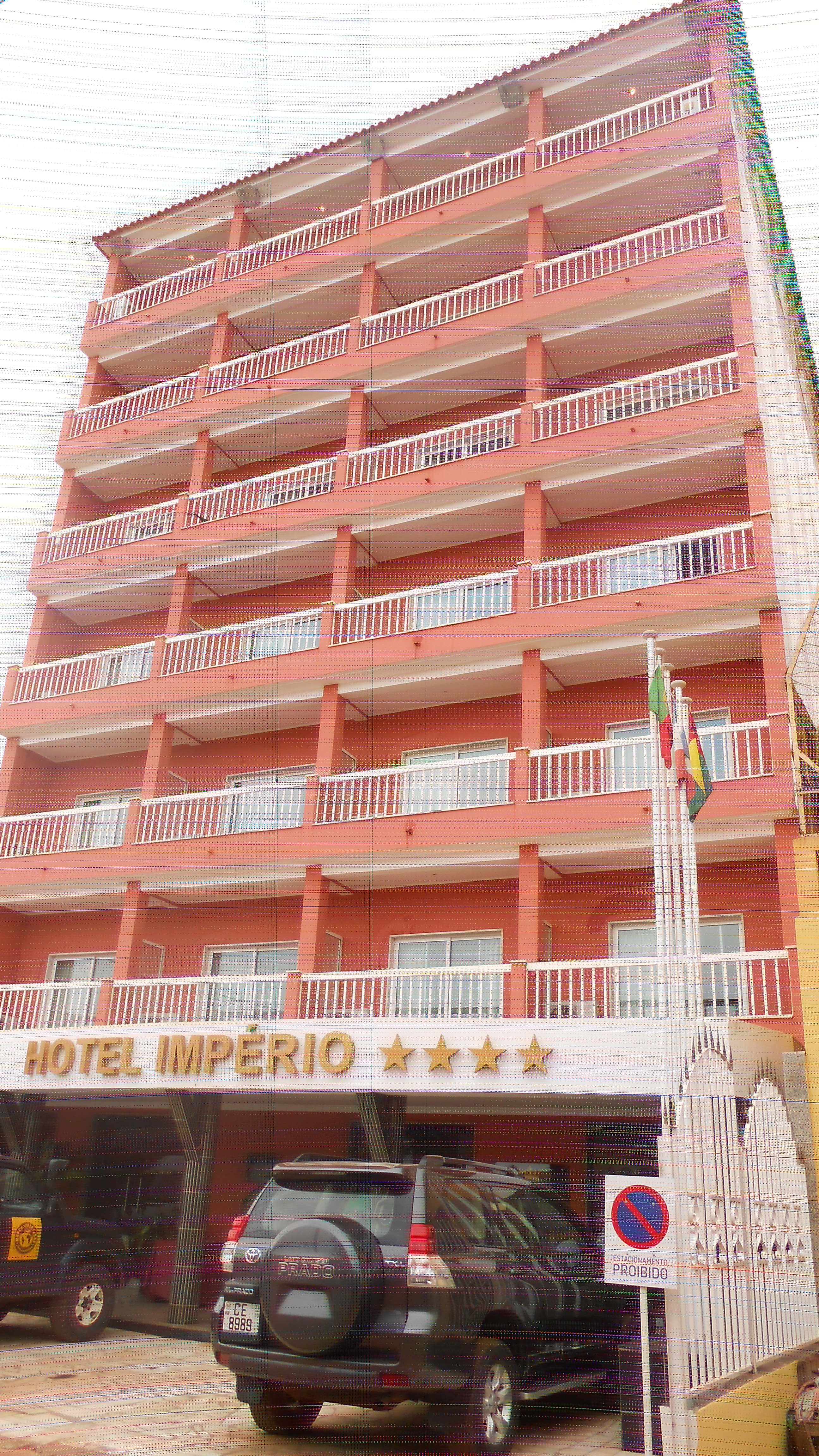
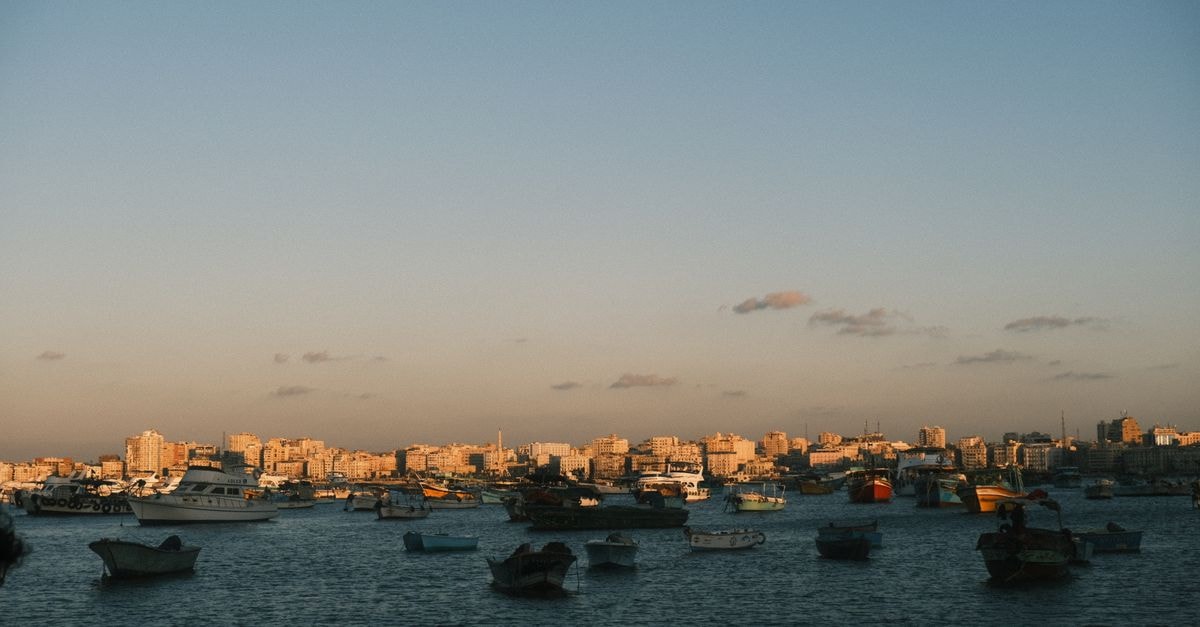
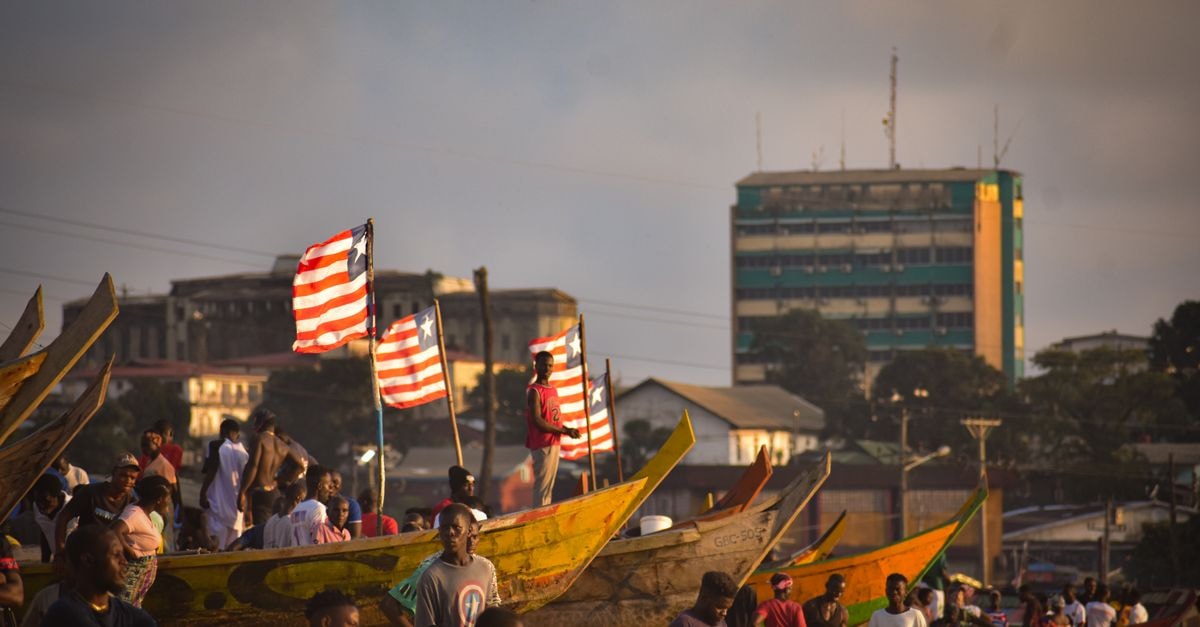
A first impression of Bissau

Bissau arrives softly, with the salt-air hush of a coastal capital that still feels more like a working town than a polished tourism hub. The streets of the old quarter, sometimes referred to in traveller notes as Bissau Velho, have a lived-in rhythm: small storefronts, lingering shade, and the sense that most visitors are simply passing through on their way to the country's beaches and offshore islands. That short-stay feel is part of the city's appeal — it gives travellers a compact, easy base before they head further into Guinea-Bissau.
A practical orientation matters more here than a packed itinerary. Knowing the basics of how the city connects, what the climate tends to feel like, and how people typically pair a Bissau stay with the rest of the country will shape a smoother trip than any fixed checklist.
Weather and seasonal context
Bissau sits within Guinea-Bissau's coastal lowlands, where the climate is shaped by the Atlantic and the seasonal rains that sweep the region. Conditions can feel hot and humid for stretches of the year, with a rainy period that has been reported to make overland travel more demanding. In practice, that means road conditions outside Bissau can deteriorate severely during rainy months, and some routes become difficult to pass without a 4WD vehicle — something worth factoring into plans for any journey beyond the capital.
The weather also shapes daily rhythm in simple, edible ways. Chilled fresh ginger juice is a popular folk drink at markets and roadside stalls, often enjoyed cold against the heat. Alongside it, hearty meat stews — typically beef or goat slow-cooked with leafy greens, tomato, and spices, then served with rice or fufu — are part of the wider Guinea-Bissau table that visitors may encounter while in Bissau. These are everyday dishes rather than restaurant signatures, so travellers can expect to come across them in local eateries, market stalls, and shared meals rather than as named specialities.
For broader context, Guinea-Bissau's geography is split between coastal lowlands and the Bijagós Archipelago, and the country uses the West African CFA Franc (XOF) as its currency. Portuguese and Crioulo are the main languages, the time zone is GMT, and plugs are Type C and E at 220V — small details that are useful to confirm before arrival so the first day in Bissau feels unhurried.
Getting around
Movement is one of the more delicate parts of a Bissau trip, because the capital is usually a starting point rather than a destination in itself. Most travellers end up spending a short stretch in the old town before continuing onward, and the city works well as a compact base for that kind of trip.
Connectivity is a useful starting point. Guinea-Bissau's mobile coverage has been reported as strong, with 5G available, which makes local SIMs a practical option for navigation and messaging. Wi-Fi at Osvaldo Vieira International Airport, on the other hand, has been reported as very limited or unreliable, so it is worth treating the airport as a place for arrivals and departures rather than for downloading, calls, or large file transfers.
From Bissau, the wider country's appeal lies in its pristine beaches, unique wildlife, and the Bijagós Archipelago — a frequently cited highlight of any Guinea-Bissau visit. Travel out to the islands is typically done by pirogue, and a common piece of local advice has been to negotiate fares as a group, since solo travellers have been reported to pay disproportionately more. Private crossings to places like Orango, for example, have been reported in the USD 40–80 range, which is a useful reference point when budgeting and planning how to share costs with other travellers met along the way.
Within the capital itself, the old quarter is walkable enough to get a feel for the place without committing to a long stay. Two nights in Bissau Velho is a common pattern for visitors who plan to spend most of their time on the islands or further along the coast. That short-stay rhythm also makes it easier to keep plans flexible around weather, transport availability, and group arrangements for boat crossings.
A slow base before the islands
The most rewarding way to approach Bissau is to treat it as a gentle threshold rather than a checklist. A couple of unhurried days in the old town — sorting a SIM, getting a sense of local food, and arranging onward transport — sets up the rest of a Guinea-Bissau trip far better than rushing straight to a boat. Because road conditions outside the capital can be tough in the rains, and because pirogue fares have been reported as better negotiated as a group, building in flexibility from Bissau itself pays off later.
Travellers who enjoy a slower pace, an interest in everyday West African food culture, and the appeal of island landscapes will find Bissau a useful, if understated, gateway. The city doesn't try to compete with the coast or the Bijagós; it simply offers the platform from which both become accessible.
Practical notes before you go
A few small confirmations make a Bissau trip feel calmer from the start. Mobile coverage has been reported as reliable, with 5G noted as available across Guinea-Bissau, so a local SIM is a sensible early purchase; airport Wi-Fi has been reported as not suitable for important downloads. The currency is the West African CFA Franc (XOF) — exchange rates fluctuate, so treat any quoted rate as a reference only and check the live rate on arrival. Power runs at 220V on Type C and E plugs, and the time zone is GMT. These are the small anchors that help the first day in Bissau feel familiar.
Factual travel conditions can change, and details such as transport availability, road conditions, and local services should always be confirmed through official channels or current local sources before departure.
Share this article
TOOLS FOR THIS PLAN
Make the Bissau plan measurable
Choose a tool only when it answers the next question in your trip. Your values stay in the browser, and each tool offers a route back to this planning context.