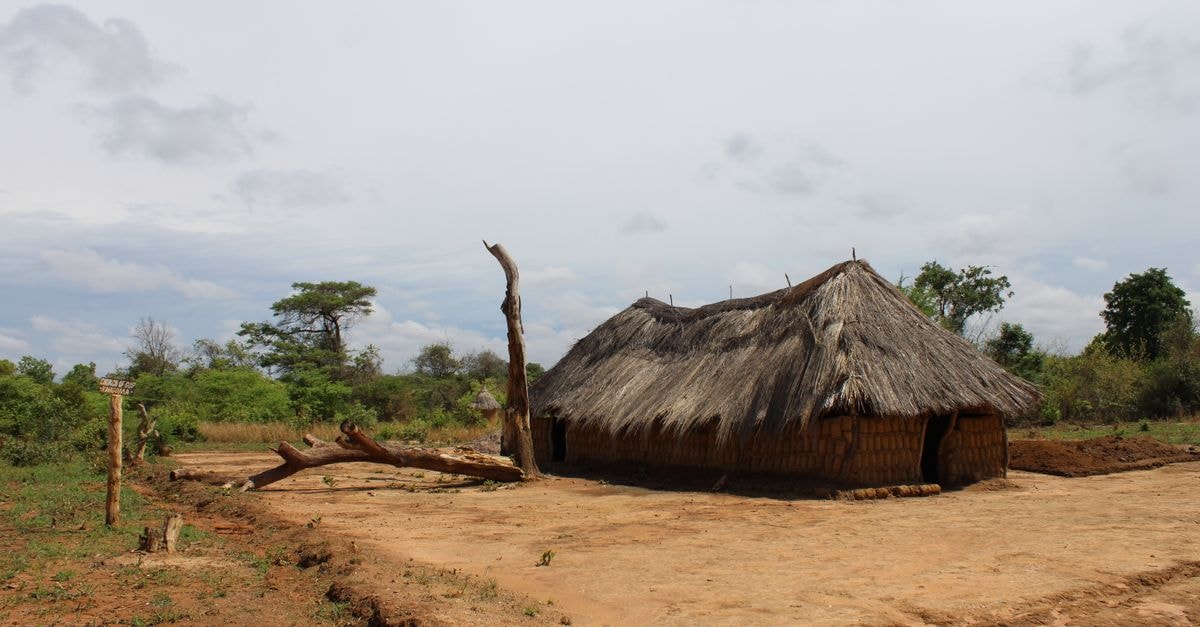
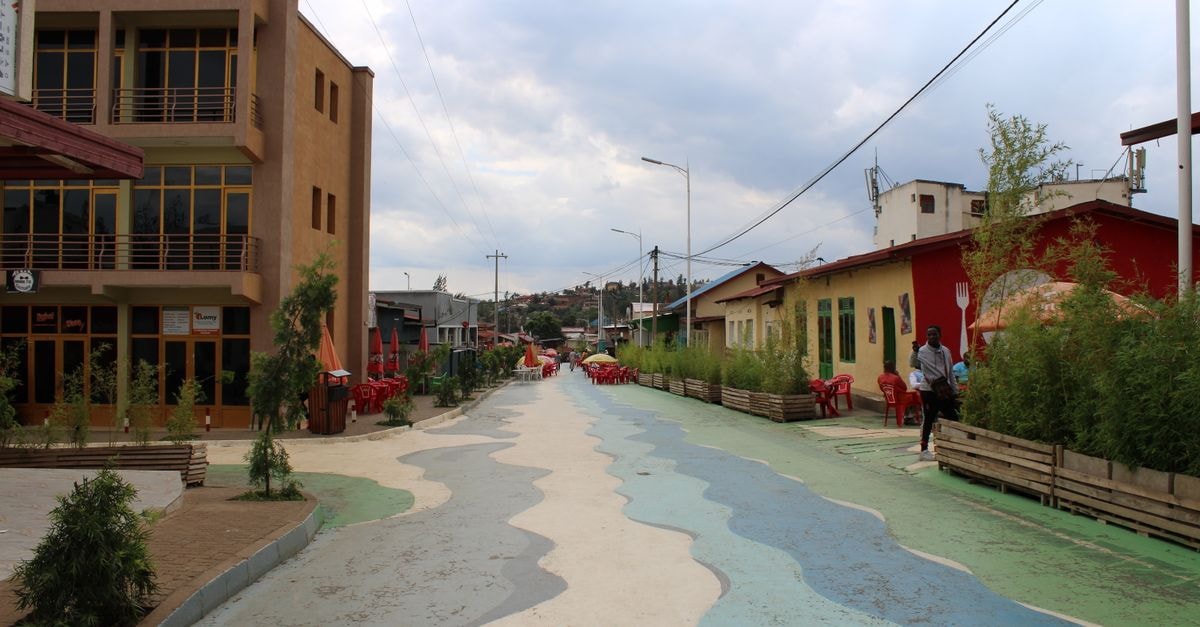
A first look at Monrovia

There's a particular rhythm to Monrovia that travelers tend to notice quickly: the Atlantic surf rolling in along the city's beaches, the bustle of its markets, and the deeper historical undercurrent that runs through places like Providence Island, where freed settlers first landed in 1822 at the birth of the Liberian story. As the country's seaside capital, Monrovia pairs coastal scenery with a layered past, making it as appealing to history-minded visitors as it is to anyone drawn to lively urban energy and the country's most active nightlife scene. This guide leans into what the available evidence actually supports: a clear sense of the climate you can expect, and the practical realities of moving around a city where transport choices, road conditions and cultural landmarks all shape the experience.
Weather and seasonal context
Monrovia sits on the Atlantic coast of West Africa, and that position defines its climate more than any calendar date. The city is known for pairing warm, humid conditions with a generous helping of Atlantic-driven rainfall through much of the year, and visitors should plan for a tropical feel rather than a dry, predictable rhythm. Because rainfall patterns here can shift from bright sunshine to a heavy downpour within a single afternoon, a flexible daily plan tends to serve travelers better than a tightly scheduled one.
For any visit to Monrovia, light breathable clothing, a reliable rain layer and comfortable shoes that can handle wet pavement are sensible staples. Outdoor sightseeing, beach time and market wandering all tend to feel best in the morning hours, with the late afternoon often bringing cloudier skies and the possibility of rain. Travelers who prefer a slower pace often build their day around indoor stops during the wetter windows and save coastal walks, monument visits and Providence Island for clearer stretches. The Atlantic surf beaches that frame the city are part of its everyday appeal, and they read differently depending on whether the day brings calm or surf; either way, the seaside setting is a defining feature of arriving in Monrovia.
Getting around
Getting around Monrovia is one of the parts of the trip that benefits most from a little local know-how. The city has a busy, informal transport culture, and visitors who arrive with realistic expectations tend to navigate it more comfortably than those expecting a signposted, scheduled network.
A few practical points are worth keeping in mind. Reported conditions along several of Monrovia's major corridors, including the Japan Freeway, the ELWA–RIA corridor and the Redlight-to-ELWA link, have included heavily clogged drainage channels filled with plastic waste, mud and household garbage. That kind of roadside condition can affect both travel times and the comfort of any journey along those routes, particularly after rainfall, so factoring in buffer time is a sensible habit rather than an overreaction.
Independent travelers planning to use the city's transport options should look into current fares, common scams to be aware of, and basic safety tips before setting out. Because conditions on the ground can change quickly, treating any guide to fares and routes as a starting reference rather than a fixed rule is the safer mindset. Confirming the going rate with a trusted contact, hotel staff or a registered taxi service before each journey is a small habit that tends to pay off.
For visitors whose interest leans historical, the National Museum of Liberia, which opened in 1958, holds the country's most comprehensive collection of historical documents, photographs and artifacts. It is a natural anchor for any cultural day in the city, and its central role in telling the Liberian story makes it a meaningful stop for travelers who want context before or after exploring sites like Providence Island. Together, the museum and the island offer a compact way to connect with the deeper layers of Monrovia without needing to commit a full day to formal sightseeing.
A practical rhythm for the visit
The shape that tends to work best in Monrovia is a simple one: anchor the day around one or two meaningful stops, leave room for the unexpected, and accept that weather and traffic will both have a say in how the hours unfold. Monrovia rewards travelers who treat it as a place to be experienced at its own pace rather than raced through. Mornings often work well for outdoor exploration, the National Museum, or a reflective visit to Providence Island, while afternoons can flex toward markets, cafés and the kinds of conversations that tend to happen when the pace slows.
The city's character is best read in layers. The historical layer is immediate at Providence Island and the National Museum; the contemporary layer shows up in the markets, on the streets and in the nightlife that gives the capital its reputation as the country's liveliest urban center; and the coastal layer is a constant backdrop, reminding visitors that this is, at heart, an Atlantic capital shaped by the sea.
Staying grounded before you go
Travel conditions in any capital can shift between the time a guide is written and the moment a visitor arrives, and Monrovia is no exception. Fares, road conditions, museum hours and the wider operating environment are all details worth confirming through official channels, registered accommodation or a current local contact before committing to a plan. Treating any travel guide, including this one, as a starting framework rather than a final word is the most reliable habit for independent travelers heading to a city as dynamic as Monrovia.
Above all, the experience of visiting Monrovia tends to be defined less by a checklist of sights than by a willingness to engage with the city on its own terms: its coastal setting, its layered history, its markets and music, and the everyday rhythms of moving through it. Travelers who arrive prepared for the climate, curious about the past, and realistic about the logistics of getting around are usually the ones who find the deepest reward in a visit to Liberia's capital.
Share this article
TOOLS FOR THIS PLAN
Make the Monrovia plan measurable
Choose a tool only when it answers the next question in your trip. Your values stay in the browser, and each tool offers a route back to this planning context.