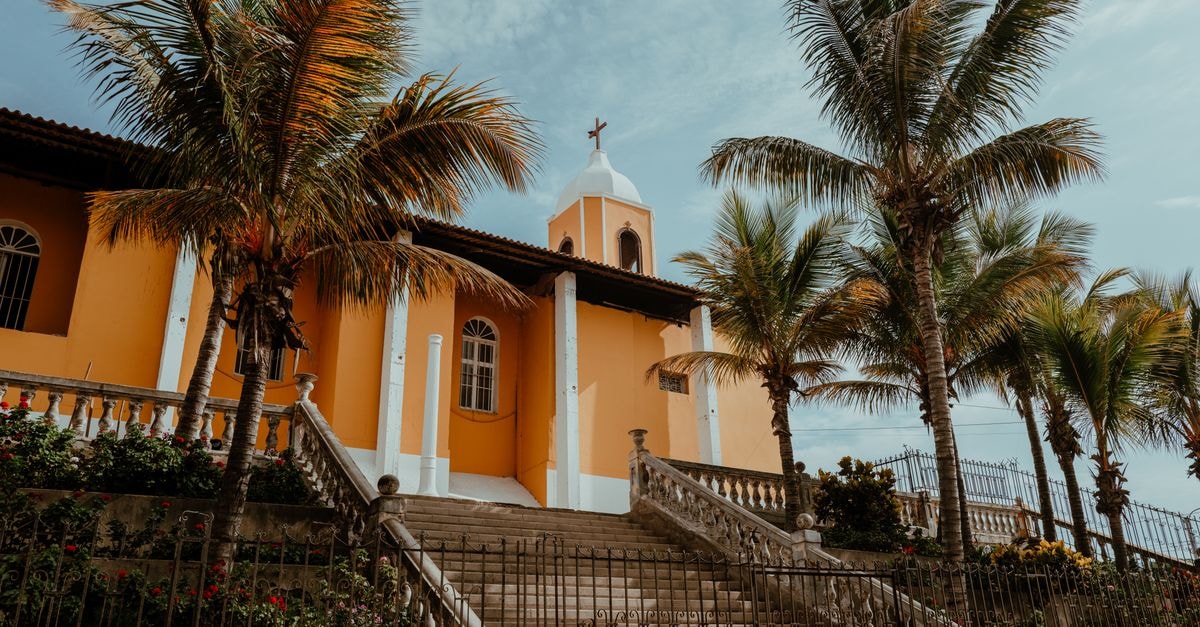
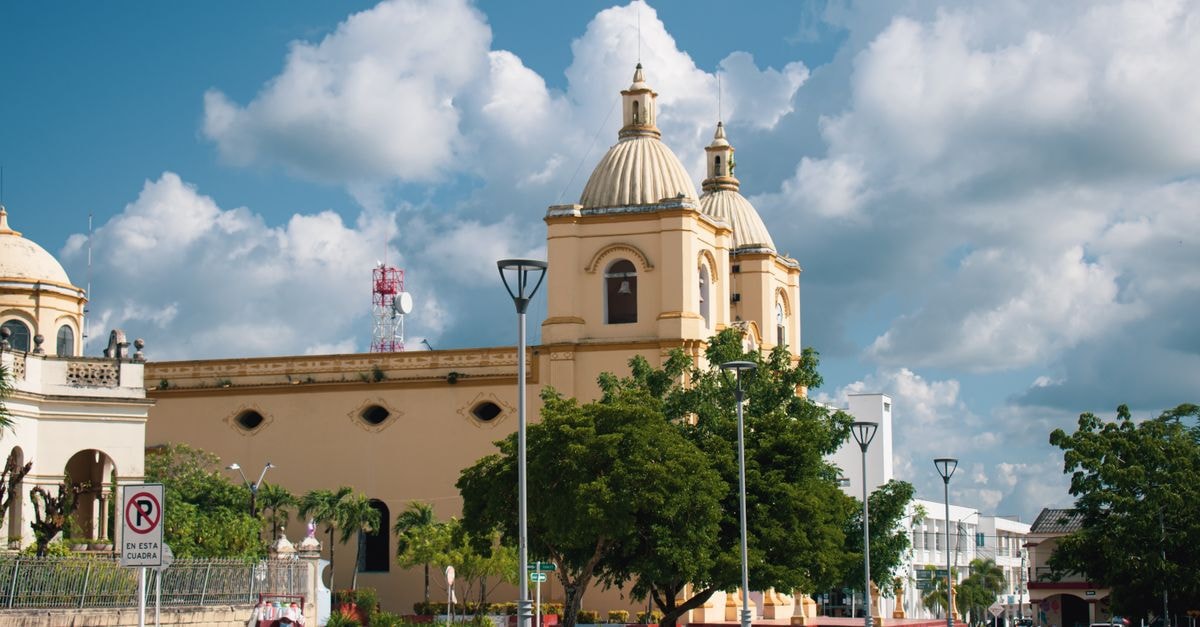
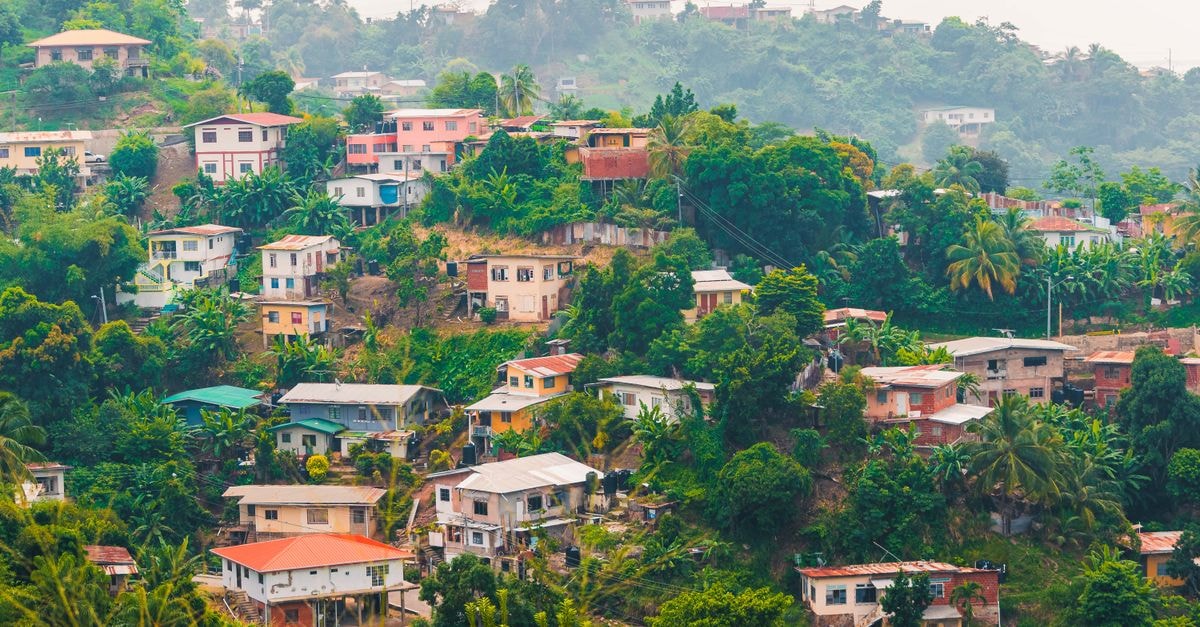
Tucked into Nicaragua's central highlands, Boaco carries the quiet rhythm of a town built on rolling hills. The air tends to feel softer than along the Pacific coast, the pace slows almost instinctively, and the surrounding landscape keeps its green depth through much of the year. For travelers who lean toward small-town atmosphere over capital-city bustle, Boaco offers a window into the country's interior life, with simple logistics and an unhurried welcome.
Weather and seasonal context
Boaco's year runs on a gentle climate rhythm rather than dramatic swings. Average temperatures hover in the low 80s Fahrenheit across the calendar, with only a few degrees separating the warmest and coolest stretches of the year. That consistency means visitors rarely need to plan around heat extremes, and lightweight clothing tends to work across seasons, though a light layer can be welcome in the cooler early-morning hours at higher elevation.
The clearest seasonal signal relates to how pleasant the weather feels overall. Tourism-focused climate analysis identifies the window from early December to late February as the most favorable stretch for warm-weather activities, when conditions tend to be slightly drier and the air often feels a touch crisper than in other months. Outside that window, the climate stays mild and inviting, but travelers who prefer the most settled weather may want to weigh that timing. Mornings typically open clear, while afternoons can bring passing showers that refresh the streets and leave a clean, green scent in their wake.
For most visitors, Boaco's weather shapes the day less than its geography does. Rather than planning around temperature changes, the practical rhythm tends to follow the sun: ease into the morning, take a slower break when the day peaks, and step out again as the light softens.
Getting around
Boaco sits within a working web of regional transport rather than a tourist-oriented network. A bus connection links the town with Managua, Nicaragua's capital, and with smaller destinations in the surrounding area. That single connection is the backbone of independent travel here, and travelers arriving without a private vehicle tend to plan their movements around it. Schedules can change and seats can fill on market days, so it helps to ask locally about departure times the evening before a planned move.
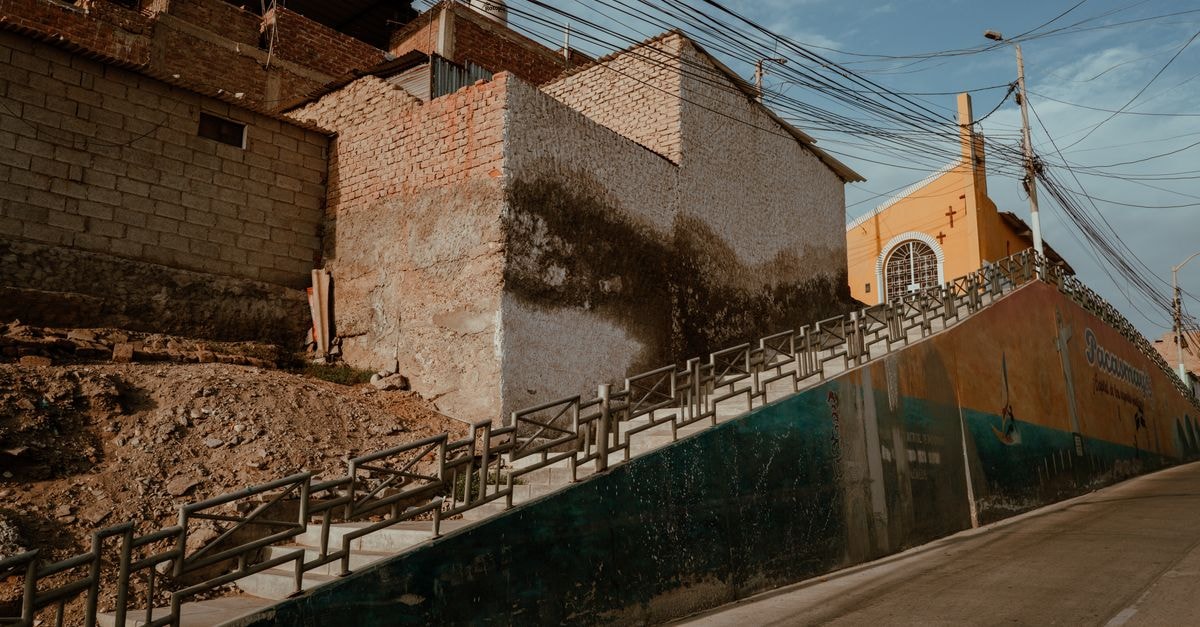
Within the town itself, walking is the natural way to experience Boaco, though the terrain asks for a bit of preparation. The streets climb and dip with the surrounding hills, so comfortable walking shoes make a real difference, and a steady pace helps more than rushing between points. If you prefer to avoid tiring climbs, consider shorter loops and pause often, especially during the warmest part of the day.
The town rewards unhurried wandering rather than a checklist of sights. Side streets offer glimpses of daily life, small plazas invite a sit-down, and the views across the rooftops toward the green hills appear almost without effort. Travelers who like to feel a town's texture on foot may find Boaco especially rewarding; those who prefer flatter terrain or have mobility considerations may want to plan shorter strolls and use rest stops.
Attractions and planning
Boaco presents itself as a town to explore rather than a checklist to clear. Local sources highlight a curated list of top attractions to visit in Boaco and the surrounding area, framing the destination as a place where travelers move through several points of interest rather than one headline site. That framing suits the town well, since its appeal lies in a combination of viewpoints, local landmarks, and the everyday scenes that fill the spaces between them.
Planning tends to be light here. Most visitors find that a relaxed approach, a comfortable pair of shoes, and a willingness to ask locals for directions opens up more of Boaco than any printed itinerary would. Because attractions are spread across hilly terrain, splitting the day into a morning loop and an afternoon loop can keep the pace comfortable. Travelers who prefer to pair sightseeing with quiet downtime may want to build in pauses at shaded spots; those who like a fuller, more energetic day can string together longer walks with stops for refreshments along the way.
A short verification note before you go: because attraction details, opening arrangements, and local services can shift, it helps to ask locally or check with a recent visitor about any specific site you plan to prioritize. Boaco rewards travelers who stay flexible.
A note on choosing what fits the trip
Boaco suits travelers who enjoy small-town walking and don't mind a few climbs, and who are happy to anchor their plans around the Managua bus connection rather than private transfers. The climate stays mild year-round, with the early-December to late-February stretch often feeling most settled for outdoor time. If you prefer flatter terrain, shorter loops and planned rest breaks can still deliver a rewarding visit. Pacing the day around the sun, rather than any single season, tends to work well here, and visitors who lean into the town's unhurried rhythm usually leave with the strongest impression.
Rates, schedules, and local conditions can change, so treat the practical details above as a starting point and confirm current arrangements through official channels or recent local guidance before departure.
Share this article
TOOLS FOR THIS PLAN
Make the Boaco plan measurable
Choose a tool only when it answers the next question in your trip. Your values stay in the browser, and each tool offers a route back to this planning context.