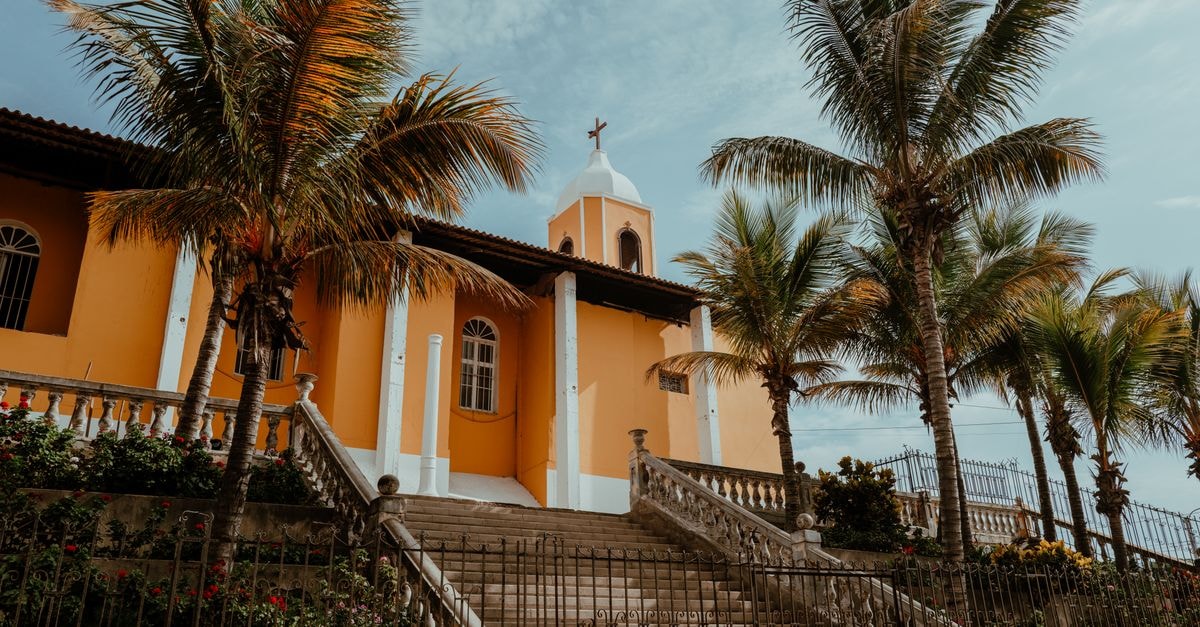
A small Mexican town with a quiet kind of pull

Ojo de Agua is the sort of place that rewards a slower rhythm. Set within Mexico's central highlands landscape, it carries the soft cadence of a town built around everyday life rather than a checklist of sights. Visitors who arrive expecting a big-city tempo often find themselves settling into the unhurried pace within a day, drawn in by simple streets, local faces, and the gentle texture of a community that does not perform for travelers.
Because Ojo de Agua is a smaller destination, the most useful travel approach is to lean into the essentials: understand the climate so you can dress and pace yourself well, and approach your time here with a planner's mindset rather than a packed agenda. The following sections lean on verified climate and travel information to help you build that approach without overreaching on speculation.
Weather and seasonal context
The single most useful thing to know before visiting Ojo de Agua is how its climate behaves across the year. Under the Köppen–Geiger classification system, the area features a hot-summer Mediterranean climate, designated Csa, which is a helpful shorthand for what travelers tend to feel on the ground: summers that lean warm and dry-leaning seasons at other points of the year that bring their own character.
Monthly climate summaries for Ojo de Agua show the average daily high and low temperatures alongside the daily mean, giving a layered picture of how a typical day unfolds. Rather than memorize numbers, think of this as permission to plan your day around the warmth: mornings and evenings tend to be the most comfortable windows for being out and about, while the middle of the day can feel brighter and warmer than many visitors from cooler climates expect.
For travelers thinking about when to come specifically for warm-weather activities, the tourism-oriented weather score for Ojo de Agua points to a relatively narrow window from late March to late May as the most pleasant stretch of the year. That is a useful anchor if you are the kind of visitor who plans trips around outdoor time. It does not mean the rest of the year is off-limits; it simply means shoulder weeks and summer days invite a different rhythm, with more time spent in the shade, on a terrace, or moving at a gentler pace. Pack breathable layers, sunscreen, and a light layer for evenings, and you will be well prepared for whatever window of the year you choose.
Because the climate classification and average temperature summaries are long-term patterns rather than live conditions, treat any forecast you check closer to your trip as the deciding voice for what to wear that day, and let the broader context above guide your overall packing list.
Attractions and planning
Ojo de Agua sits within reach of some of Mexico's recognized cultural anchors, and that broader regional context shapes how many travelers frame their time here. The historic center of Mexico City is the kind of landmark visitors orient wider trips around, and many travelers who stay in smaller towns use them as a calmer home base while making day visits into the capital's museums, plazas, and historic streets. Treat that as a planning frame rather than a fixed itinerary: the appeal of Ojo de Agua is its quieter character, so building in unhurried time here is part of the experience, not a delay before the "real" sightseeing begins.
Within Ojo de Agua itself, the attraction landscape is best approached with a relaxed eye. Travel write-ups about the town often lean into its nickname as a sprightly, water-feeling place, reflecting the meaning behind the name "Ojo de Agua." That said, it is worth keeping expectations grounded: small-town destinations in this part of Mexico tend to reward visitors who arrive curious about everyday local life rather than expecting a packed list of marquee sights. Walk the streets, stop at the plaza, visit a local market if your schedule allows, and let the texture of the town become its own attraction.
How to think about your trip
A useful way to frame a visit here is to split it into three loose intentions: weather, pacing, and curiosity. Use the climate section above to set your wardrobe and daily rhythm. Use the planning framing in the attractions section to build a realistic schedule that does not overpromise. And leave room for the curiosity layer, which is the part that often turns a small-town visit into the most memorable part of a longer Mexican journey.
For travelers arriving from cooler climates, the warm-summer Mediterranean character of the region can feel more intense than expected, especially during midday hours. Hydrate well, lean into shade during the warmest part of the day, and save longer walks for the morning and late afternoon. For travelers used to hotter lowland climates, the highland feel is often more comfortable than expected, with cooler evenings that make a light layer genuinely useful.
A note before you go
Travel conditions in any destination can shift between planning and arrival, and Ojo de Agua is no exception. Climate patterns described above are long-term averages, not live forecasts, and opening details for individual sites, services, and transit options should always be confirmed through official channels close to your travel date. Treat this guide as a grounded starting point, then layer in fresh, specific information as your trip approaches so your plans reflect the moment you are actually traveling.
Approached that way, Ojo de Agua becomes less a stop on a checklist and more a place that quietly shapes the rest of your Mexican trip, offering the kind of calm contrast that makes the bigger destinations feel even richer when you return to them.
Share this article
TOOLS FOR THIS PLAN
Make the Ojo de Agua plan measurable
Choose a tool only when it answers the next question in your trip. Your values stay in the browser, and each tool offers a route back to this planning context.