Setting the scene

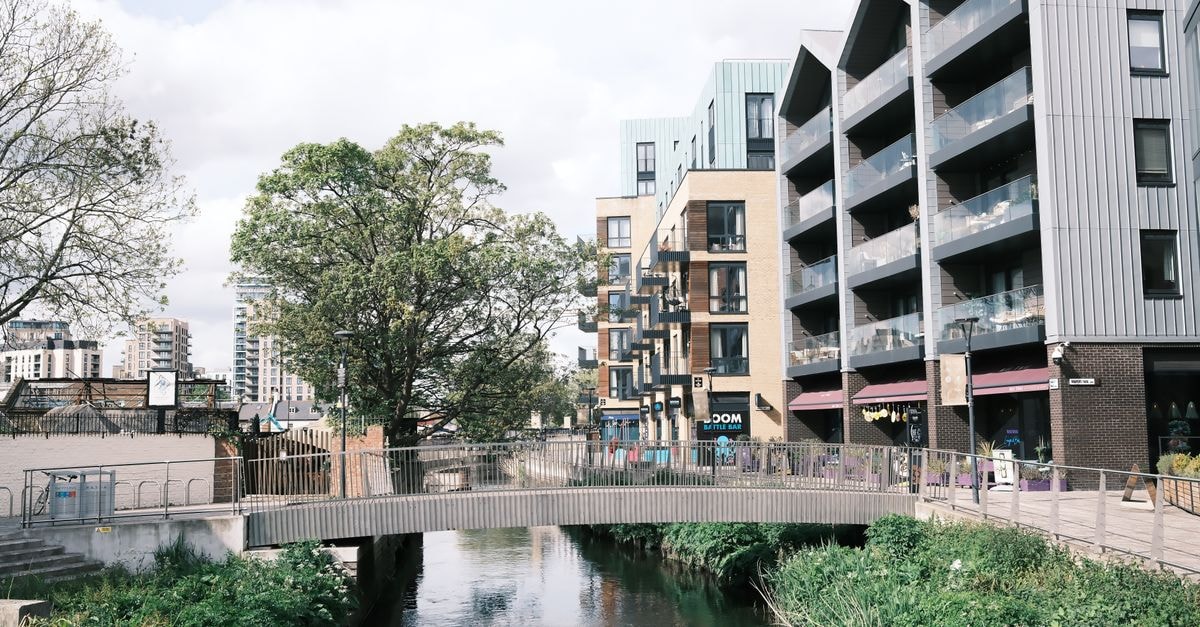
Boké sits where Guinea's Atlantic coast bends inward, anchored by a working river port and the soft rhythm of a waterfront shaped by trade and tides. Travelers who arrive here tend to be the curious kind, drawn to places that haven't been polished for tourism and that still feel shaped by the people who work the river. There's a particular atmosphere in the early hours: pirogues slipping past with a soft slap against the water, the air carrying the sour-sweet tang of fermenting palm wine drifting up from the port area. It's the kind of place where the river is the main character and the town arranges itself around it.
Independent travelers on modest budgets tend to find Boké approachable because the rhythms of daily life are visible and accessible. The port, the riverbanks, and the historic fort are all within reach of each other, so exploring on foot is the natural starting point. If you prefer slower travel that emphasizes observation rather than a packed checklist, this corner of Guinea rewards exactly that pace.
Weather and seasonal context
Boké's climate gives the town a layered feel. The river is a constant, but the air shifts with the rains, and the pace of life along the port responds to those shifts. Days can feel humid and heavy at times, lighter and breezier at others, and the riverbank often seems cooler than the streets inland.
Travelers who prefer to explore at an unhurried pace may want to time walks along the water for the cooler parts of the day, and pace heavier sightseeing around the midday heat. The port itself is most alive in the morning, when pirogues are moving and the palm wine vendors are working; an afternoon stroll still offers river views, but the energy is quieter. If you prefer harbor scenes with activity rather than stillness, morning tends to be the rewarding window.
This region also has practical considerations worth weighing before you arrive. Tourism infrastructure is thin and tourist presence is low, which is part of the appeal for some visitors and a real consideration for others. Guidance notes consistently flag that visitors should exercise a higher degree of caution than they might in better-known West African destinations, with limited policing, occasional protests, and petty crime among the concerns. Independent travelers who are comfortable with off-the-beaten-path conditions, who plan carefully and stay aware of local guidance, often find these realities manageable; travelers who prefer a more supported tourism environment may want to weigh that tradeoff honestly before committing.
A practical budget reality shapes the trip too. Daily costs for a budget traveler in Boké typically run roughly $30–55 per person per day, covering cheap local food and basic guesthouses, with transport costs varying based on how much you move around the region. That range gives independent travelers a workable baseline, though it assumes you'll rely on local eateries and modest accommodation rather than imported comforts.
Attractions and planning
The core of any Boké visit tends to cluster around two anchors: a regional museum housed in a colonial-era fort and the river that defines the town. They're worth understanding as a pair rather than as separate checklist items, because together they trace the arc of this place from Atlantic trade era to the resource economy of today.
The Boké Prefectural Museum is the most tangible piece of the town's layered history. Inaugurated in 1982, it's housed in a small fort originally constructed in 1878, which means you're walking into a building that predates the museum by more than a century. For travelers interested in how a place remembers itself, that layering matters: the fort came first, the regional collection came later, and the two together tell you something about how Guinea's coastal communities have framed their own story. History-minded visitors who enjoy small, locally curated collections rather than large national institutions may find this exactly the right scale.
Just outside that walled enclosure, the Fort de Boké ramparts invite a slower kind of attention. Walking the ramparts and reflecting on the town's role in the Atlantic trade is the kind of experience that rewards travelers who read landscapes for history rather than searching for photogenic angles alone. The fort's position gives you a vantage point over parts of the town and toward the river, tying the historical layer to the working port you saw from the water earlier in the day.
Taken together, Boké reads as a place where Guinea's history and its resource-driven present sit visibly side by side along the river. Travelers interested in that intersection, the way a town carries both its colonial trade past and its current bauxite-era economy in the same streets, will find more to think about here than travelers looking for a conventional sightseeing circuit.
Choosing what fits your trip
If you're deciding whether Boké is the right stop, the tradeoffs are fairly clear. The town rewards travelers who are comfortable with thin tourism infrastructure, who enjoy river landscapes and small historical sites, and who are curious about Guinea's regional story rather than chasing a polished urban itinerary. Budget travelers tend to find the cost baseline workable, though the lack of established services means more of the planning falls on you. Travelers who prefer a strong tourism buffer, structured guided tours, or a busy evening scene may find Boké quieter than they want. A short, slow visit focused on the fort-museum pairing and the riverfront tends to be the most satisfying way to engage with the place.
A note before you go
Conditions on the ground in Boké can shift, and what's described here reflects the broader picture rather than today's specifics. Before you travel, check current guidance from your country's foreign affairs or travel advisory service, confirm the status of any transport you plan to rely on, and verify opening arrangements for the museum directly with local contacts if the visit is central to your trip. Currency values and daily costs in this guide are reference points only; confirm the live exchange rate before you budget. With reasonable preparation, Boké offers an honest, atmospheric look at a corner of Guinea that most travelers skip past.
Prices, opening hours, schedules, reservation rules, and local conditions can change; verify them through official channels before departure.
Share this article
TOOLS FOR THIS PLAN
Make the Boké plan measurable
Choose a tool only when it answers the next question in your trip. Your values stay in the browser, and each tool offers a route back to this planning context.