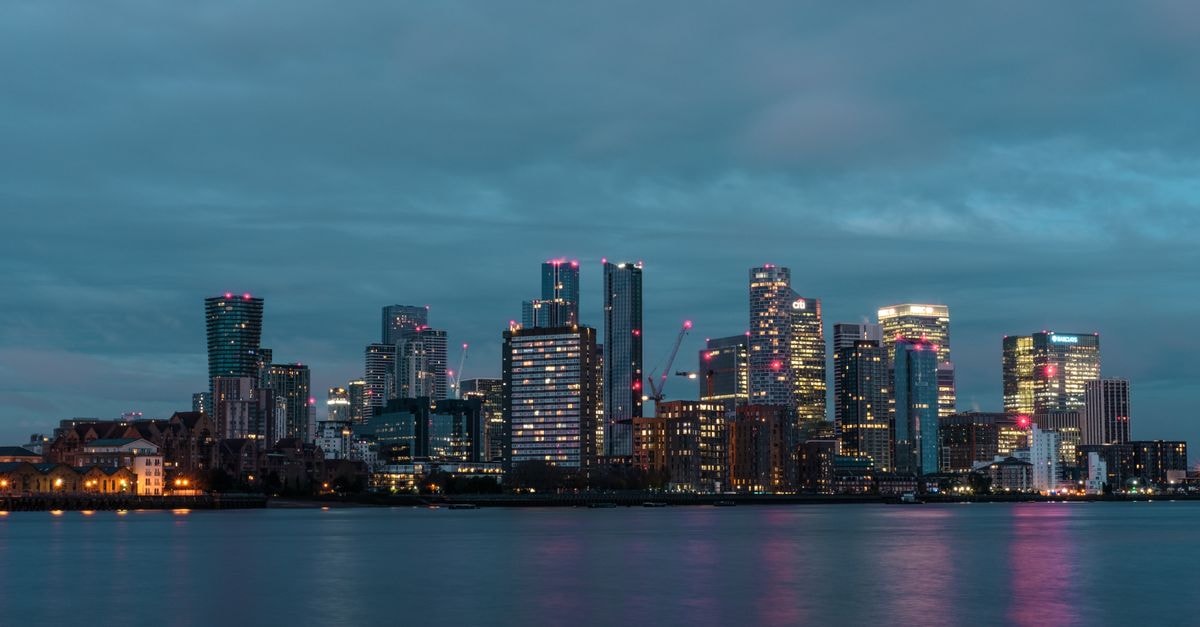
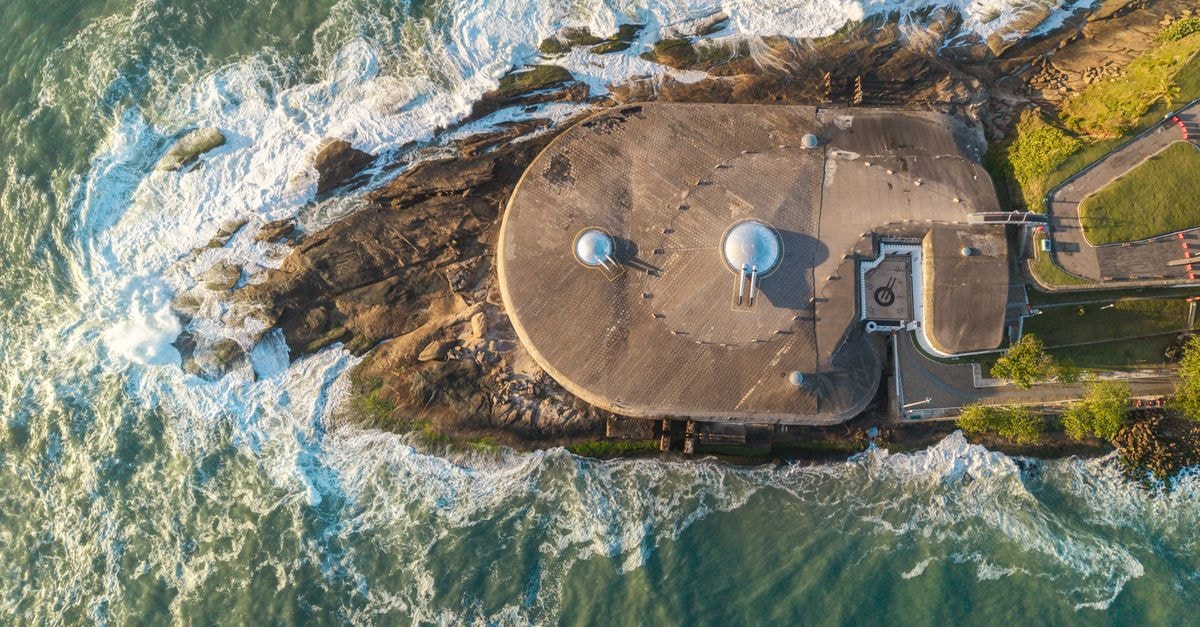
A coastal city shaped by two rivers

There is something wonderfully unhurried about East London. The waterfront feels lived-in rather than polished for visitors, and the city's edges blur easily into lagoon scenery and tidal estuaries. For travellers who prefer substance over spectacle, this is a city that rewards a slower pace and a willingness to look a little closer.
Getting around and finding your bearings
East London's identity is inseparable from water. Set between the Buffalo and the Nahoon, with the Indian Ocean rolling in just offshore, the city reads almost like a map drawn by its rivers. The river port remains an active working harbour, and the coastline to the east and west unfurls into long stretches of beach that locals treat as everyday escape routes rather than tourist sights.
If you are arriving from elsewhere in South Africa, the river port and the coastal road are useful orientation points; both define the shape of the city more clearly than any single landmark. Many travellers find that a few days spent settling into the rhythm of the place reveals more about its character than rushing between stops would ever show.
A museum worth slowing down for
For a city of its size, East London offers one genuinely unmissable stop for curious visitors. The East London Museum is home to a remarkable specimen: a coelacanth, the prehistoric fish long thought to have vanished from the world's oceans until one was caught nearby. Seeing the preserved coelacanth is a quietly powerful experience, less about spectacle than about the strange realisation that a creature from millions of years ago is still swimming in the deep waters off this very coast.
The museum is also a pleasant way to anchor a day of slower exploration. Rather than treating it as a quick photo stop, give yourself time to read the displays, ask questions at the front desk if staff are available, and let the coelacanth's story sink in. It is the kind of place that reframes how you think about the ocean you came here to enjoy, and it gives the rest of your visit a deeper sense of place.
Food and the wider South African table
Eating in East London is part of a much larger South African story. Across the country, the culinary landscape reflects a remarkable cultural mix, where traditional recipes, regional produce, and diverse community histories blend on the same table. Travellers who approach their meals here as part of that wider journey tend to find the experience richer for it, since South Africa is widely recognised for turning food into a way of understanding place and people.
It is worth remembering that South Africa's food culture is shaped by deep cultural diversity, and the country's culinary traditions are just one expression of the broader arts, festivals, and celebrations that bring its communities together. Visitors to East London may well encounter elements of that wider tapestry in everyday meals, from familiar staples to dishes rooted in regional history. Approaching the table with curiosity rather than expectation is usually the best strategy.
For independent travellers, the practical takeaway is simple: eat where locals gather, ask what is fresh, and treat the experience as a conversation rather than a checklist. East London is not pitched as a food capital, but it does sit within a country whose culinary corridors reward travellers who pay attention.
Practical rhythm and pacing
Because East London invites a slower pace, the most useful advice is structural rather than prescriptive. Plan fewer commitments per day than you think you need. Leave room for a long walk along one of the beaches, an unhurried afternoon at the museum, or a meal that turns into a longer evening than you intended. The city's geography, set between two rivers and the Indian Ocean, encourages exactly this kind of gentle rhythm.
A few quiet habits tend to serve visitors well. Carry water for beach walks, especially when heading out to the river mouths where conditions can shift. Keep an eye on the sun; the Eastern Cape coast can feel bright and warm through much of the year, and shade is not always plentiful along open stretches of sand. Allow time to simply sit and watch the river meet the sea; that, more than any checklist, is the memory most visitors carry home.
A final note before you go
East London is the kind of place that rewards travellers willing to trade a packed itinerary for a sense of rhythm. The coelacanth at the East London Museum, the river port between the Buffalo and the Nahoon, and the long Indian Ocean coastline together create a city with a clear and quietly memorable identity.
Practical travel conditions can change, so it is always wise to check official channels, current transport timetables, and up-to-date opening information before you set off. Treat this guide as a starting point for your own planning rather than a final word, and let the city's unhurried pace shape the trip you actually take.
Share this article
TOOLS FOR THIS PLAN
Make the East London plan measurable
Choose a tool only when it answers the next question in your trip. Your values stay in the browser, and each tool offers a route back to this planning context.