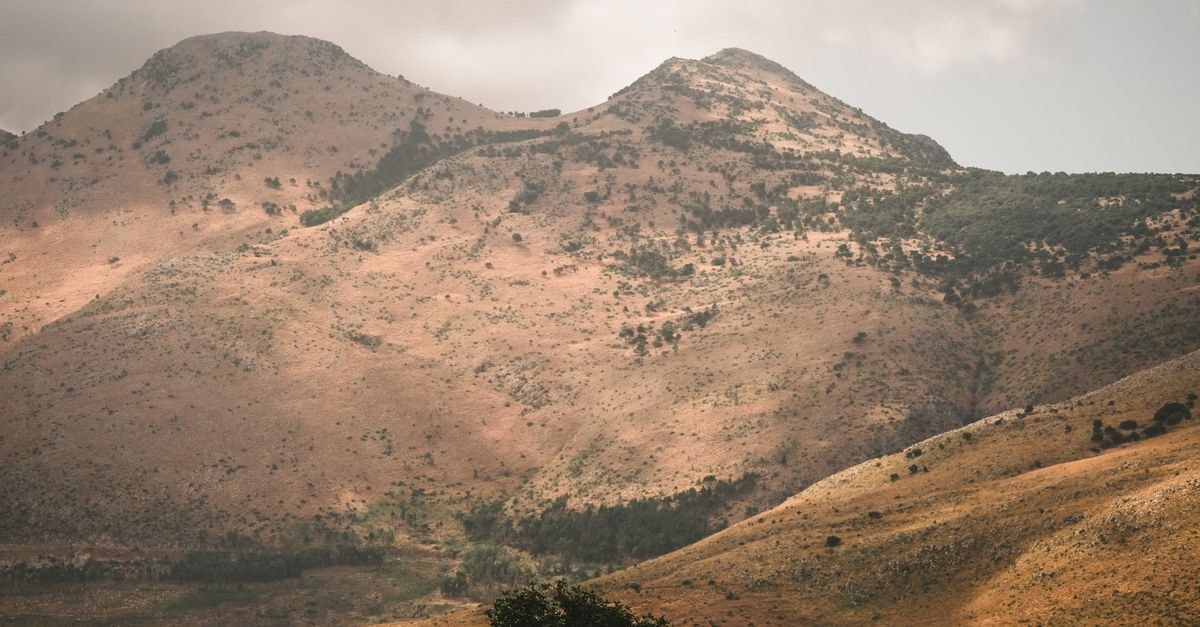
A quieter side of northern Algeria
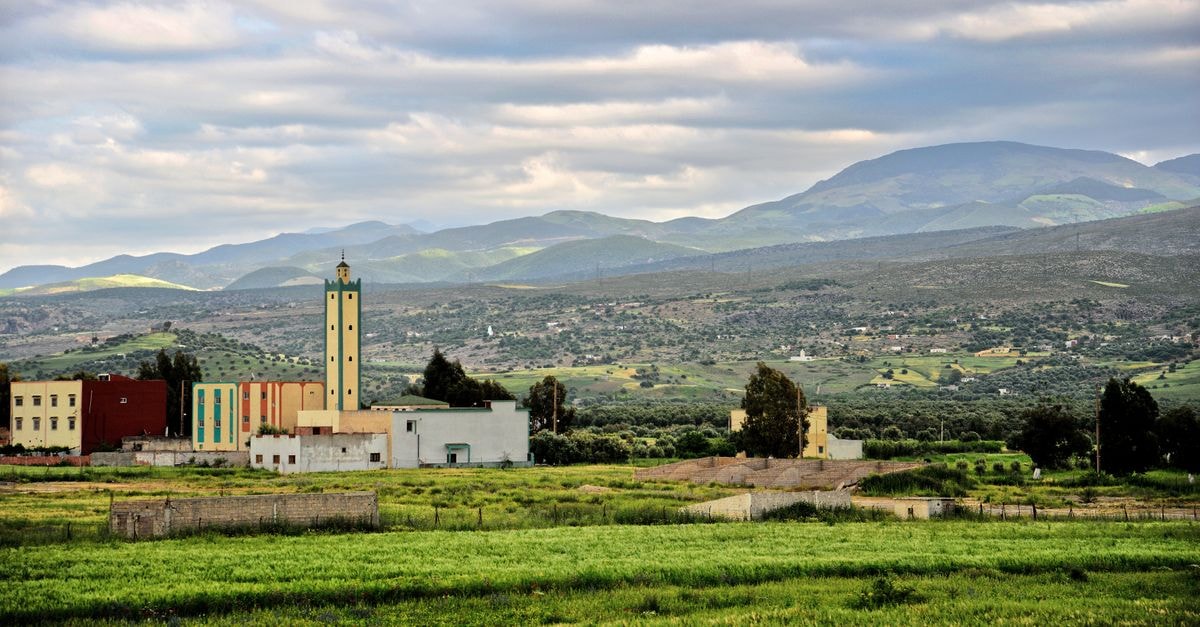
This guide leans into that pace. It is written for the traveler who enjoys reading a city by its outdoor spaces, its small-town geography, and the soft contrast between everyday life and the hills that frame it, rather than for anyone looking for a checklist of headline sights.
Getting around and the lay of the land
Bouïra grew as part of the wider network of towns and transportation routes that developed across northern Algeria during the French colonial period, and that older connective logic still shapes how the city feels today. The center remains compact enough to read at walking pace, with the surrounding ridges acting as a natural horizon rather than a barrier.
For travelers who like to understand a city by walking between its landmarks, that compactness is useful. You can spend a slow morning crossing the center on foot, then let public transport and taxis handle any longer hops along the main corridors. The road network also opens onto the surrounding hills, where the geography shifts quickly from urban streets to greener slopes. If you prefer a more active day, consider setting aside time for a longer loop that uses Bouira trails rather than roads, since the work points out that the surrounding park offers hiking trails that lead to breathtaking viewpoints, making it a paradise for nature enthusiasts. That kind of half-day outside the center is a natural fit for travelers who want to balance town time with a stretch of scenery.
Attractions and planning your time
Bouïra is less a city of single must-see landmarks than a city of texture, light, and small repeated pleasures. The provincial Direction of Tourism and Handicrafts maintains an overview of the city's tourism activities, which is a useful starting point for understanding how local authorities frame the visitor experience and what kinds of outings they organize around the area. Beyond that, the most rewarding approach is to treat the city as a base for unhurried discovery.
A loose rhythm that suits the place might look like this in your own planning: one morning in the center to get your bearings, one half-day spent on the trails and viewpoints in the surrounding park, and one afternoon reserved for slower wandering, market watching, and terrace stops. Travelers who enjoy reading a city through everyday life may want to leave generous gaps in their schedule, since the small things here, like the way light moves across the valley walls or the way the hills change color through the afternoon, are often what you remember longest.
Where Bouïra suits you best
Bouïra tends to reward a specific kind of traveler. If you enjoy walking as a default, prefer scenery to monuments, and like the feeling of being slightly off the main tourist path, the city fits well. The compact center, the easy access to hiking trails in the surrounding park, and the slower provincial pace all support that style of visit. The surrounding park offers hiking trails that lead to breathtaking viewpoints, which may suit travelers who want to combine a small-city stay with active outdoor time, while those who prefer a more purely urban rhythm can simply stay closer to the center and let the hills form the backdrop.
A note before you go
Bouïra rewards travelers who arrive curious and unhurried. Use the Direction of Tourism and Handicrafts as a starting point for current local activities, and confirm any specific opening times, transport connections, and trail conditions through official channels before you set out. Prices, schedules, and on-the-ground details can change, so a little local checking goes further than any single guide. Pack for a climate that ranges from warm summers to cool winters, bring comfortable shoes for both the town and the trails, and let the hills set the rhythm of your day.
Share this article
TOOLS FOR THIS PLAN
Make the Bouïra plan measurable
Choose a tool only when it answers the next question in your trip. Your values stay in the browser, and each tool offers a route back to this planning context.