A high-plateau capital worth knowing
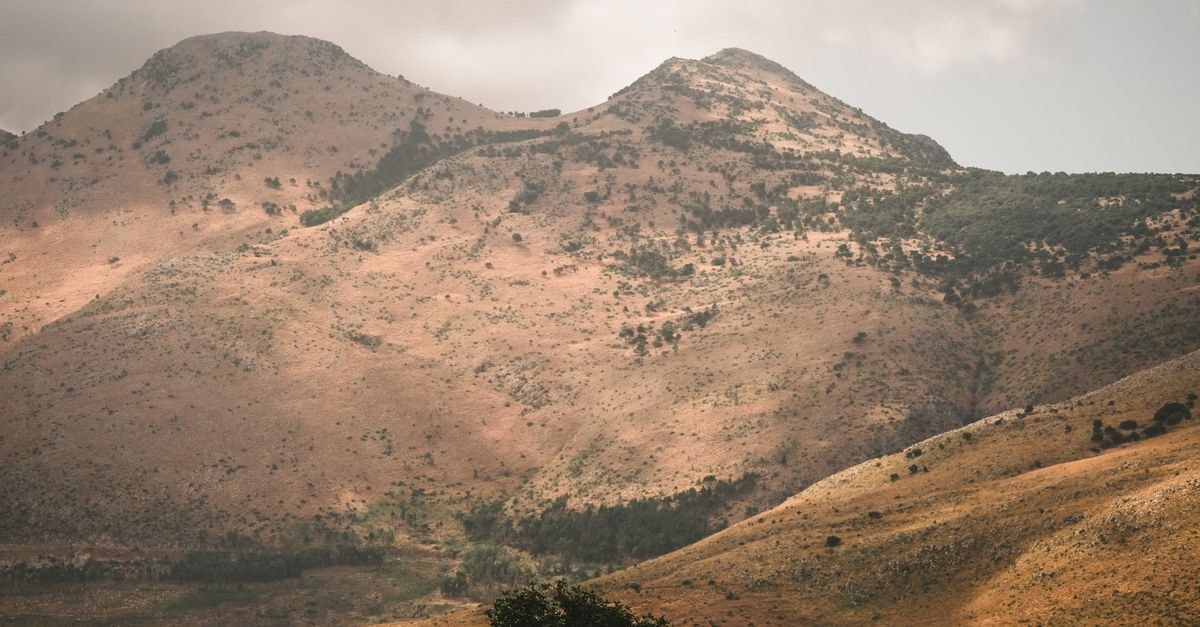
For travelers who prefer destinations where civic identity, religious life, and market culture still set the daily pace, Bouar offers exactly that kind of texture. It is also the headquarters of the Evangelical Lutheran Church for the Central African Republic, a small but telling detail that hints at the city's longstanding role as a regional and ecclesiastical center.
Because the city is small and not a heavily touristed capital, planning ahead matters more than rushing through. The guidance below is built strictly around what can be verified about Bouar today, with light travel framing to help you decide whether it suits the kind of trip you have in mind.
Getting around and regional context
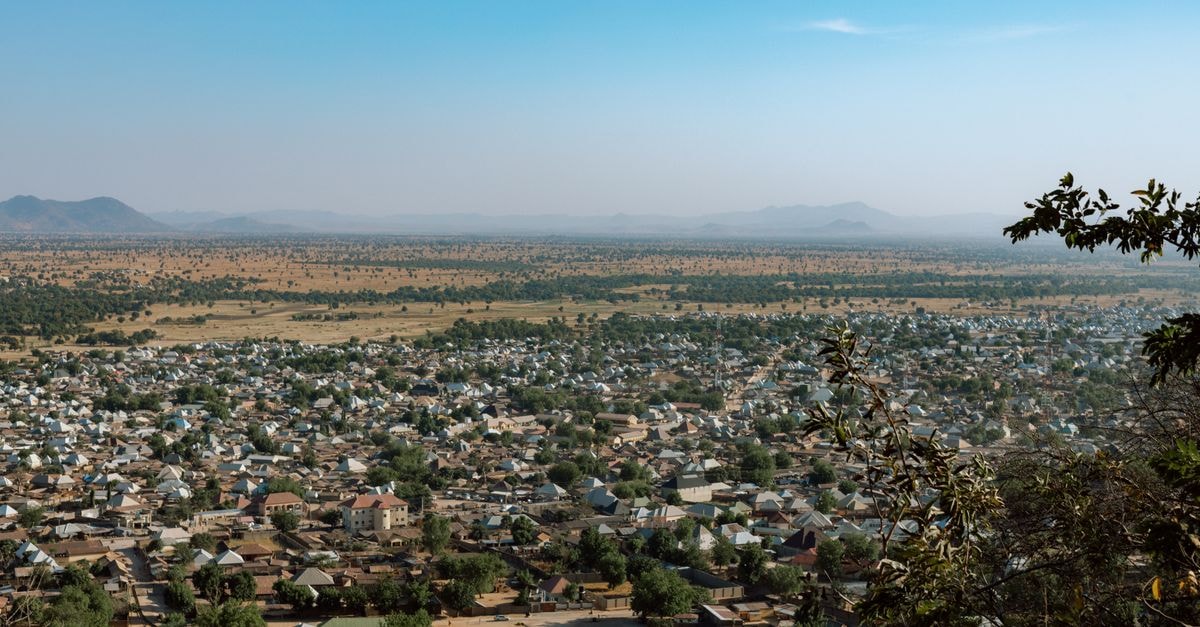
Bouar's regional position is straightforward: it sits within Nana-Mambéré, a prefecture whose sub-prefectures include Baboua, Baoro, Bouar, and Bouar-Abba, with Bouar functioning as the principal town. That administrative centrality is useful context, because it means the town is the natural anchor point for anyone moving through this part of the country.
Air access into the area is served by Bouar Airport, which sits at roughly 5°57′35″N, 15°38′15″E. Domestic air service to smaller Central African Republic airfields can be thin and schedules are not always stable, so travelers who plan to fly should confirm current operations well in advance through the carrier or a local fixer rather than relying on a published timetable. Overland travel into Bouar tends to be the more dependable option for visitors who are already in-country, particularly those who are able to be flexible with their road transport.
If you prefer to keep your trip logistics simple and are comfortable with regional road travel, arranging ground transport from a larger hub and treating Bouar as a stay-in-place base may suit you better than trying to connect multiple small flights. Travelers who prize slower, place-anchored days rather than tight multi-stop itineraries will likely find this approach more rewarding.
Attractions and planning
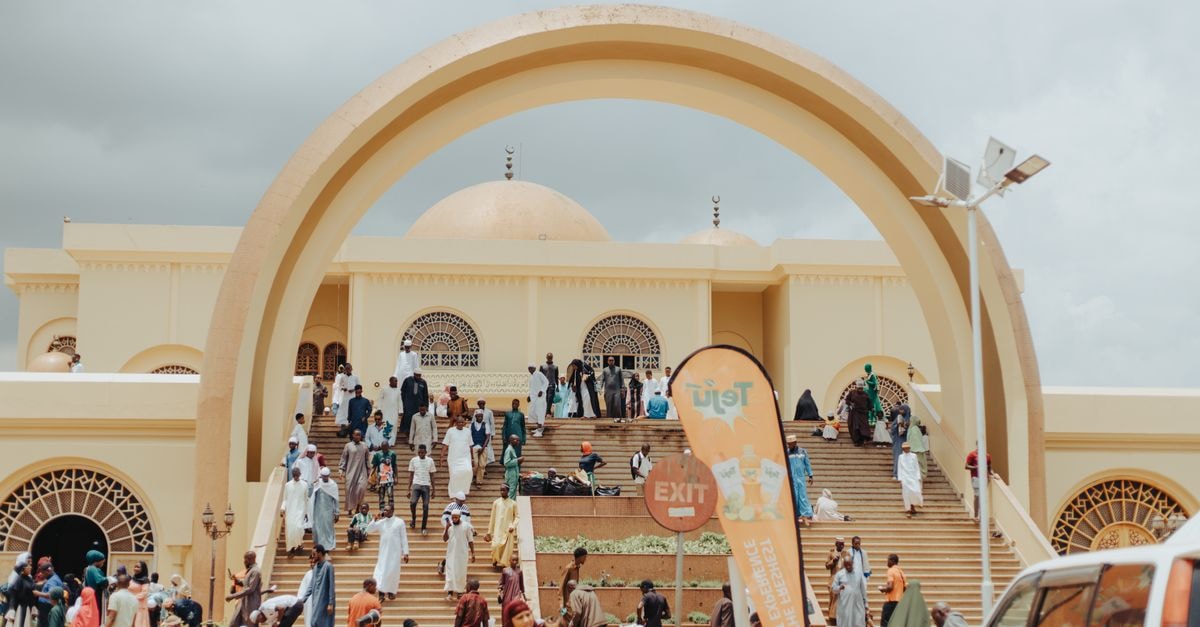
Bouar's attractions are modest in number, but they are deeply woven into the life of the town. The Cathedral of Bouar is a central church that anchors the town's religious life and reflects the colonial-era architecture that still defines parts of the plateau. For visitors who enjoy layering religious sites, civic landmarks, and architectural history into a single walking day, the cathedral is an obvious focal point. Take time to observe respectfully and check locally whether visitors are welcome inside during services.
Beyond the cathedral, Bouar's appeal is less about a checklist of sights and more about the texture of the town itself. The setting on the high plateau means wide streets, long sightlines, and a relaxed pace that rewards travelers who like to read a place slowly rather than race through it. Because Bouar is not a heavily curated tourist destination, the experience tends to come from unhurried observation of daily life, conversations with residents, and visits to the small civic and religious landmarks that define the center.
If you prefer destinations with a deep catalog of attractions, ticketed museums, and organized tours on every corner, you may want to reconsider Bouar as your primary destination and instead pair it with a longer stay elsewhere in the country. Travelers who are comfortable shaping their own days, enjoy small-town rhythms, and like destinations with religious and civic character rather than resort polish will find Bouar fits the bill.
Food and local context
For travelers interested in everyday Central African cuisine and market culture, the Bouar Central Market is a useful place to orient yourself. It is described as a great place to visit for those interested in local culture and cuisine, and that description is honest about what to expect: a working market where residents shop, sell, and socialize, rather than a curated food hall. Visitors who enjoy markets as cultural spaces will likely find this one worth a slow morning.
Wider food context across the Central African Republic tends to center on staple starches such as cassava and plantain, accompanied by stews, grilled proteins, and simple sauces. You may encounter these traditions in Bouar, but specific dishes, restaurants, and prices are not documented in the available evidence, so it is worth asking locally what is in season and where residents currently eat. If you prefer destinations with a well-documented restaurant scene and English-language menus on every corner, you may want to set expectations accordingly and treat meals as part of the discovery rather than a researched list.
Road travel in and around Bouar can be slow and conditions vary by season, so travelers who build in extra time for transport and keep meals flexible tend to get more out of the experience than those who try to lock in a tight dining schedule.
A note before you go
Conditions in Bouar, including transport links, market operations, and visitor access to religious sites, can change quickly, so it is worth verifying the details that matter to you through official or on-the-ground sources close to your travel date. Factual conditions on the ground should always take precedence over any summary guide.
Prices, opening hours, schedules, reservation rules, and local conditions can change; verify them through official channels before departure.
Share this article
TOOLS FOR THIS PLAN
Make the Bouar plan measurable
Choose a tool only when it answers the next question in your trip. Your values stay in the browser, and each tool offers a route back to this planning context.