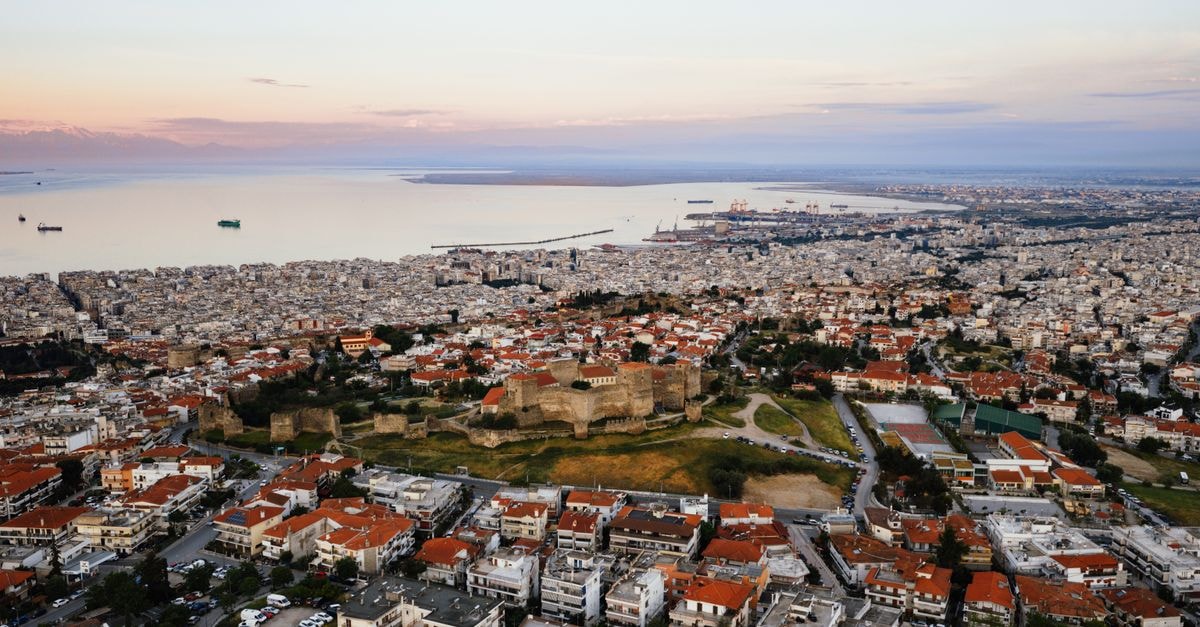
A first look at Brčko

The city reads as compact and walkable, with most points of interest close enough to reach on foot. A short visit can feel complete, yet the district rewards unhurried exploration, especially for those who like to balance a little sightseeing with long coffee stops and slow riverside evenings.
Getting around
The closest airport to Brčko is Tuzla International Airport, which makes it a practical air gateway for travelers arriving from further afield. From there, onward travel by road or rail brings visitors into the district. Within Brčko itself, the historic importance of its location on key trade routes is still visible in how the city is laid out, with a ferry crossing noted along the river as part of the riverside setting.
Because the centre is compact, walking tends to be the most rewarding way to get a feel for the place. The river terraces, main promenade, and surrounding streets are all close together, so a day of gentle wandering is realistic for most visitors. Travelers who prefer to start their planning around the Tuzla air link, given its proximity to Brčko, may find it a convenient entry point before keeping local travel simple on foot once they arrive.
Attractions and planning
The Brčko District Museum is the cultural anchor of any visit, sitting in the heart of the district and offering a window into local heritage. The museum is described as a cultural gem that gives visitors a deep sense of the region's history, and it works well as a starting point before exploring the wider city. Travelers interested in understanding the context behind Brčko's blend of cultures will find it especially worthwhile.
Beyond the museum, the city itself is the attraction. The riverfront terraces reveal Austro-Hungarian facades and a river crossing, while the multicultural market and main promenade give a sense of the everyday. Strolling through the city parks, especially when the linden trees are in bloom, is a classic local pleasure, often paired with an unhurried coffee stop. Travelers who enjoy layering a museum visit with slow outdoor wandering will find the city easy to navigate, with the main points of interest within a comfortable walking radius.
A practical note on pacing: the museum and the riverside areas can comfortably fill a relaxed day, with plenty of room to pause at cafés and watch the river traffic. There is no need to rush, and the city tends to suit visitors who prefer depth over a packed checklist.
Food and local context
Food in Brčko is best approached as part of daily life rather than a list of famous dishes to tick off. The city's slower, neighborhood style of discovery is part of the pleasure, and that is felt as much in the small family-run places as in the markets. Visitors who treat meals as a way to settle into the rhythm of a place will feel at home here.
The Sava-river terraces, with their Austro-Hungarian facades, frame a multicultural market and a ferry crossing, and that setting shapes the food experience. Markets and family-run eateries are good places to sample Bosnian dishes like ćevapi, as well as fresh fish drawn from the river itself. In wider Bosnia and Herzegovina, ćevapi and grilled meat dishes are everyday staples often eaten in modest, welcoming settings, and visitors may encounter that style of casual dining across the country while in Brčko. The combination of a working market, a river, and a tradition of family tables means that eating well here rarely requires any special planning.
Travelers who prefer slower meals and conversation over fast sightseeing will find Brčko's food culture especially rewarding. It suits those who are happy to follow what looks good at a market stall or step into a small eatery without a fixed plan.
Choosing what fits your trip
Brčko is well suited to travelers who want a compact, walkable city with a clear cultural anchor and a strong sense of place. The river setting, the museum, and the surrounding cafés and markets make it easy to build a day around slow exploration rather than a packed schedule. Visitors arriving through Tuzla International Airport, which is the closest air link to the city, may appreciate how reachable the centre is once on the ground. Those who enjoy layering history with everyday food culture, and who are happy to let a riverfront city set the pace, will likely find Brčko a satisfying stop.
A few things to keep in mind
- Brčko's centre is compact, so plan for walking rather than a long list of transit connections. - The Brčko District Museum is a strong starting point for understanding the local story. - Markets and family-run eateries are a natural fit for sampling ćevapi and fresh river fish. - Travel conditions, opening hours, and local services can change, so check official sources before departure to confirm the details that matter for your trip.
Factual conditions in any city can shift over time, and this guide is a starting point rather than a final word. Confirm current travel details with official channels before you go, and let the city itself surprise you once you arrive.
Share this article
TOOLS FOR THIS PLAN
Make the Brčko plan measurable
Choose a tool only when it answers the next question in your trip. Your values stay in the browser, and each tool offers a route back to this planning context.