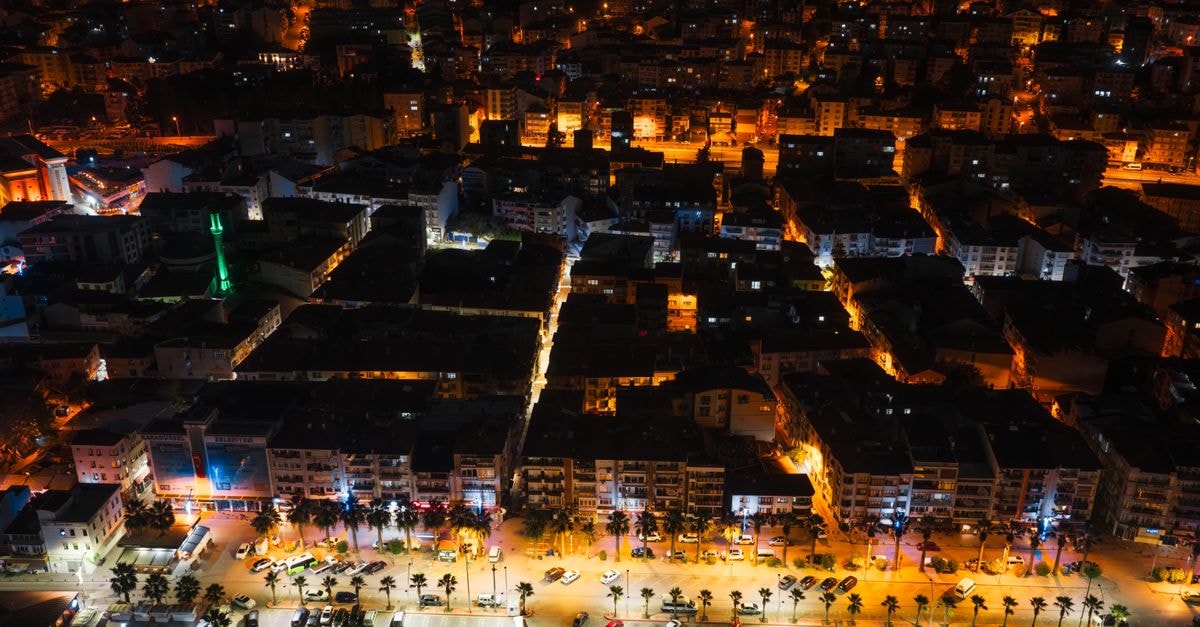
A city that rewards a slower pace

Thessaloniki has the kind of layered feel that you only get from Greece's second-largest cities, where history and everyday life sit comfortably next to each other. As Greece's second-largest city, Thessaloniki blends rich history with a modern, energetic vibe, and that combination tends to shape how visitors move through it. The Mediterranean climate, the sea breeze drifting in off the Thermaic Gulf, and the rhythm of a port city all work together to create a setting that invites wandering rather than rushing. This guide stays deliberately evergreen, focusing on the kind of context that holds true across visits rather than the specifics of a single month.
Weather and seasonal context
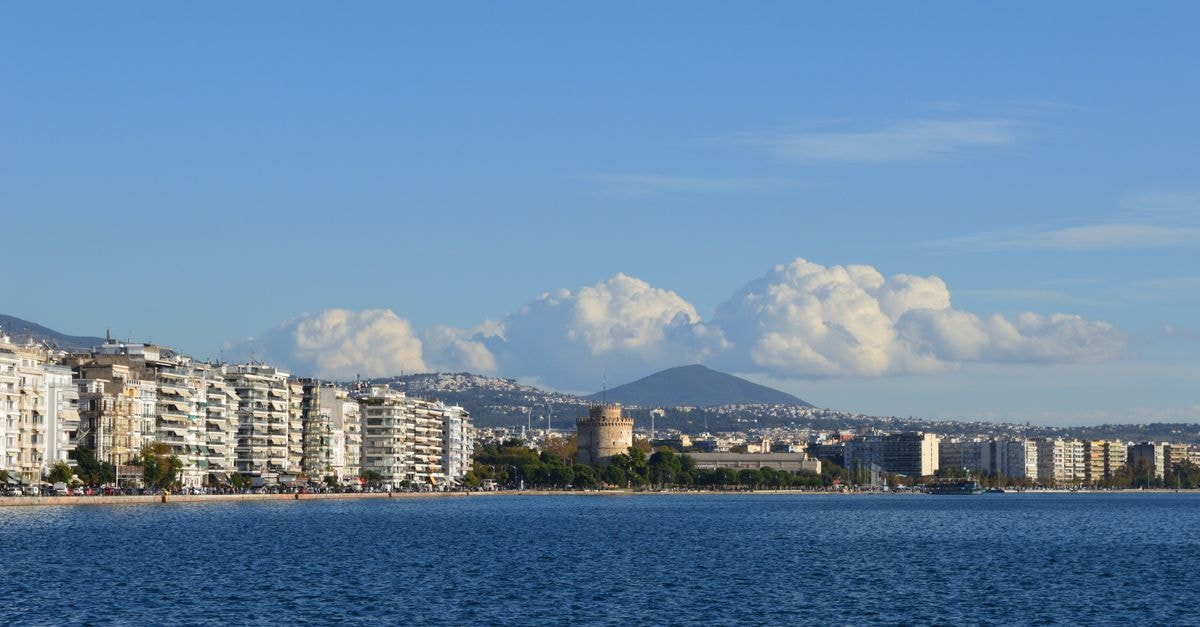
Thessaloniki sits within a Mediterranean climate zone and uses the Euro (€) as its local currency [F1-1]. The practical takeaway for travelers is that the city can feel intensely warm, with heat waves pushing temperatures past 40°C (104°F) on some days each year. The saving grace is geography: sea breezes help to cool the city somewhat, which can turn a difficult afternoon into something more manageable, especially near the waterfront [F1-2].
Pacing the day is a useful approach in this climate. Mornings tend to be the most comfortable window for longer walks along the seafront or for sightseeing that involves open squares and exposed streets. Midday heat, when it arrives, is often best handled with a long lunch, a shaded café, or a slower indoor stop. Evenings usually bring the breeze back, which is when the city opens up again, and the waterfront in particular becomes a natural gathering point. If you plan outdoor time, the standard traveler habit of pausing for water, lighter layers, and shade is worth treating as a default rather than an exception.
Because this is an evergreen guide, no specific month is treated here. Instead, the climate picture is one of warm summers, occasional intense heat waves, and a sea breeze that consistently shapes how the city feels day to day.
Getting around and finding your footing
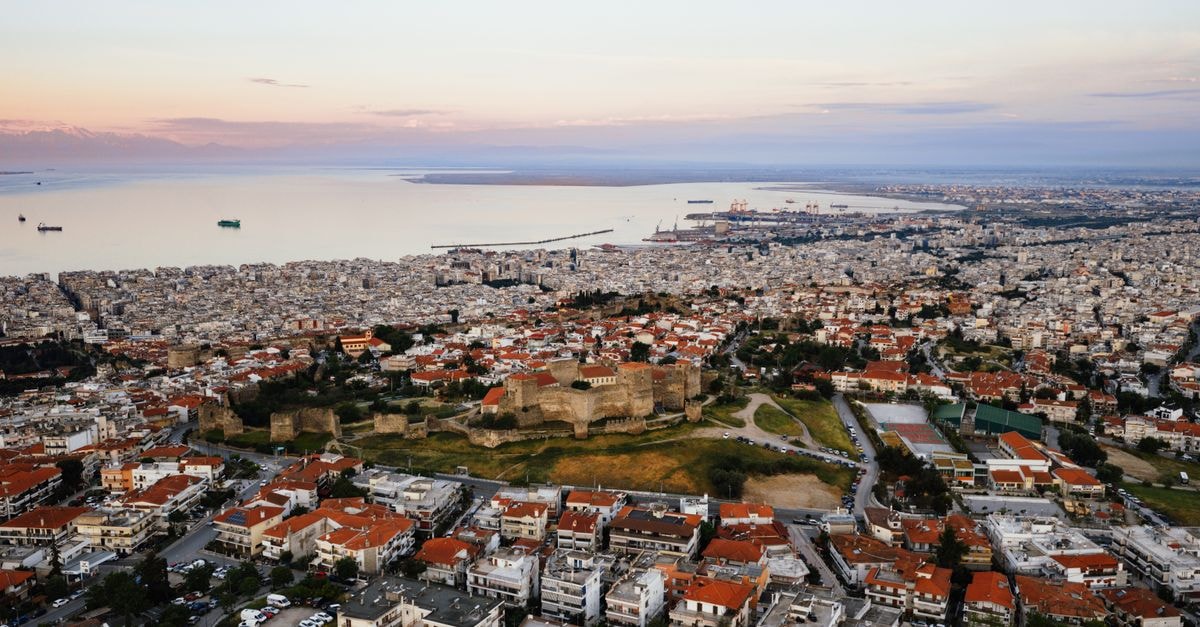
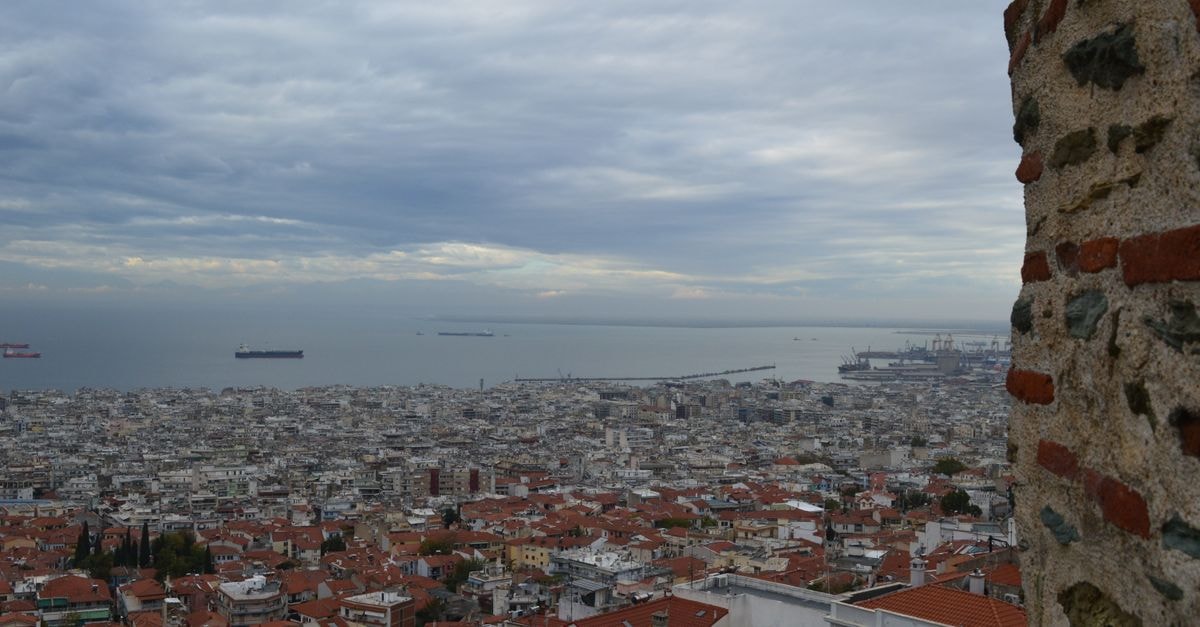
Because Thessaloniki blends rich history with a modern, energetic vibe, the experience of moving through it tends to alternate between older quarters with narrower streets and more open contemporary stretches [F4-2]. That contrast is part of the city's character and is worth letting unfold naturally rather than trying to compress it into a tight schedule.
For visitors who want a structured sense of what to see, city-focused travel guides walk readers through the main attractions, including a published list titled "24 Must-Visit Attractions In Thessaloniki, Greece" that unfolds its stops under the framing phrase "Follow Route 66 as the journey unfolds" [F5-1]. Another framing, useful for longer stays, describes well-paced 6–9 day trips with a balance of culture, nature, and exploration, which suggests a city comfortable with both short visits and a more leisurely extended stay [F5-2]. Independent travel resources also publish free-to-read travel guides to Thessaloniki, positioning the city as Greece's second city and offering their content without ads, which can be helpful for sketching out a route before arrival, even if the final walk ends up being more improvised than planned [F6-1][F6-2].
Food and local context
Food in Thessaloniki is treated with real seriousness, which is something visitors tend to notice quickly. The city has been recognized for the role gastronomy plays in its identity, and the framing "for the city of Thessaloniki, gastronomy is culture" captures how strongly food is woven into daily life and civic pride [F8-1]. That framing shapes the way locals talk about meals, the care taken with sourcing, and the importance of shared tables.
Because Thessaloniki blends rich history with a modern, energetic vibe, that same blend tends to show up in its food scene as well: traditional dishes and preparations sitting alongside newer interpretations in a way that feels organic rather than staged [F4-2][F8-1]. The most useful approach for a visitor is to treat meals as part of the sightseeing, not a break from it, and to leave room in the day for a sit-down lunch rather than treating eating as something to tick off between stops.
A few closing notes for the road
Thessaloniki's appeal is not about rushing through a checklist. The city's Mediterranean climate, its sea breeze, its walkable port-side layout, and the way food is treated as culture all push toward a slower, more attentive kind of visit [F1-1][F1-2][F4-2][F8-1]. Travelers who plan generous time for the waterfront, who build in a long midday pause when the heat is on, and who let a published attraction list such as the "24 Must-Visit Attractions In Thessaloniki, Greece" feature provide a starting point rather than a rigid schedule tend to get the most out of the experience [F1-2][F5-1].
Factual conditions can change, so it is always worth checking official channels before departure for the latest on local services, opening arrangements, and any travel guidance that may affect your visit.
Share this article
TOOLS FOR THIS PLAN
Make the Thessaloniki plan measurable
Choose a tool only when it answers the next question in your trip. Your values stay in the browser, and each tool offers a route back to this planning context.