A Medieval Pocket in West Flanders

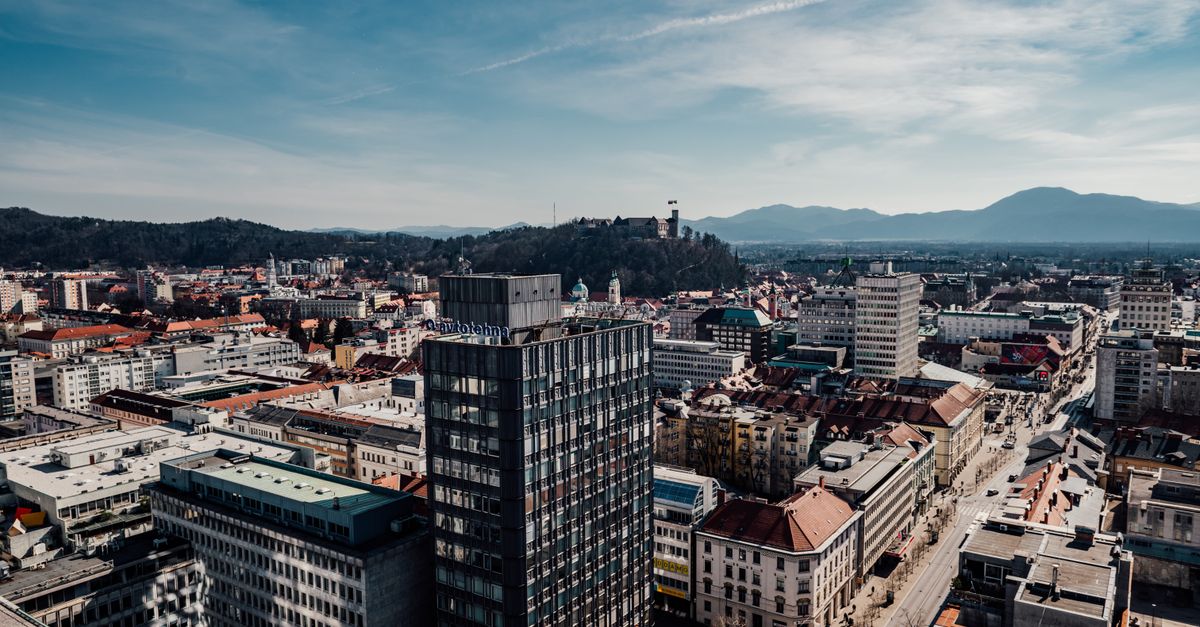
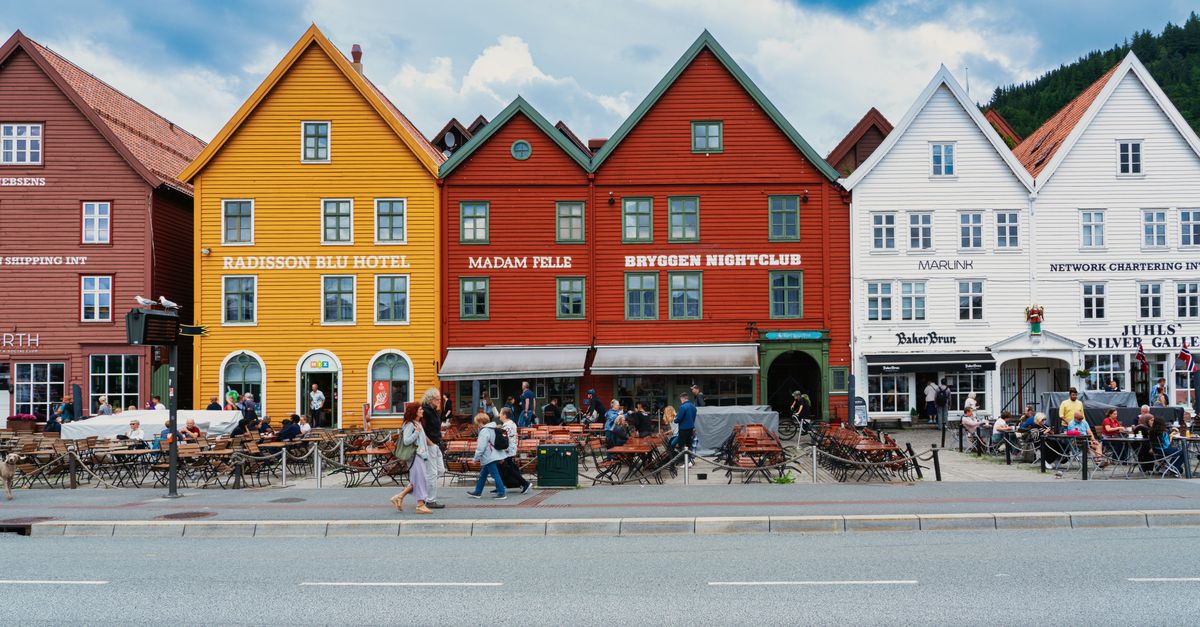
Bruges is a compact UNESCO World Heritage city in Belgium's West Flanders province, roughly 25 km from Ostend, 45 km from Ghent, and 100 km from Brussels. Its medieval centre survived the wars and redevelopment that reshaped most other European cities intact, leaving cobbled lanes, step-gabled guild houses, and a canal network locals nickname the Venice of the North. The 83-metre Belfry has watched over the Markt since the Middle Ages and still climbs 366 steps to a rooftop view of red tiles and waterways; just east, the Gothic Town Hall on Burg Square holds an ornate painted ceiling, and the Basilica of the Holy Blood keeps a venerated relic of Christ's blood. Cut off from the North Sea when its Zwin inlet silted up in the 15th century, Bruges accidentally froze itself in time, and that preserved character is the entire reason roughly eight million visitors now arrive each year.
July Weather: Warm, Long Days, and Some Rain
July is Bruges's warmest month, with daytime highs around 22–23 °C (72–73 °F) and overnight lows near 14 °C (57–58 °F). Two climate datasets put July rainfall at 61 mm and 80 mm respectively, both across about 12 rain days, so plan for roughly a third of the month to see some wet weather and pack a light waterproof. Skies are around 43% overcast on average, with the clearest stretch around 22 July. Sunrise on the 15th is 5:48 AM and sunset is 9:57 PM, giving 16 hours and 9 minutes of daylight and plenty of room for evening exploration after the day-tripper crowds thin out. The midday UV index reaches around 10.8 (very high), so sunscreen and a hat are wise between 11 AM and 3 PM, and mosquitoes are moderately active at dawn and dusk.
This is the heart of peak season, with Northern Hemisphere summer holidays, the longest queues of the year at the Markt, the Rozenhoedkaai viewpoint, and the canal-boat piers, and the highest accommodation and flight prices of the calendar. Booking flights and lodging 3–5 months ahead is the standard advice; central hotels in particular disappear first.
Getting There and Getting Around
Bruges sits on the Brussels–Ostend rail spine. From Brussels-South (Brussel-Zuid/Bruxelles-Midi), three direct trains per hour reach Bruges in roughly one hour; from Antwerp-Central or Ghent the trip is also direct. Eurostar, TGV, and ICE link Brussels-South with Paris, Lille, London St Pancras, Amsterdam, and Cologne, and sleeper trains run from Vienna and Berlin, so most of Western Europe is within a half-day rail ride. The Bruges station (Brugge, not Sint-Pieters) is within walking distance of the historic centre.
Inside the old town, walking is the practical default. The streets are short, cobbled, and largely pedestrianised, and many sections are car-free or restricted. De Lijn city buses loop the centre and connect to the station; a 10-journey Lijn card bought at the station or any newsagent saves queuing for single tickets. Self-service bikes are available through nextbike stations scattered around the old city and suburbs, and a footbridge across Minnewaterpark links the centre to the Begijnhof without a road detour. Cars cannot enter the historic core: leave your vehicle in one of the underground car parks (the multi-storey next to the station is the cheapest), and ignore any unmarked cars offering airport transfers inside the terminal; use the licensed cab rank outside arrivals instead. Horse-drawn carriages queue on the Markt for those who want a slower ride, and coaches are barred from the centre entirely; only Bargeplein (Kanaaleiland) is the official pick-up and drop-off area.
Top Attractions and What's On in July 2026
A canal boat tour is the classic introduction: half-hour rides glide past the Beguinage courtyard, hidden gardens, and the famous canal reflections at adult prices around €15 (children 4–11 around €9), with five city-managed departure points. Climbing the Belfry (€16 standard / €15 winter weekday adult entry) gives the panorama that defines the city. In the Church of Our Lady, the free nave holds Michelangelo's white marble Madonna and Child, the only Michelangelo sculpture to leave Italy during his lifetime, with a small museum section around €10. The Groeningemuseum packs six centuries of Flemish and Belgian painting into a compact hour and a half (€15, closed Wednesdays), and the Basilica of the Holy Blood is free to enter, with a museum and treasury around €5.
Two ongoing exhibitions are timed for 2026 visitors. The almshouses on the Adornes estate host a new exhibition on Anselm Adornes, knight, merchant, diplomat, and pilgrim, from 1 October 2025 through 1 October 2026, replacing the on-site museum during restoration. The cathedral runs a series of festive organ celebrations with cathedral organist Ignace Michiels and his vocal ensemble De Wijngaard throughout 2026, several of them broadcast live on television and radio. BRUSK, a contemporary art gallery next to the Groeningemuseum built for major international exhibitions, opened for the first time in May 2026 and sits right on the Dijver, an easy add-on for a museum-quarter morning.
Where to Stay and Booking Pressure
July is Bruges's most overcrowded month, drawing day-trippers from Brussels, Amsterdam, and Paris in numbers that strain the medieval streets. The authentic, unhurried character most visitors associate with the films that made the city famous is hardest to find in July, and it shows up most clearly in the quieter hours after 7 PM, once the coaches have left. Accommodation is at peak-season prices, and the best boutique and central hotels require booking three to six months ahead; reasonable selection holds at three to four months out, but central locations go first. The official visitor site lists B&Bs in the old town such as Adonis opposite the Chocolate Museum, around 250 m from the Markt, and The White Queen on Sint-Jorisstraat, plus a couple of hotel-restaurants just outside the walls; camper vans have year-round hard standing for 59 vehicles at Kanaaleiland, a five-minute walk from the centre via the Beguinage. Restaurant reservations a few days out are advisable, and any specific hotel you have your eye on should be locked in well before arrival.
Food and Drink: What to Eat in Bruges
Bruges eats the way it looks: medieval, careful, built on a handful of dishes done well rather than constant reinvention. The defining starter along the Flemish coast is garnaalkroketten, crisp breadcrumbed croquettes filled with a hot béchamel studded with North Sea grey shrimp, fried golden and served with deep-fried parsley and a lemon wedge; look for them at Breydel-De Coninck, Assiette Blanche, or De Stove. Moules-frites, a steaming pot of mussels in white wine, celery, and onion with a cone of crisp frites and mayonnaise, is the Belgian national plate and at its best this close to the North Sea; try it at Breydel-De Coninck, Cambrinus, or Pieter Pourbus. Vlaamse stoofvlees (beef shin slow-braised in dark abbey ale with onions, mustard, and vinegar until glossy) is the everyday Flemish plate at Cambrinus and Gran Kaffee De Passage, and waterzooi, a creamy stew of chicken or fish poached with leek, carrot, and celery, is the lighter local alternative. Belgian frites (€4–€8 at street stalls) are twice-fried and eaten standing up, with mayonnaise or andalouse sauce, and Liège-style waffles (€4–€9) are the sweet street snack.
For chocolate, the city carries an outsized trade per square kilometre: Dominique Persoone's The Chocolate Line, the Dumon family, and Sukerbuyc are standouts among dozens of pralineurs, and high-end pralines run several euros per piece or €30+ per box in top boutiques. For beer, De Halve Maan is the last working brewery inside the old walls and still pours Brugse Zot and Straffe Hendrik; Belgian beer in general ranges roughly €4–€15 per glass, with rare Trappist ales (Westvleteren, Chimay) at the top end. Fine dining sits unusually high for a city this size: De Jonkman holds two Michelin stars under chef Filip Claeys and Sans Cravate one under Henk Van Oudenhove, both on or near Langestraat.
Costs, Safety, and Practical Tips
Independent travel costs vary widely by source: one guide puts budget travel at around $115 per day and mid-range trips at $265 per day, though Bruges in July will trend toward the higher end given peak-season hotel rates. Belgium uses the euro (EUR); at the time of writing 1 € ≈ 1.15 USD, but exchange rates move, so check the live rate before changing money. Cards are widely accepted in restaurants, hotels, and shops, but small chocolatiers and frites kiosks often prefer cash.
For safety, the European emergency number is 112 (police, fire, ambulance, 24/7). The general police line is +32 (0)50 44 88 44, and 101 is the emergency police line; outside working hours there is a 24/7 permanence at Lodewijk Coiseaukaai 3. The medieval core is generally safe for tourists, though pickpocketing is the standard urban risk around crowded squares and canal-boat queues, so a money belt or zipped inner pocket is sensible on busy summer days.
A few small planning tips round out the trip. Pre-book canal boat tickets, Belfry climbs, and museum entry where possible to skip the longest queues. Buy a 10-journey De Lijn card at the station before exploring beyond the centre. Carry a light waterproof and sunscreen — both are needed in the same week. And confirm opening times, festival dates, and train schedules on the official Visit Bruges site (visitbruges.be) and the Belgian Railways planner before departure, because prices, schedules, and event calendars can change.
Prices, opening hours, schedules, reservation rules, and local conditions can change; verify them through official channels before departure.
Share this article
TOOLS FOR THIS PLAN
Make the Bruges plan measurable
Choose a tool only when it answers the next question in your trip. Your values stay in the browser, and each tool offers a route back to this planning context.