A Snapshot of Porto in July

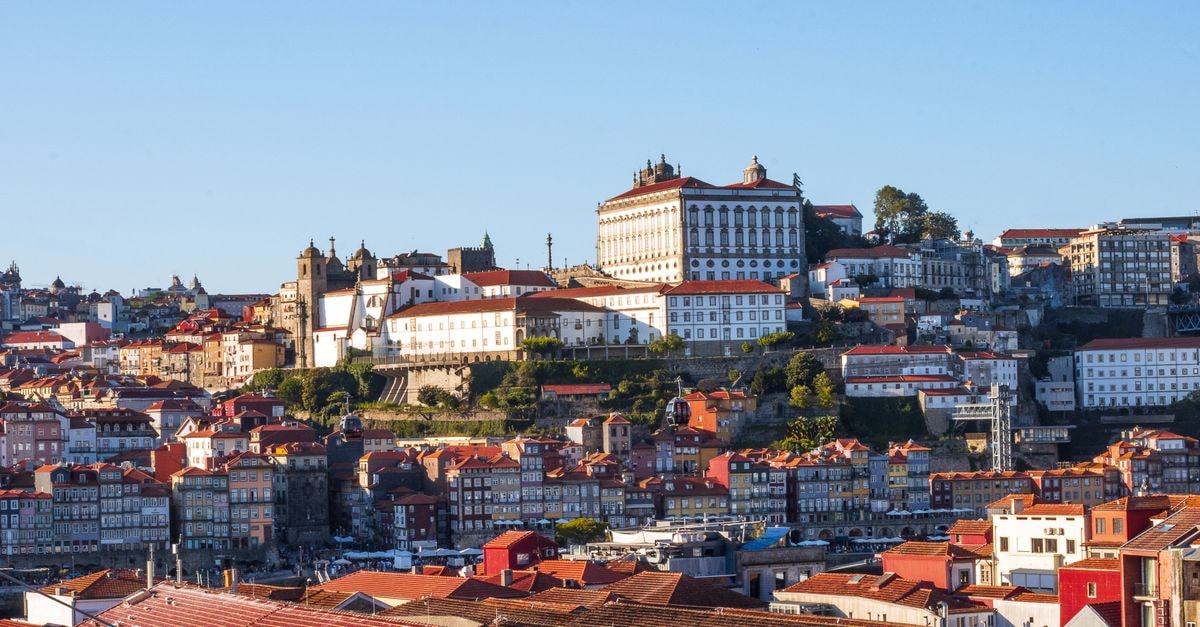
Porto is Portugal's second city, set on the Douro River estuary where the river meets the Atlantic. The UNESCO-listed historic centre clusters around the cathedral (Sé), the Ribeira waterfront, and the ornate São Bento railway station, with Vila Nova de Gaia's famous port-wine lodges directly across the Dom Luís I bridge. July puts Porto firmly in peak season: long warm days, lively riverfront evenings, and the busiest crowds of the year. That trade-off is worth understanding before you book.
July weather: warm, dry, and Atlantic-cooled
July is reliably warm in Porto, with daily highs typically in the mid-to-high 20s Celsius. Climate data puts the average temperature at around 21°C, with afternoon highs near 25–26°C and overnight lows around 17°C; humidity across the month ranges roughly 53–64%. Rain is rare — average July rainfall sits at about 26 mm (around 1 inch) — but the occasional cool, cloudy day arrives when an Atlantic low sweeps in. Sea temperatures off Matosinhos and Foz do Douro hover near 17°C, swimmable but brisk; August nudges the water slightly warmer, which is part of why locals consider early-to-mid July beaches more comfortable than the August crush.
Two practical notes: daylight is generous, with sunshine typically running 9–11 hours per day and light lasting close to 10 pm, so plan evening walks and outdoor dinners accordingly. UV is strong by 11 am, so sunscreen and a hat earn their place in your daypack.
Getting there and getting around
Aeroporto Francisco Sá Carneiro (OPO) sits close to the city centre, and Metro do Porto's Line E connects the airport to central Porto in roughly 30 minutes for about €2.50. The wider network includes the metro, buses, and trams, with the metro the most efficient option for reaching the Atlantic beaches at Matosinhos and Foz do Douro.
One note worth checking before you travel: a Metro do Porto extension to the airport reportedly opened in 2026, with service every six minutes. If confirmed for your dates, this shortens airport waits considerably — but verify current frequency, fare, and route with Metro do Porto directly before relying on it.
Within the centre, expect to walk a lot. Porto is famously hilly. The historic tram (notably Tram 1 along the riverside to Foz) is popular but slow and crowded in July; ride it once for the experience rather than as your primary transport.
What to do in Porto in July
The Ribeira is the postcard view: coloured houses, rabelo boats on the Douro, and the Dom Luís I bridge arching overhead. It is also Porto's most tourist-dense neighbourhood — restaurants along the quay typically charge 20–30% more than comparable places a street or two back. Cross the bridge on foot (both decks give panoramic views) and descend to Vila Nova de Gaia for port-lodge tastings. The lodges — Graham's, Taylor's, Sandeman, and Cockburn among them — run tastings throughout July, with slightly longer queues than shoulder months.
In the historic centre, start at the Sé (cathedral), which dates to the 12th century and is free to enter; the cloister charges around €3 and is worth the fee for its 18th-century azulejo panels. The Palácio da Bolsa's Arab Room is the highlight of a guided tour that costs around €14 and runs about 45 minutes. São Bento station is free to enter and shows off roughly 20,000 azulejo tiles depicting Portuguese history — go before 9 am or after 5 pm to avoid the worst of the crowds. Clérigos Tower, a ten-minute uphill walk from Ribeira, charges about €8 (entry includes the small church museum) for a 225-step climb and the best rooftop view in the city.
The Douro Valley is the classic day trip: terraced vineyards, river cruises, and quinta tastings roughly 1.5 hours from the city. Two to three days covers Porto comfortably; add a day for the Douro if your schedule allows.
July events and seasonal atmosphere
July's cultural calendar includes open-air concerts at the Serralves museum, events in Parque da Cidade, and various neighbourhood festivals. NOS Primavera Sound falls in June rather than July, but the Serralves summer programme is one of the more reliable highlights of the month. The São João festival (23–24 June) technically falls just before July, though its atmosphere bleeds into the first days of the month, and some traditional restaurants close briefly as owners recover — book ahead if you arrive in early July.
Tickets, queues, and what to book in advance
July is when advance planning pays off:
- **Livraria Lello**: queues of two to three hours form outside by around 10 am in July and August. Buy a timed-entry ticket online (typically redeemable against a book purchase) and the wait largely disappears. - **Clérigos Tower**: purchase a timed slot via the official entrance website; this skips the high-season queue. - **Palácio da Bolsa**: the €14 Arab Room tour is guided-only and fills up — book ahead in summer. - **Port lodges in Gaia**: walk-ins are usually possible, but for a specific lodge or a multi-cellar comparison tour, book a few days ahead. - **Accommodation**: July is the annual peak for stays in the historic centre, especially in Baixa and along the riverfront — book weeks ahead rather than days.
Where to stay in peak season
The Ribeira and Baixa put you within walking distance of most sights but command peak rates. Two patterns worth knowing: the Bonfim and Campanha neighbourhoods east of Bolhão are more local, noticeably better value in summer, and increasingly well-served by new bistros, breweries, and small inns. If you're willing to trade a short tram or metro ride for quieter evenings and lower prices, they're worth a look. Apartment rentals and small guesthouses often beat branded hotels on price in July.
Eating and drinking in Porto
Porto's food scene is one of its strongest draws, and July is the right time to lean into it. Four dishes anchor any visit:
- **Francesinha**: Porto's signature sandwich — bread layered with cured meats, sausage, and steak, blanketed with melted cheese and drenched in a hot tomato-and-beer sauce. It was invented in 1952 by Daniel da Silva, a returning emigrant who adapted the French croque-monsieur. Classic spots include Café Santiago, Brasão Aliados, Lado B Café, and Voltaria in Ribeira; Gazela, near São Bento station, serves the related local classic *cachorrinho* — pork sausage and cheese in a grilled roll — eaten since the 1960s. - **Tripas à Moda do Porto**: the white-bean and tripe stew that gave Porto its enduring nickname *tripeiros*, tied to Henry the Navigator's 1415 expedition to Ceuta, when residents gave up their best meat for the fleet and cooked what was left. Try it at O Buraco or O Paparico for a heavy Sunday-lunch experience. - **Bacalhau à Gomes de Sá**: salt cod layered with potatoes, onions, eggs, and olives, baked in olive oil — one of Porto's signature bacalhau preparations. Bolinhos de bacalhau (cod-and-potato croquettes) are the city's go-to petisco at cervejarias from Cervejaria do Carmo to Brasão. - **Sandes de pernil**: slow-roasted pork leg pulled into a soft roll, sometimes topped with melted Serra cheese — Porto's everyday working sandwich, eaten standing off Praça dos Poveiros.
In Foz do Douro and Matosinhos, fresh fish and shellfish dominate; Mercado do Bolhão, which reopened in 2022, is the place to see bolinhos de bacalhau being fried and Arouca cheeses brought down from the hills behind the city. Across the river, the port lodges in Gaia run tastings every hour — try a tawny and a white port with tonic.
Porto also hosts one of Iberia's stronger tasting-menu scenes, anchored by Antiqvvm (which received two Michelin stars in 2024), The Yeatman, Casa de Chá da Boa Nova, Euskalduna Studio, and Pedro Lemos. Reserve well in advance for July.
Costs and budgeting in July
July is the most expensive month for accommodation. As a rough sense of the wider price level: a sit-down dinner with a bottle of decent Douro wine typically runs €12–18 in Porto — meaningfully less than equivalent meals in Lisbon, Barcelona, or Rome, according to published guides. Individual dish prices vary: the tripas stew, francesinha, and bacalhau dishes tend to sit at accessible mid-market prices, while tasting-menu rooms charge considerably more. Hostel dorms in well-reviewed places start around €25–35 per night, with private hostel rooms near €50. Entry fees are modest: Sé cloister €3, Palácio da Bolsa tour €14, Clérigos Tower €8. These figures are reference points; verify current prices on official sites before you travel.
Practical notes and disclaimer
Currency is the euro (€); exchange rates fluctuate, so check the live rate before exchanging money. Power sockets are Type F. Useful Portuguese phrases include *Olá* (hello), *Obrigado/a* (thank you), and *Quanto?* (how much?). English is widely spoken.
A few things to watch in July: humidity keeps clothes feeling damp after a day out, so pack quick-dry fabrics and air things indoors. Tram 1 to Foz is enjoyable but unreliable at peak hour — use the metro for beach runs. And remember that some traditional restaurants close in the first week or so of July as owners recover from São João; book ahead if your visit overlaps that window.
Factual conditions — opening hours, ticket prices, transport schedules, festival line-ups, and exchange rates — change regularly. Before travelling, confirm details with official sources such as Visit Porto, Metro do Porto, the individual attraction websites, and your accommodation provider.
Share this article